Exploring the Future of Trump Accounts: A New Investment Opportunity
The IRS's Frank Bisignano envisions Trump Accounts as a pathway for families to secure their children’s financial futures. This article delves into the implications of these tax-deferred investment accounts and what they mean for American families.
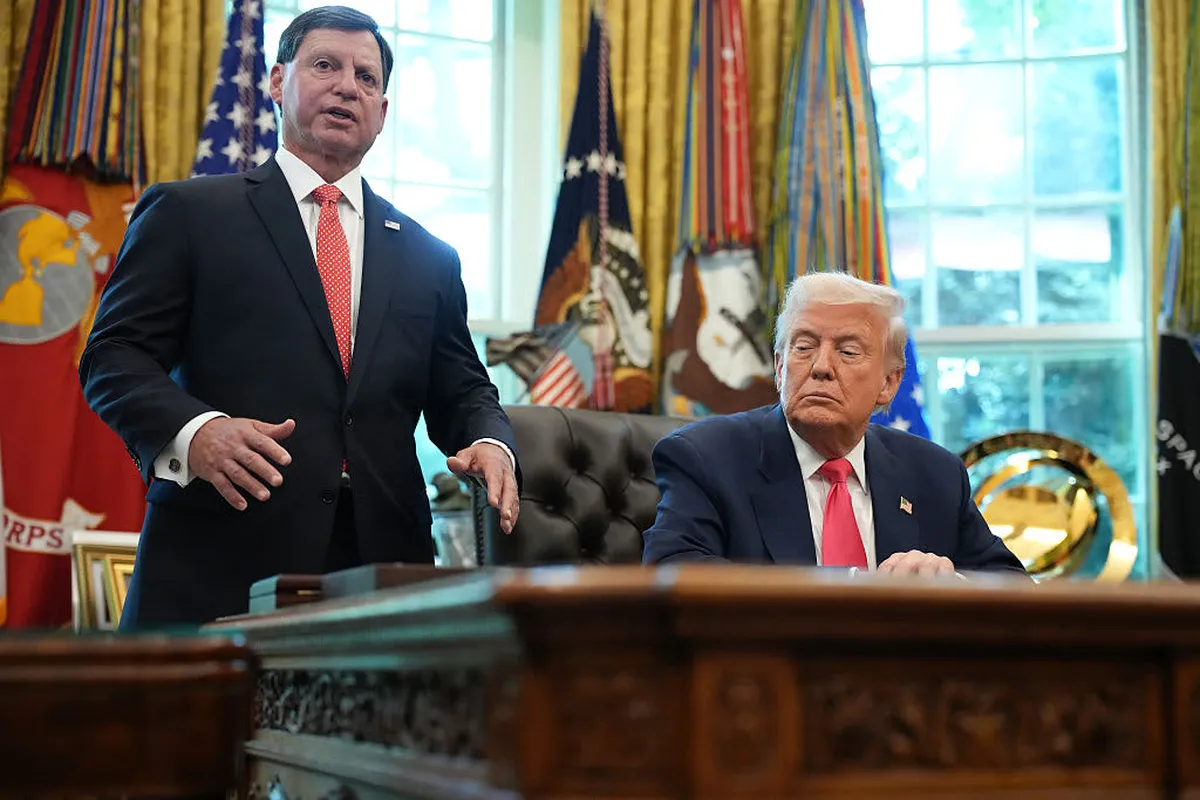
In a bold initiative that could reshape the financial landscape for American families, Frank Bisignano, the IRS chief, recently expressed his vision for a program known as 'Trump Accounts.' These tax-deferred investment accounts aim to provide children under 18 with a financial safety net and significant growth potential, and Bisignano believes that every family in the United States should eventually enroll their children in this program. With an ambitious target of enrolling 70 million children, the initiative is already gaining traction, with approximately 6.5 million accounts opened thus far.
During a recent appearance on CNBC's 'Squawk Box,' Bisignano detailed how the Trump Accounts will operate and the potential benefits they offer. This innovative approach is not just about providing a financial account; it's about creating a movement toward financial literacy and wealth accumulation for the next generation. As the program progresses, it's essential for families to understand what Trump Accounts entail, how to enroll, and the benefits they could reap over time.
What Are Trump Accounts?
Trump Accounts are tax-deferred investment accounts designed specifically for children under the age of 18. The concept is to provide a financial vehicle that allows families to save and invest for their children's future in a way that benefits from tax advantages. Here’s how it works:
- Tax-Deferred Growth: Investments within the account grow without being taxed until funds are withdrawn.
- Federal Seed Money: Families can receive an initial deposit of $1,000 for every child born between 2025 and 2028.
- Matching Contributions: Employers may also offer matching funds, further incentivizing savings.
- Philanthropic Grants: Contributions from philanthropists, like the Dells, could enhance the program.

The Enrollment Process
Bisignano emphasized that the enrollment process for Trump Accounts would be streamlined and accessible. The aim is to make it easy for families to open accounts without excessive bureaucratic hurdles. The IRS plans to collaborate with financial institutions and tax-preparation companies to facilitate this process.
In fact, discussions have already taken place with CEOs from major tax-preparation firms about their role in distributing these accounts. Additionally, Bisignano hinted at the possibility of automatic enrollment for eligible children, a move that could significantly increase participation rates. This automatic enrollment could be linked to Social Security registrations, simplifying the process further.
Financial Incentives to Encourage Participation
One of the most attractive aspects of Trump Accounts is the financial incentives designed to encourage enrollment. The $1,000 federal seed money is a critical starting point for families. This upfront contribution could serve as a powerful motivator for parents to sign up their children.
Moreover, the potential for matching funds from employers adds another layer of appeal. If an employer contributes an additional amount to each account, it could substantially increase the savings available for each child. Philanthropic contributions, particularly from influential figures like Michael and Susan Dell, are also expected to bolster the funds available in these accounts, making it even more attractive for families.

The Broader Impact on Financial Literacy
Beyond the immediate financial incentives, Trump Accounts could play a crucial role in enhancing financial literacy among young Americans. As children learn about managing their investments and saving for the future, they are likely to develop healthier financial habits.
This initiative aligns with broader efforts to improve financial education in the U.S., where many young people lack essential knowledge about personal finance, investing, and saving. By introducing children to these concepts early, Trump Accounts could contribute to cultivating a generation that is more financially savvy and responsible.
Challenges and Considerations
While the vision for Trump Accounts is ambitious and filled with potential, several challenges remain. For one, achieving the goal of enrolling 70 million children is no small feat. This requires not only effective outreach and education but also a robust infrastructure to support account management and growth.
Additionally, there are concerns about how these accounts will be perceived and utilized. Families may have differing levels of comfort with investing and financial management, which could lead to disparities in account usage and growth. Furthermore, regulatory hurdles and the need for adequate consumer protections must be addressed to ensure the program's integrity.

Key Takeaways
- Trump Accounts aim to provide tax-deferred investment accounts for children.
- The initiative seeks to enroll 70 million children, with 6.5 million already registered.
- Incentives include federal seed money, employer matching contributions, and grants from philanthropists.
- Efforts to enhance financial literacy among youth are central to the program’s goals.
- Challenges like enrollment rates and regulatory issues will need to be addressed.
Frequently Asked QuestionsWhat is the purpose of Trump Accounts?
Trump Accounts are designed to provide children with a tax-deferred investment vehicle that promotes saving and investing from an early age. The goal is to help families secure their children's financial futures while encouraging financial literacy and responsibility.
How can families enroll in a Trump Account?
Families can enroll in Trump Accounts through participating tax-preparation companies or financial institutions. The IRS aims to streamline this process to make it as simple and accessible as possible. In the future, there may also be options for automatic enrollment based on existing government registration systems.
What incentives are available for Trump Accounts?
Incentives for enrolling in Trump Accounts include a $1,000 federal seed money contribution for children born between 2025 and 2028, potential matching contributions from employers, and additional grants from philanthropic organizations. These incentives are designed to encourage participation and enhance the accounts' growth potential.
What are the potential challenges of the Trump Accounts program?
Some challenges include achieving widespread enrollment, ensuring equitable access and awareness across different communities, and addressing regulatory and consumer protection issues. Successfully tackling these challenges will be critical to the program’s overall success and impact.
*This content is educational, not financial advice.*
Comments
Understanding Gen Z's Financial Anxiety: Causes and Solutions
Gen Z faces unique financial pressures that amplify anxiety about money. This article explores the roots of this anxiety and offers practical strategies for achieving financial stability.

Related articles



Popular in Personal Loans
- Hardee's Franchisee Files for Chapter 11 Amid Financial Turmoil
- The Hidden Costs of SUVs: Understanding the 'SUV Tax' and Its Impact on Your Wealth
- Spectrum's Workforce Changes Amid Customer Losses: What It Means for You
- How Immigration Policy Changes are Impacting Care Worker Shortages and Family Costs
- Unlocking Wealth: The Potential of Trump Accounts for American Families