Is Your Home Ready for Retirement? Assessing Your Aging in Place Needs
As you approach retirement, evaluating whether your current home can support aging in place is crucial. This article explores common home hazards and necessary modifications for a safe and comfortable living environment.
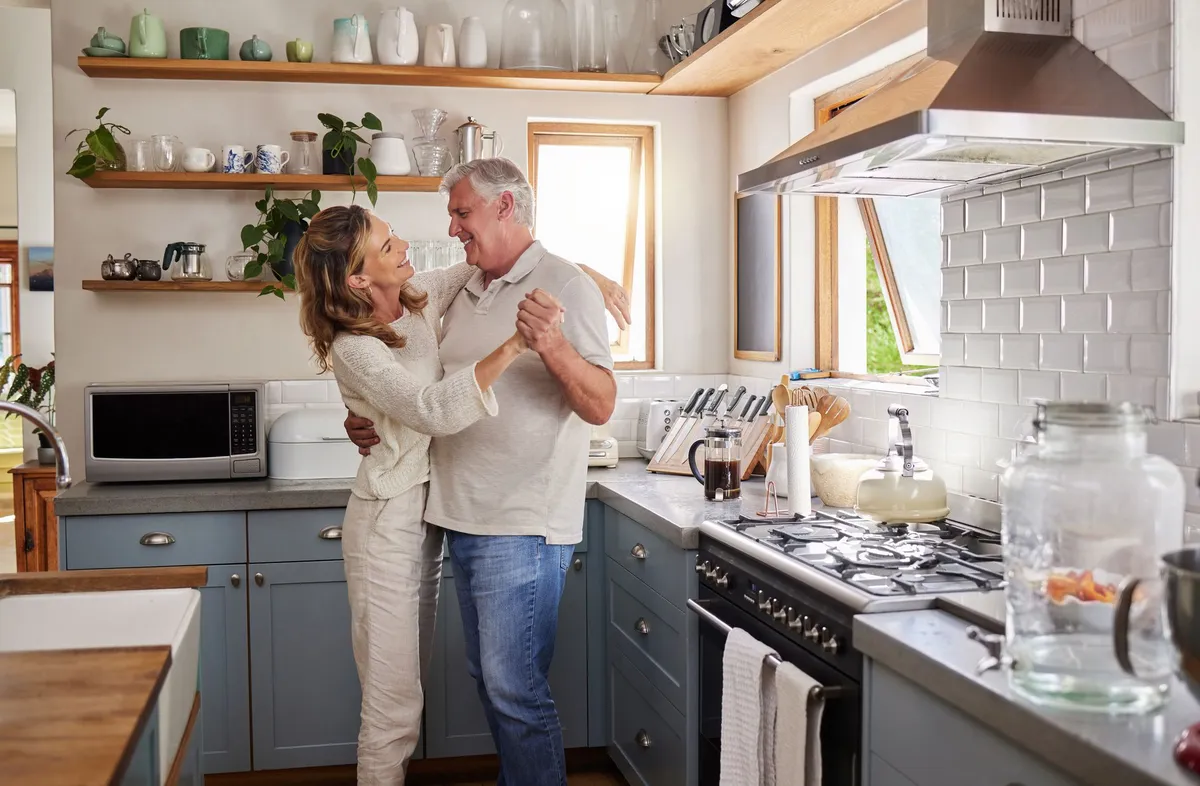
For many Americans, the phrase "home is where the heart is" holds profound meaning, especially as they transition into retirement. However, while the emotional ties to a home can be strong, the physical suitability of that space often needs serious consideration. As we age, our homes can become fraught with challenges that may hinder our mobility, safety, and overall quality of life. From steep stairs to narrow hallways, minor design flaws can evolve into significant obstacles. In this article, we will explore the elements that contribute to a home’s ability to support aging in place, providing insights on necessary modifications, potential costs, and essential safety features.
Why Aging in Place Matters
Aging in place refers to the ability to live safely and comfortably in one's own home as one ages. This concept is increasingly important as the population of older adults in the United States continues to grow. According to the U.S. Census Bureau, by 2030, all baby boomers will be over the age of 65, and it is projected that there will be about 78 million older adults. Many wish to remain in their familiar surroundings rather than move to assisted living facilities or retirement communities, which can be both costly and emotionally taxing.
The Emotional Benefits
Staying in your own home can provide a sense of stability and security, allowing you to maintain established social connections and routines. Familiar environments can significantly impact mental health, reducing anxiety and promoting a sense of belonging, which is why assessing your home for aging in place suitability is so critical.
Financial Considerations
From a financial perspective, modifications to age in place can range significantly in cost. Simple adaptations might only require a few hundred dollars, while a complete remodel could run into the tens of thousands. Understanding these costs upfront can help you make informed decisions about whether to stay put or consider moving.

Common Home Hazards for Seniors
When evaluating whether your current home can support your aging in place plans, consider the following common hazards:
- Steep stairs: Navigating stairs can become increasingly difficult and dangerous, especially if you suffer from mobility issues.
- Narrow hallways: If you use a walker or wheelchair, narrow passageways can be limiting and hazardous.
- Bathroom features: Traditional tubs and showers can be slippery and hard to access, leading to falls.
- Lighting: Poorly lit areas can increase the risk of accidents.
- Flooring: Uneven surfaces or slippery floors pose tripping hazards.
Identifying these hazards is the first step in determining how well your home can accommodate your needs as you age.
Essential Modifications for Aging in Place
If you find that your home presents several challenges, there are modifications that can be made to enhance safety and comfort:
1. First-Floor Living
If possible, ensure that your essential living spaces—bedroom, bathroom, and kitchen—are located on the first floor. This minimizes the need for stairs and allows for easier access.
2. Bathroom Modifications
Consider installing roll-in showers with grab bars, non-slip flooring, and raised toilet seats for easier access. These small changes can significantly reduce the risk of falls.
3. Wider Hallways and Doorways
Widening hallways and doorways can accommodate walkers and wheelchairs, making navigation through your home much safer.
4. Improved Lighting
Install brighter lighting and consider using motion-sensor lights in key areas such as hallways, staircases, and entryways to improve visibility.
5. Non-Slip Flooring
Replacing slippery flooring with non-slip surfaces can help prevent falls, especially in high-risk areas like the kitchen and bathroom.

Evaluating Your Home: A Quick Checklist
To help you assess whether your home is ready for aging in place, consider the following checklist:
- Are your essential living spaces on the first floor?
- Do you have grab bars in the bathroom?
- Is your lighting sufficient throughout the home?
- Are hallways and doorways wide enough for mobility aids?
- Is your flooring safe and slip-resistant?
Completing this checklist can provide a clearer picture of what modifications are necessary to ensure a safe living environment.

Cost Considerations for Modifications
The financial aspect of making your home suitable for aging in place can vary widely:
- **Minor modifications** (like grab bars or non-slip mats) can cost a few hundred dollars.
- **Moderate adjustments** (such as installing a walk-in shower) can range from $1,000 to $5,000.
- **Major renovations** (like widening doorways or moving bathrooms) can exceed $10,000.
It's essential to budget for these changes and explore potential financing options, such as home equity loans or government grants aimed at supporting elderly homeowners.
Key Takeaways
- Assess your home for potential hazards that may impact your safety as you age.
- Consider essential modifications like first-floor living and bathroom upgrades.
- Understand the potential costs involved and budget accordingly.
- Use a comprehensive checklist to evaluate your home's readiness for aging in place.
Frequently Asked Questions
What is aging in place?
Aging in place refers to the ability to live independently and safely in your own home as you age. It encompasses making necessary modifications to your living environment to ensure it remains safe and accessible.
How can I afford home modifications?
Financing home modifications can be achieved through various methods. You may consider taking out a home equity loan, utilizing savings, or researching government grants or programs that assist seniors in funding home renovations to improve accessibility and safety.
What are some low-cost modifications I can make?
Low-cost modifications can include adding grab bars in bathrooms, using non-slip mats, improving lighting with brighter bulbs, and decluttering spaces to ensure easy navigation. These small changes can significantly enhance safety without breaking the bank.
Is it better to stay in my home or move to a retirement community?
The decision to stay in your current home or move to a retirement community depends on several factors, including your health, social connections, and financial situation. Consider the benefits of staying in a familiar environment against the potential advantages of community support, amenities, and reduced maintenance responsibilities that a retirement community may offer.
Disclaimer: This content is educational and not financial advice.
Comments
Understanding Gen Z's Financial Anxiety: Causes and Solutions
Gen Z faces unique financial pressures that amplify anxiety about money. This article explores the roots of this anxiety and offers practical strategies for achieving financial stability.

Related articles



Popular in Personal Loans
- Hardee's Franchisee Files for Chapter 11 Amid Financial Turmoil
- The Hidden Costs of SUVs: Understanding the 'SUV Tax' and Its Impact on Your Wealth
- Spectrum's Workforce Changes Amid Customer Losses: What It Means for You
- How Immigration Policy Changes are Impacting Care Worker Shortages and Family Costs
- Unlocking Wealth: The Potential of Trump Accounts for American Families