Amazon's Facility Closures: Impact on Workers and the Logistics Landscape
Amazon's recent decision to close two Florida facilities will affect over 1,100 workers, revealing the company's evolving logistics strategy. This article explores the implications of these closures on employees and the broader fulfillment network.
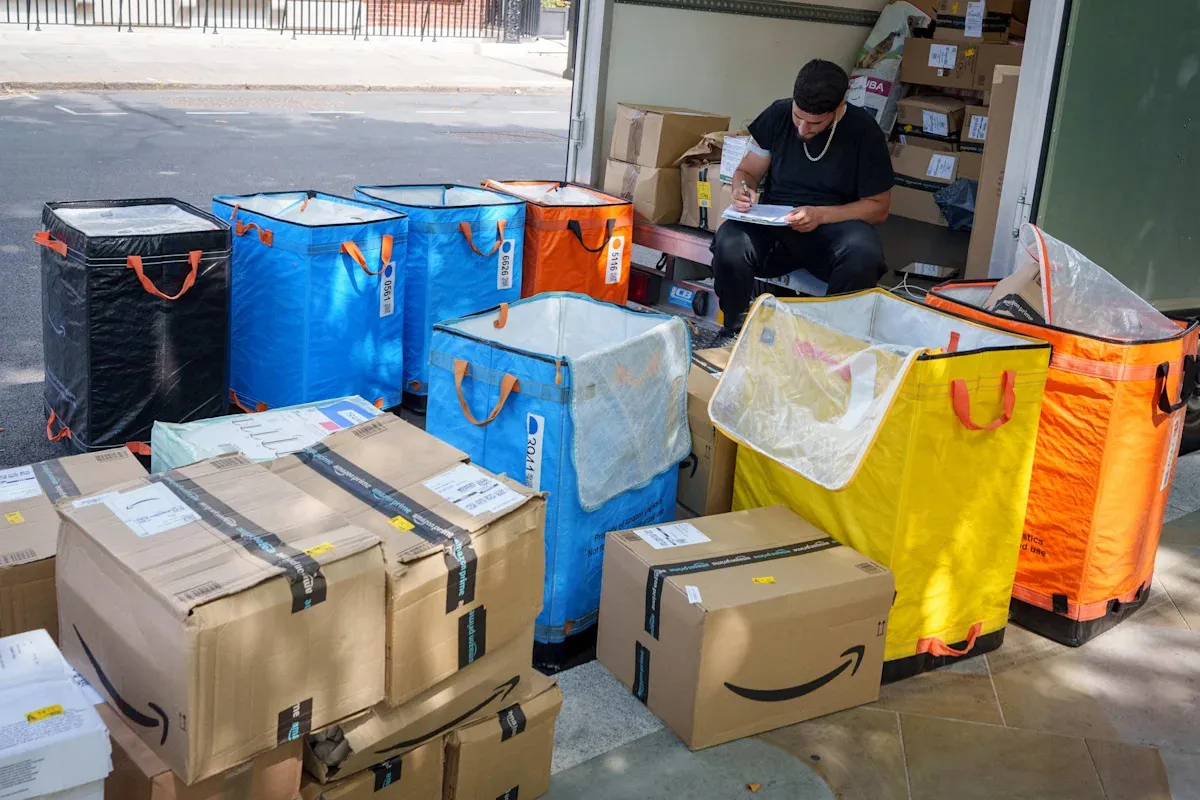
In a significant shift within its operational framework, Amazon has announced the closure of its PBI3 facility located in Port St. Lucie, Florida, impacting nearly 500 employees. This decision, communicated through a Worker Adjustment and Retraining Notification (WARN) notice, underscores how even a titan of e-commerce is not immune to the need for strategic adjustments in a fast-evolving market. The closure, slated for September 17, 2026, follows a similar shutdown of the TMB8 facility in Homestead, Florida, which affected over 600 workers. Together, these closures reflect Amazon's ongoing reevaluation of its logistics network, even as the company continues to experience growth in order volume and delivery efficiency.
The implications of these job losses extend beyond the immediate effects on those laid off. As Amazon expands its logistics capabilities to meet the demands of an increasingly competitive marketplace, it raises questions about job security within the tech and retail industries. The closure of these facilities also sheds light on Amazon's broader strategy of modernization and efficiency improvements, which may ultimately reshape the fulfillment landscape across the United States.
Amazon's Strategic Shift: Understanding the Facility Closures
On July 19, 2026, Amazon revealed in its WARN notice that it would be terminating operations at the Port St. Lucie facility, affecting approximately 494 workers. This follows the April announcement of a similar shutdown in Homestead, Florida, which impacted about 616 employees, leading to total job losses exceeding 1,100 in the state alone. The affected workers primarily held positions as fulfillment-center associates, but also included managers and other support roles.
While the closures are classified as permanent, Amazon has provided a lifeline of sorts to impacted employees. Workers who secure internal transfers before their termination dates will not face layoffs. This provision offers a glimmer of hope for those affected, as Amazon actively encourages its workforce to find alternative roles within the company. However, for many employees, the challenge remains: securing a transfer in time to avoid separation.
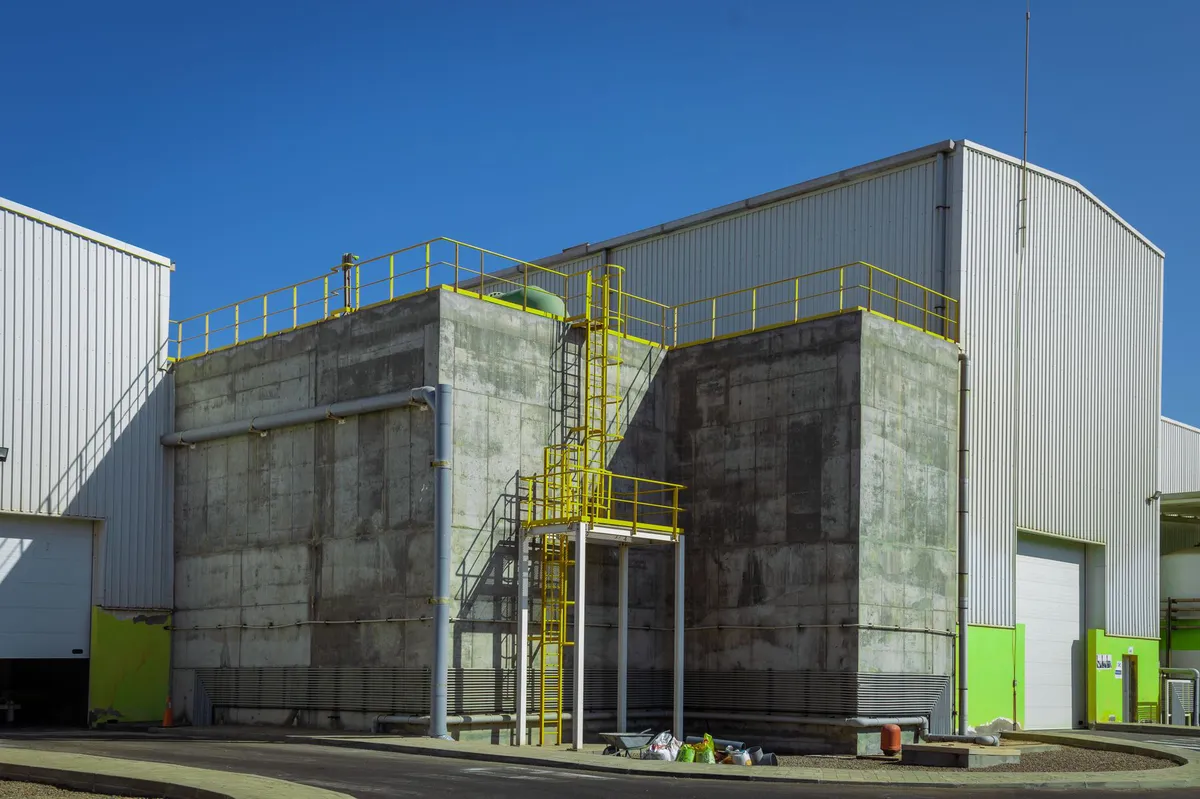
The Future of Amazon's Logistics Network
Amazon's decision to close the two facilities is part of a broader strategy aimed at modernizing its logistics network, a move that is as ambitious as it is necessary. The company has invested heavily in streamlining its fulfillment processes, reducing delivery times, and enhancing customer experience. In the first half of 2026 alone, Amazon achieved the milestone of delivering over 1 billion products via same-day or overnight service.
Key Reasons Behind the Closures
- Modernization Initiatives: The Port St. Lucie facility is expected to undergo significant renovations, costing approximately $200 million, aimed at upgrading operations and improving efficiency.
- Network Optimization: Amazon's strategy involves reevaluating which facilities are most effective in its vast network, with a focus on keeping inventory closer to customers.
- Increased Competition: As competitors like Walmart and Target ramp up their logistics capabilities, Amazon must adapt to maintain its competitive edge.
The closures are not merely downsizing moves; they are indicative of Amazon's commitment to evolving its operational capabilities. The Homestead facility, for example, is expected to reopen in late 2028 with a projected workforce of around 1,000 employees, signaling a potential rebound for the job market in that area.

Impact on Affected Workers
For the nearly 1,110 employees affected by these closures, the immediate future may be uncertain. Amazon's WARN notice states that separations will occur on specific dates, with the first round of layoffs set for September 17, 2026. While Amazon has committed to providing information about benefits and severance for those who will lose their jobs, the reality of facing unemployment can be daunting.
Workers who choose not to transfer or cannot find alternative roles within deadlines may find themselves navigating a challenging job market. The logistics sector, while robust, can be competitive, and those affected may need to consider upskilling or seeking employment in adjacent industries.

Examining Amazon's Broader Employment Trends
The recent facility closures are part of a larger trend within Amazon, which has seen waves of layoffs across various corporate departments. Earlier in January 2026, Amazon announced that it would be cutting approximately 16,000 corporate roles to streamline operations and reduce bureaucratic layers. This followed another round of layoffs affecting 14,000 positions announced in October 2025. These job cuts demonstrate Amazon's efforts to reorganize and drive efficiency in a company that has experienced rapid growth.
The layoffs, while difficult for those directly impacted, are also part of a strategic realignment that seeks to position Amazon for future success amidst evolving consumer preferences and economic pressures. As the company pivots towards enhancing its logistics capabilities, it remains crucial for employees to stay informed about potential opportunities within the organization.
Key Takeaways
- The closure of Amazon's Port St. Lucie facility will affect nearly 500 workers, highlighting ongoing adjustments within the company's logistics network.
- Amazon encourages affected employees to seek internal transfers to avoid layoffs, but many face uncertainty in the job market.
- Both the Port St. Lucie and Homestead facilities are set for major renovations, with plans to reopen in the coming years.
- The company is strategically refocusing its operations, which has included corporate layoffs totaling over 30,000 roles in recent months.
- Amazon's logistical improvements are essential for maintaining competitiveness, particularly in response to challenges from other retail giants.
Frequently Asked Questions
What is the reason for the closures of the Amazon facilities in Florida?
The closures are part of Amazon's strategy to modernize its logistics network, which involves significant upgrades and renovations to enhance operational efficiency. While the layoffs are classified as permanent, the facilities are expected to reopen after extensive renovations, which may lead to new job opportunities in the future.
What options do affected employees have?
Affected employees are encouraged to secure internal transfers within Amazon to avoid layoffs. The company has stated that those who successfully transfer before their scheduled termination dates will not be laid off. Additionally, workers can explore severance packages and benefits information provided by Amazon.
How will Amazon's strategy affect future employment in the logistics sector?
As Amazon continues to optimize its logistics network, the focus on efficiency may lead to job creation in the long term, particularly as upgraded facilities reopen. However, the transition period may pose challenges for workers during the renovation phases, highlighting the importance of adaptability and upskilling in an evolving job market.
What are the implications of Amazon's corporate layoffs?
The recent corporate layoffs at Amazon reflect a broader trend in the company to streamline operations and reduce bureaucratic layers. While these cuts can be distressing for employees, they are part of a strategic realignment intended to position Amazon for sustainable growth amid changing market dynamics.
Disclaimer: This content is educational and not financial advice.
Comments
Navigating Financial Challenges with AI: Can Chatbots Replace Human Advisors?
As AI technology increasingly enters the personal finance space, we explore its effectiveness in handling common financial challenges compared to human financial planners. Our findings reveal both strengths and limitations of AI in providing financial guidance.

Related articles

Popular in Personal Loans
- Hardee's Franchisee Files for Chapter 11 Amid Financial Turmoil
- The Hidden Costs of SUVs: Understanding the 'SUV Tax' and Its Impact on Your Wealth
- Spectrum's Workforce Changes Amid Customer Losses: What It Means for You
- How Immigration Policy Changes are Impacting Care Worker Shortages and Family Costs
- Unlocking Wealth: The Potential of Trump Accounts for American Families