The New Era of Corporate Retreats: Focusing on Impact Over Extravagance
As companies face tighter budgets, the focus of corporate gatherings is shifting from lavish spending to meaningful connections. This article explores the new strategies leaders can adopt to create impactful events that foster genuine engagement among employees.

In an era where corporate budgets are tightening and economic uncertainty looms, the way organizations approach their gatherings is undergoing a significant transformation. For years, corporate retreats were synonymous with luxury—grand venues, extravagant meals, and high-profile speakers. However, as financial pressures mount, company leaders are beginning to realize that the true value of these events lies not in their opulence but in the genuine connections they foster among employees. The new mantra for corporate retreats? Prioritize impact over extravagance.
This shift is not just a response to economic challenges; it is a fundamental reevaluation of what employees truly value in corporate gatherings. The focus is increasingly on creating authentic experiences that encourage collaboration, innovation, and meaningful engagement. In this article, we will explore the changing landscape of corporate events, the strategies leaders can employ to enhance impact, and the long-term benefits of fostering genuine connections within their teams.
The Changing Dynamics of Corporate Gatherings
As noted in the latest Global Meetings & Events Forecast by American Express, rising costs have become a significant concern for nearly 40 percent of meeting planners. This has prompted companies to rethink how they deliver memorable experiences without the lavish spending that previously defined corporate retreats. The result is a notable shift in mindset: organizations are seeking creative ways to enhance experiences through thoughtful programming and intentional engagement.
Embracing Creativity Amid Constraints
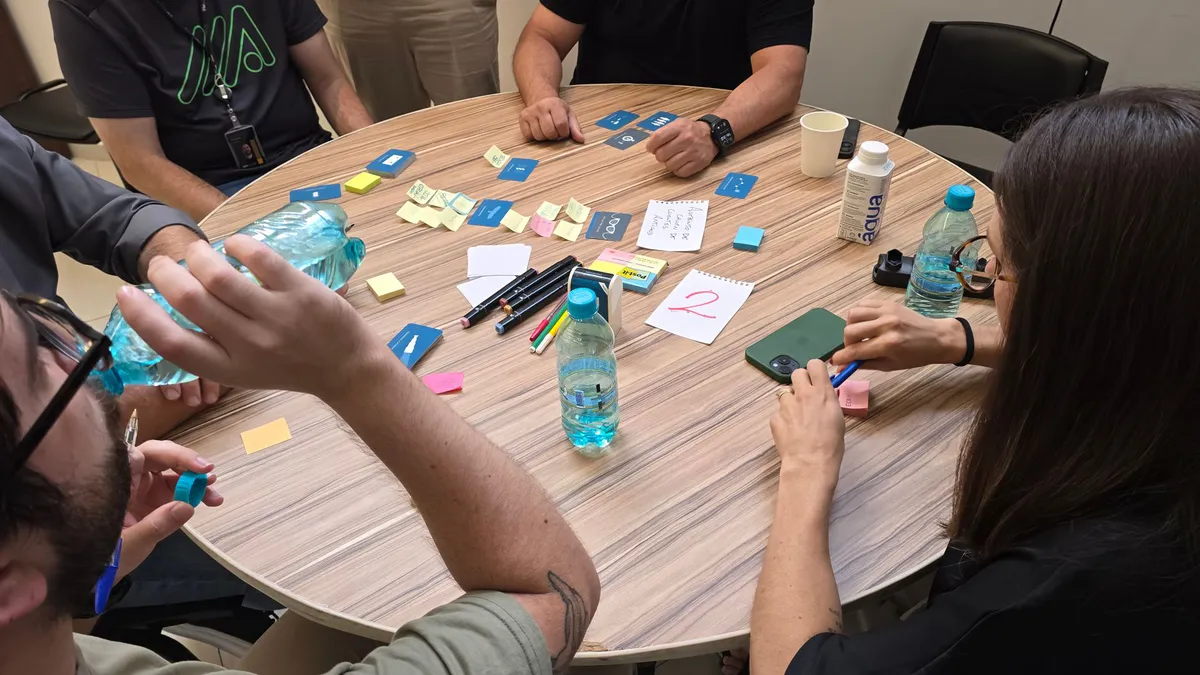
Rather than simply downgrading venues or pushing events online, companies are discovering that constraints can spark innovation. By replacing expensive spectacles with more personalized experiences, businesses can create environments that encourage collaboration and genuine connection. Examples of this shift include:
- Smaller breakout sessions: These intimate settings facilitate genuine collaboration and idea sharing among team members.
- Local cultural tie-ins: Incorporating the local culture creates a sense of place and fosters a deeper connection among attendees.
- Wellness-focused activities: Addressing employee burnout through activities like yoga or mindfulness enhances the overall experience.
- Interactive storytelling formats: These formats engage employees, making them active participants rather than passive listeners.
The most effective corporate retreats are now built around creativity, intentionality, and emotional resonance, proving that the return on investment is often stronger without the excess.
Defining the Core Mission of Corporate Events
Despite the changing dynamics, the core mission of corporate gatherings remains the same: to strengthen relationships, reinforce company culture, and provide employees with a sense of belonging within the organization. The most successful meetings convey five enduring messages:
- Trust: Establishing an environment where employees feel safe to share their thoughts and ideas.
- Appreciation: Recognizing and valuing employee contributions fosters loyalty.
- Care: Demonstrating a genuine interest in employees' well-being.
- Shared purpose: Aligning team goals with corporate values creates a unifying force.
- Recognition: Celebrating achievements reinforces a sense of accomplishment and belonging.
While attendees may forget specific agendas or speakers, they will remember whether they felt valued, included, and connected to something meaningful within the organization.
Building Connections Through Engagement
To create impactful gatherings, organizations must prioritize engagement before and during the event. One effective strategy is conducting pre-meeting surveys. While post-event surveys provide valuable feedback, they often serve as autopsies of what has already occurred. Conversely, pre-event surveys gauge expectations and desires, allowing organizers to tailor programming to meet attendees' needs.
The Importance of a Compelling Storyline
Insights gathered from pre-meeting surveys can help shape a compelling storyline for the event, transforming a series of sessions and activities into a cohesive experience. A strong narrative creates anticipation, gives attendees direction, and enhances engagement throughout the gathering. However, for a storyline to resonate, it must be authentic and empathetic, requiring leaders to focus less on their messages and more on employees' needs and expectations.

Post-Event Engagement: The Key to Long-Term Impact
While the experience during the meeting is crucial, the true measure of success lies in the follow-up. Organizations that create lasting impact continue the conversation long after attendees depart. Ongoing communication and community-building efforts turn a successful event into meaningful long-term change. This connection is particularly important in a time when employee engagement is at historic lows, and retention remains a high-stakes challenge.
Creating a Culture of Connection
Companies that effectively navigate this shift are not simply mourning the loss of big budgets; they are recognizing that the essence of impactful gatherings has always been about connection. Employees do not need extravagant venues or lavish amenities to feel valued; they need to feel seen, heard, and part of something larger than their daily tasks. As organizations move toward this new era of corporate retreats, they must embrace the idea that meaningful engagement can occur in any setting—whether in a boardroom, a repurposed warehouse, or even virtually.

Key Takeaways
- Corporate retreats are shifting focus from extravagance to meaningful connections.
- Effective gatherings prioritize creativity and emotional resonance over lavish spending.
- Pre-meeting surveys help tailor programming to attendees' needs and expectations.
- Ongoing communication post-event is crucial for maintaining engagement and fostering long-term impact.
- Employees value feeling seen and heard more than lavish amenities.
Frequently Asked Questions
What is the primary goal of a corporate retreat?
The primary goal of a corporate retreat is to strengthen relationships among employees, reinforce company culture, and create a sense of belonging within the organization. By fostering genuine connections, companies can enhance team collaboration and improve overall employee engagement.
How can companies create impactful events on a budget?
Companies can create impactful events on a budget by focusing on personalized experiences rather than extravagant spending. Strategies include smaller breakout sessions that promote collaboration, incorporating local culture, and offering wellness-focused activities. Additionally, leveraging pre-event surveys can help tailor programming to meet attendees' expectations.
Why is post-event engagement important?
Post-event engagement is vital because it helps maintain the momentum generated during the corporate retreat. Ongoing communication and community-building efforts ensure that the connections formed during the event continue to flourish, ultimately leading to long-term impact and improved employee retention.
What role does storytelling play in corporate retreats?
Storytelling plays a crucial role in corporate retreats by creating a compelling narrative that connects various sessions and activities. A strong storyline engages attendees, provides a sense of direction, and enhances their overall experience. For the narrative to resonate, it must be authentic and empathetic, reflecting the needs and expectations of the audience.
This article is educational and not financial advice.
Comments
Navigating Financial Challenges with AI: Can Chatbots Replace Human Advisors?
As AI technology increasingly enters the personal finance space, we explore its effectiveness in handling common financial challenges compared to human financial planners. Our findings reveal both strengths and limitations of AI in providing financial guidance.

Related articles

Popular in Personal Loans
- Hardee's Franchisee Files for Chapter 11 Amid Financial Turmoil
- The Hidden Costs of SUVs: Understanding the 'SUV Tax' and Its Impact on Your Wealth
- Spectrum's Workforce Changes Amid Customer Losses: What It Means for You
- How Immigration Policy Changes are Impacting Care Worker Shortages and Family Costs
- Unlocking Wealth: The Potential of Trump Accounts for American Families