Why the Predicted Oil Spike Never Materialized: A Deep Dive
Despite fears of skyrocketing oil prices following geopolitical tensions, the predicted surge never materialized. This article explores the reasons behind this unexpected stability and its implications for American consumers.
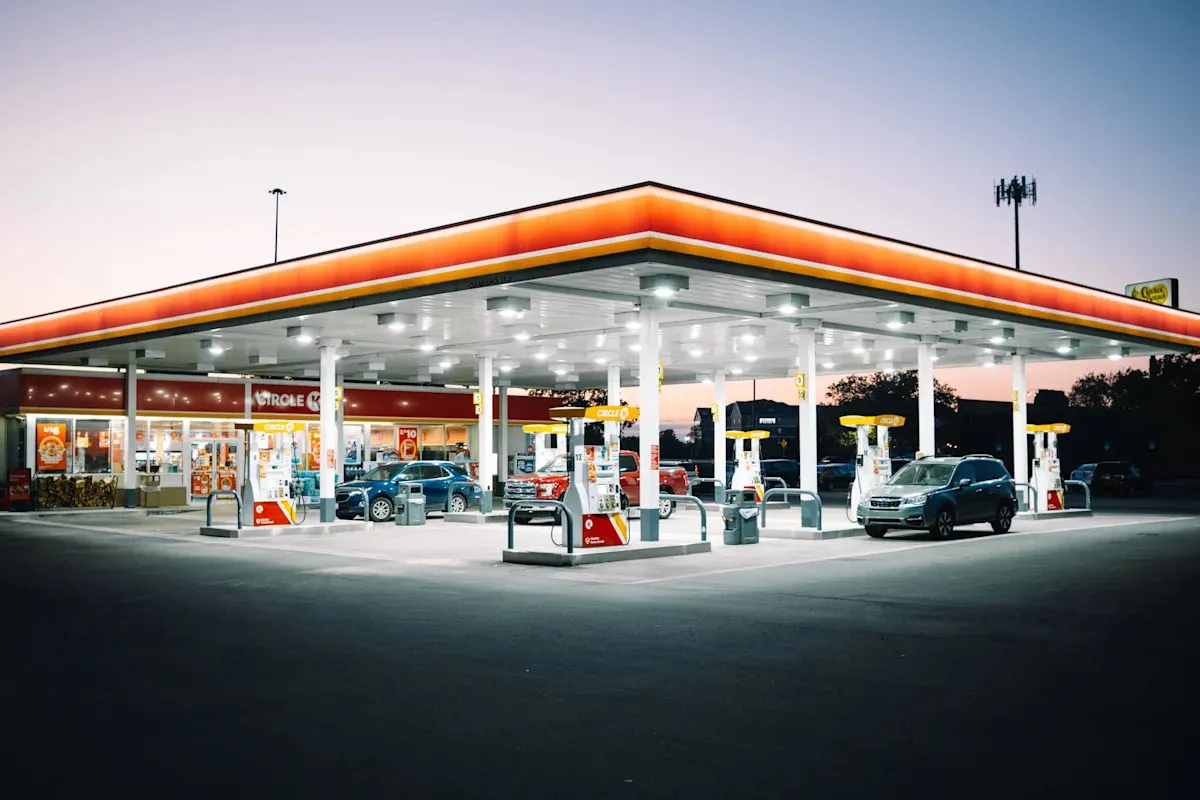
In early 2026, the world braced for a significant oil price spike as geopolitical tensions escalated in the Middle East. Following airstrikes by the United States and Israel on Iran, the Strait of Hormuz—a critical waterway for global oil transport—was closed, leading many to forecast crude prices soaring to unprecedented heights. Analysts predicted prices could reach as high as $150 or even $200 per barrel, a scenario that would have had dire consequences for consumers at the gas pump. However, as of mid-July 2026, oil prices have remained surprisingly stable, leading to questions about the accuracy of these forecasts and their implications for everyday Americans.
The Initial Fears: A Perfect Storm?
When the conflict began on February 28, 2026, and Iran responded by shutting down the Strait of Hormuz, traders and consumers alike were quick to react. The Strait is vital, carrying approximately 20% of the world's oil and refined products. With about 100 to 130 ships navigating this narrow channel daily before the conflict, the abrupt halt was expected to create a significant supply shock. In typical economic theory, such shocks lead to skyrocketing prices; however, the reality turned out to be more nuanced.
Understanding Supply Shocks
A supply shock occurs when there is a sudden decrease in the supply of a product, leading to increased prices. The expectation was that with the Strait closed, oil prices would not only rise but remain elevated indefinitely. However, contrary to these expectations, prices peaked around $126 per barrel, well below the earlier forecasts. This discrepancy raises critical questions about the market dynamics at play.

What Happened to Oil Prices?
Despite the dire predictions, several factors contributed to the stabilization of oil prices:
- China's Reduced Demand: As the world's largest oil importer, China's decision to cut crude purchases to their lowest levels in nearly a decade had a significant impact on global oil prices. By June, China's reduced demand helped to alleviate some of the price pressure.
- Increased U.S. Production: The United States ramped up domestic oil production, reaching a record of 13.93 million barrels per day in April 2026. This surge helped to offset the loss of supply from the Middle East.
- Strategic Petroleum Reserve Releases: The U.S. government coordinated a release of 400 million barrels from the Strategic Petroleum Reserve (SPR), further cushioning the impact of the supply disruption.
- Saudi Arabia's Adaptability: Saudi Arabia quickly redirected its oil exports through the Red Sea, compensating for the lost shipments from Hormuz.
- Market Sentiment: Traders became less reactive to headlines, establishing a calmer market environment. Funds were hesitant to make large bullish positions, leading to a more stable trading atmosphere.
The Impact on Consumers
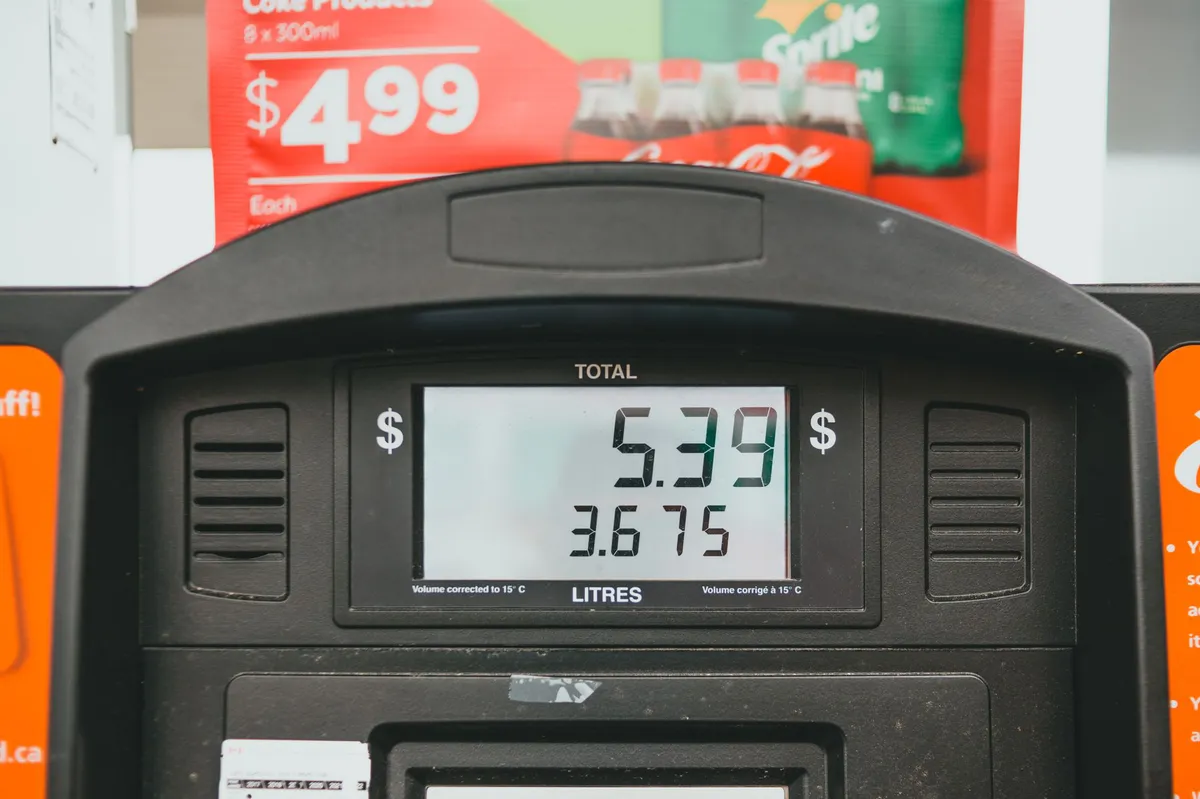
For American consumers, the implications of these developments are significant. While the national average price for regular gasoline peaked at $4.56 per gallon in May 2026, it saw fluctuations that kept it below the worst-case scenarios. By July 2026, prices had settled back to around $4.02 per gallon, still a notable increase from $2.98 at the onset of the conflict.
Calculating Potential Costs
To understand the financial burden that consumers avoided, consider this: every $1 increase in crude oil prices translates to approximately 2.4 to 2.5 cents per gallon at the pump, according to the American Automobile Association (AAA). If the predicted $150 per barrel scenario had come to pass, gasoline prices could have hit approximately $5.60 per gallon, leading to an extra $1,600 in annual fuel costs for a two-car family consuming about 1,000 gallons of gas yearly. In contrast, the actual increase, which saw prices settle at around $4.02, resulted in a more manageable $1,040 increase.
Future Implications: What Lies Ahead?
Looking ahead, the question remains: what happens if tensions flare up again or if the underlying factors that stabilized prices change? While the immediate crisis appears to have been averted, many of the mechanisms that helped cushion the U.S. economy may not be sustainable in the long term. The Strategic Petroleum Reserve, currently at its lowest levels since March 1983, has lost over 104 million barrels since the conflict began. This reduction could leave the U.S. vulnerable should another crisis arise.
Monitoring Key Indicators
As consumers, it’s essential to remain vigilant about key indicators that will influence future oil prices:
- Strategic Petroleum Reserve Levels: As the U.S. continues to draw down its reserves, lower levels may lead to increased price volatility.
- Saudi Oil Exports: Watch how Saudi Arabia manages its exports in response to geopolitical threats, as the kingdom’s actions significantly influence global supply.
- Global Demand Trends: Changes in demand from major players like China can shift market dynamics unexpectedly.
Key Takeaways
- The predicted oil price spike due to geopolitical tensions did not materialize, thanks to multiple stabilizing factors.
- U.S. oil production reached record levels, and strategic reserves were tapped to mitigate price increases.
- Consumers experienced a significant increase in gas prices, but not to the catastrophic levels initially forecasted.
- Future vulnerabilities exist concerning oil supply, particularly related to the Strategic Petroleum Reserve.
- Monitoring key indicators will be crucial for consumers to understand potential future price fluctuations.
Frequently Asked Questions
Why did oil prices not increase as expected after the conflict in Iran?
Several factors contributed to the stabilization of oil prices, including reduced demand from China, increased production in the U.S., and strategic releases from the Strategic Petroleum Reserve. Traders also became less reactive to geopolitical news, leading to a more stable market environment.
What is the Strategic Petroleum Reserve, and why is it important?
The Strategic Petroleum Reserve (SPR) is a U.S. government-owned stockpile of crude oil meant to be used in times of emergency or significant supply disruptions. Its levels are crucial for maintaining market stability and providing a buffer against price spikes caused by geopolitical tensions or natural disasters.
How can I prepare for future fluctuations in gas prices?
To prepare for future gas price fluctuations, it’s important to monitor key indicators such as the Strategic Petroleum Reserve levels, global demand trends, and geopolitical developments. Additionally, budgeting for unexpected increases and considering energy-efficient vehicles can help mitigate costs.
What should I do if gas prices spike significantly in the future?
If gas prices spike, consider adjusting your driving habits, such as carpooling or using public transportation, to reduce fuel consumption. Additionally, explore options for locking in fuel prices with pre-paid gas cards or fuel rewards programs to help manage costs more effectively.
This content is educational, not financial advice.
Comments
Knight-Swift’s Positive Outlook: Navigating Regulatory Changes and Market Trends
Knight-Swift Transportation reports stronger-than-expected financial results, driven by regulatory changes and a recovering truckload market. The company anticipates continued growth as it navigates driver compensation and operational challenges.
Related articles

Popular in Personal Loans
- Hardee's Franchisee Files for Chapter 11 Amid Financial Turmoil
- The Hidden Costs of SUVs: Understanding the 'SUV Tax' and Its Impact on Your Wealth
- Spectrum's Workforce Changes Amid Customer Losses: What It Means for You
- How Immigration Policy Changes are Impacting Care Worker Shortages and Family Costs
- Unlocking Wealth: The Potential of Trump Accounts for American Families