Knight-Swift’s Positive Outlook: Navigating Regulatory Changes and Market Trends
Knight-Swift Transportation reports stronger-than-expected financial results, driven by regulatory changes and a recovering truckload market. The company anticipates continued growth as it navigates driver compensation and operational challenges.
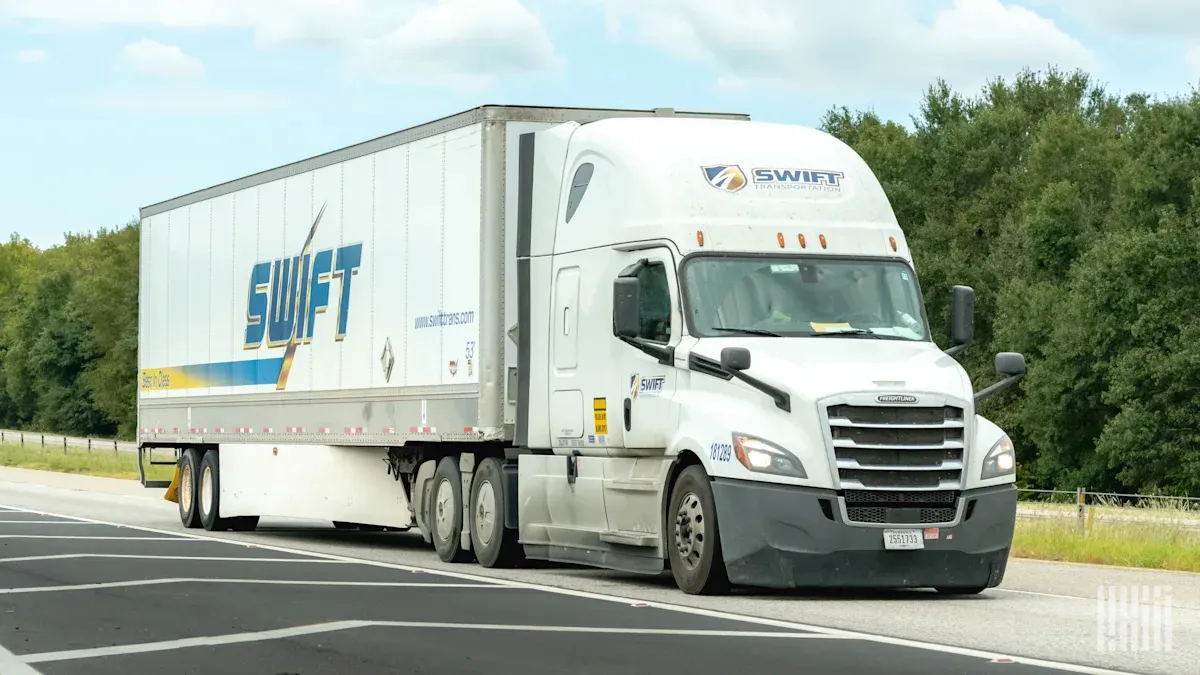
In an era of rapid regulatory changes, Knight-Swift Transportation is positioning itself strongly for future growth. The company recently reported its second-quarter financial results, which exceeded analysts' expectations, highlighting a combination of advantageous market conditions and strategic operational improvements. As the largest asset-based carrier in the United States, Knight-Swift’s performance serves as a bellwether for the trucking industry, illuminating broader trends that could influence freight rates and driver compensation in the coming months.
Despite the challenges posed by a tightening labor market and fluctuating demand for freight services, Knight-Swift's CEO Adam Miller expressed confidence in a durable recovery for the truckload market. With a robust regulatory push aimed at eliminating non-compliant players from the market, the company anticipates a significant rise in contract rates and improved overall profitability.
Regulatory Environment and Market Recovery
The regulatory landscape for the trucking industry has undergone significant changes, primarily due to the Federal Motor Carrier Safety Administration (FMCSA) and the Department of Transportation (DOT) intensifying their enforcement efforts. These changes have resulted in the exit of numerous non-compliant carriers from the market, leading to a tighter supply of trucking capacity. According to Knight-Swift, this regulatory cleanup is directly contributing to a positive shift in market conditions.
During the second quarter, Knight-Swift reported a tender rejection rate that was double the industry average, illustrating the increased demand for truckload capacity. The company anticipates that this momentum will continue, with expectations for further improvements starting in September and extending through the rest of the year.
Strong Financial Performance
Knight-Swift's recent earnings report revealed a significant year-over-year increase in revenue, reaching $2.1 billion, a rise of 13% compared to the previous year. This growth was driven by a robust truckload revenue of $1.1 billion, which saw a 3% increase year-over-year. Interestingly, the revenue per tractor increased by 6%, highlighting the company's improved asset utilization. These metrics suggest that Knight-Swift is not only adapting to current market conditions but thriving within them.
Moreover, the company’s adjusted earnings per share (EPS) stood at 63 cents, exceeding the consensus estimate by 12 cents. This remarkable financial performance indicates that Knight-Swift is effectively managing operational costs while capitalizing on favorable market dynamics.

Challenges in Driver Compensation
While Knight-Swift enjoys a bullish outlook, the company has flagged driver pay as a potential challenge. Although it plans to avoid broad-based wage increases, the company recognizes the need to enhance total driver compensation through improved asset utilization. This strategy aims to increase the number of paid miles driven by each truck, effectively raising driver earnings without necessitating significant wage hikes.
In past downturns, Knight-Swift refrained from rolling back wage increases despite substantial declines in freight rates; this approach reflects a commitment to maintaining driver satisfaction and retention. However, the current labor market is less competitive than in previous years, reducing the pressure to offer substantial wage increases. The company’s focus on bolstering driver pay through operational efficiency rather than across-the-board raises may offer a sustainable solution in the long term.
Segment Performance and Future Outlook
Knight-Swift's performance was not consistent across all segments. The less-than-truckload (LTL) revenue experienced a slight decline of 1% year-over-year, totaling $333 million. This decline was attributed to a combination of increased tonnage and reduced yield. However, the company noted improvements in shipment weight and length of haul, suggesting some resilience in this segment.
On the other hand, the logistics segment saw a remarkable 9% increase in revenue, bolstered by an impressive rise in brokerage revenue per load. The intermodal segment also returned to profitability, with revenues rising by 35% year-over-year, driven by a 20% increase in volumes and a 13% rise in revenue per load. This diversification of services positions Knight-Swift well for future growth opportunities.

Insights from Key Performance Indicators
Key performance indicators (KPIs) from Knight-Swift's earnings report provide valuable insights into the company's operational effectiveness and market positioning:
- Adjusted Operating Ratio (OR): The truckload unit achieved a 91% adjusted OR, a significant improvement of 360 basis points year-over-year.
- Revenue per Loaded Mile: This metric increased by 5.6% year-over-year (excluding fuel) to $2.89, indicating a recovery in pricing power.
- Truck Count and Utilization: The company plans to maintain its truck count while focusing on enhancing utilization rates, which remain stable.

Key Takeaways
- Knight-Swift reports strong second-quarter results, driven by regulatory changes and improved market conditions.
- Driver compensation remains a focus, with plans to enhance pay through increased operational efficiency.
- Segment performance varies, with logistics and intermodal showing significant growth compared to a slight decline in LTL revenue.
- The company anticipates ongoing improvements in contract rates and overall market stability.
Frequently Asked Questions
What are the main factors contributing to Knight-Swift's recent success?
Knight-Swift's recent success can be attributed to a combination of regulatory changes that have eliminated non-compliant carriers from the market, increased contract rates, and improved operational efficiencies. The company's focus on enhancing asset utilization has further bolstered its profitability, positioning it favorably within a recovering market.
How does driver pay impact Knight-Swift's operations?
Driver pay is a critical factor in Knight-Swift's operations as it directly affects driver retention and satisfaction. The company aims to balance competitive pay with operational efficiency, focusing on maximizing paid miles driven to enhance earnings without necessitating broad wage increases. This approach helps maintain a stable workforce while navigating a fluctuating labor market.
What does the future hold for Knight-Swift and the trucking industry?
The outlook for Knight-Swift and the trucking industry appears optimistic, with expectations for further contract rate increases and continued market stability. As regulatory enforcement remains stringent, Knight-Swift is well-positioned to benefit from a tighter market and improved pricing power, suggesting a positive trajectory for the remainder of the year.
Comments
Teen Drops Lawsuit Against Meta as Mental Health Cases Multiply
A Florida teenager has dropped his lawsuit against Meta, which alleged that the company's social media platforms contributed to his mental health struggles. This decision comes amidst a surge of similar lawsuits against social media companies over youth addiction and mental health issues.

Related articles

Popular in Personal Loans
- Hardee's Franchisee Files for Chapter 11 Amid Financial Turmoil
- The Hidden Costs of SUVs: Understanding the 'SUV Tax' and Its Impact on Your Wealth
- Spectrum's Workforce Changes Amid Customer Losses: What It Means for You
- How Immigration Policy Changes are Impacting Care Worker Shortages and Family Costs
- Unlocking Wealth: The Potential of Trump Accounts for American Families