Navigating the Complexities of Moving Wealth Abroad: A Guide for Americans
As more Americans consider relocating abroad, understanding the intricacies of international finance is crucial. This guide outlines the challenges and strategies for effectively managing your wealth overseas.
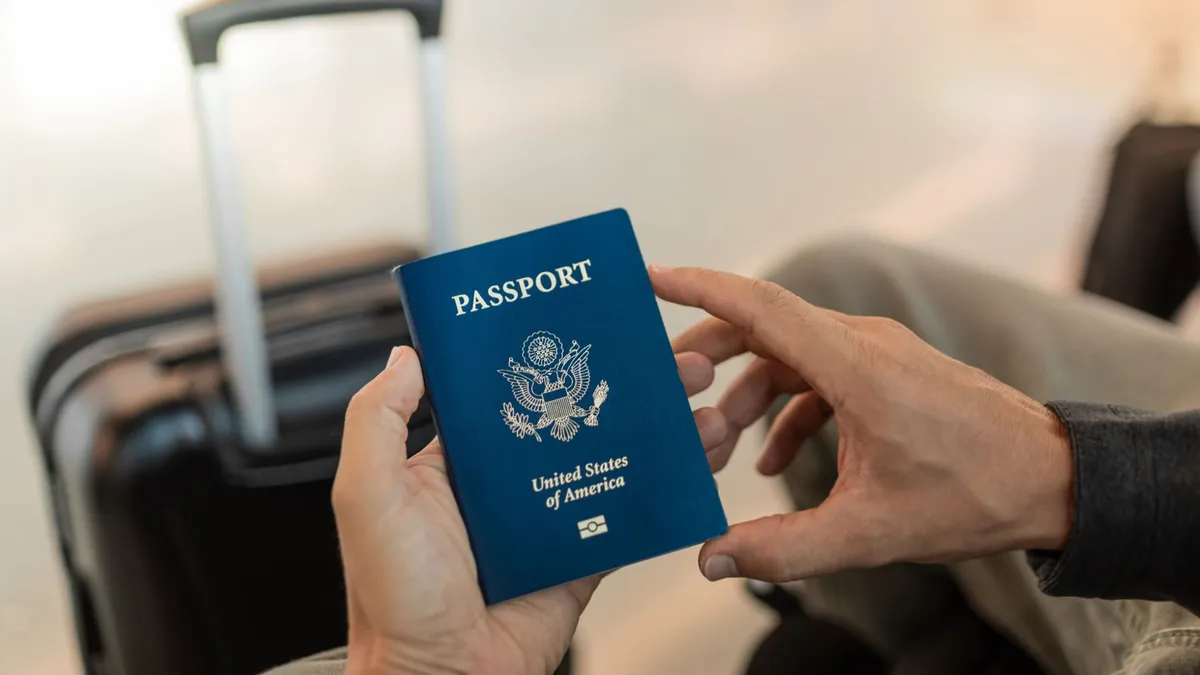
In an era where global mobility is increasingly common, many wealthy Americans are contemplating the prospect of moving abroad. Whether motivated by lifestyle aspirations, economic considerations, or the allure of international investment opportunities, the journey of relocating your wealth can be as daunting as it is exciting. Navigating the complexities of tax laws, banking regulations, and investment options is critical to ensuring that your financial well-being is preserved while you pursue your dreams overseas.
However, the process of relocating your financial assets involves navigating a labyrinth of legal requirements and financial implications that can easily turn a dream into a nightmare. From the Foreign Account Tax Compliance Act (FATCA) to the challenges of opening foreign bank accounts, this guide aims to equip you with the knowledge and strategies needed to move your wealth successfully and avoid common pitfalls.

Why Americans Are Going Global
Historically, American investors have focused primarily on domestic markets, largely because the U.S. stock market is the world's largest and most liquid. However, a significant shift is occurring as more Americans embrace the concept of being global citizens. With the rise of technology and international travel, the world feels smaller, encouraging individuals to seek diverse investment opportunities and lifestyles beyond U.S. borders.
The Allure of Global Investment
High-net-worth individuals are increasingly looking for ways to diversify not only their assets but also their lifestyles. The appeal of international real estate, foreign currencies, and varied investment vehicles is prompting Americans to consider how they can strategically reposition their wealth. This diversification can enhance their financial stability and potentially offer greater returns in different political and economic climates.
The Challenges of Moving Wealth Abroad
While the desire to move wealth internationally is growing, the challenges associated with doing so are substantial. The complexities can be overwhelming, and failure to properly navigate these challenges can lead to severe financial consequences.
Understanding FATCA
The Foreign Account Tax Compliance Act (FATCA) is a U.S. law that requires Americans to report foreign financial accounts and assets. As a result, many foreign banks are reluctant to accept U.S. clients due to the burdensome compliance requirements. This makes it difficult for Americans to open foreign bank accounts or investment accounts, as many institutions prefer to avoid the potential legal ramifications of working with U.S. clients.
Investment Options and Costs
Investing abroad can be achieved through two primary avenues:
- Custodial Accounts: These accounts allow you to hold your assets in a foreign jurisdiction under non-U.S. legal frameworks.
- Foreign-Denominated Securities: You can directly purchase foreign stocks while remaining in the U.S. through select brokers that offer international market access.
However, many major U.S. brokerage firms may not support international trading or impose high fees for such transactions. For example, while some platforms charge $50 or more per trade, others, like Interactive Brokers, offer more competitive rates, enabling clients to trade directly on foreign exchanges and hold assets in local currencies.

Investment Strategies for Global Citizens
For ultra-high-net-worth individuals, innovative financial strategies can help manage their wealth effectively overseas. One such strategy is offshore private placement life insurance (PPLI), which offers access to a wider range of investment options and potentially lower fees compared to traditional U.S.-based policies. These structures can serve as both investment vehicles and tax-efficient wealth planning tools when properly set up in compliance with U.S. tax laws.
Avoiding Common Pitfalls
Investing while living abroad can present unique tax challenges. The IRS penalizes investments in foreign mutual funds and ETFs classified as passive foreign investment companies (PFICs). U.S. taxpayers must be cautious and invest in compliant vehicles to avoid hefty tax liabilities.

Practical Advice for Moving Wealth Abroad
If you're serious about relocating your wealth internationally, here are some essential guidelines to consider:
- Start with Currency: If you plan to retire in Europe, build a portfolio in euros. If moving to Singapore, consider Singapore dollar-denominated assets. Begin dollar-cost averaging into these currencies now.
- Work with Specialized Advisors: Engage financial advisers who understand both U.S. tax law and the financial systems of your destination country. Local knowledge is vital to avoid costly mistakes.
- Be Wary of Local Investment Trends: Local advisers may favor investments that are unsuitable for you, particularly if they involve PFICs, which can lead to punitive tax consequences.
- Consider Renting Before Buying: While owning property abroad may be appealing, it can come with hidden costs and complications. Renting first allows you to gauge the realities of living overseas.
- Prepare Your Financial Plan: Ensure your health insurance, estate documents, and tax strategies are portable and adaptable to your new life abroad.
Key Takeaways
- Moving wealth abroad requires thorough understanding of international tax laws and financial regulations.
- FATCA complicates the process of opening foreign accounts, making it crucial to work with knowledgeable advisers.
- Consider investment options that comply with U.S. regulations to avoid hefty tax penalties.
- Start planning your financial strategy early, focusing on currency and market conditions in your new location.
- Evaluate the pros and cons of property ownership versus renting in your new country.
Frequently Asked Questions
What is FATCA, and how does it affect Americans living abroad?
The Foreign Account Tax Compliance Act (FATCA) requires U.S. citizens to report foreign financial accounts and assets to the IRS. This law has made many foreign banks hesitant to accept U.S. clients due to the compliance burdens, complicating the process for Americans looking to open accounts or invest abroad.
How can I invest in foreign markets as an American?
Investing in foreign markets can be done through custodial accounts that comply with local laws or by purchasing foreign-denominated securities through U.S. brokers that offer international access. It’s essential to understand the associated costs and regulatory requirements, as well as potential tax implications on your investments.
What should I consider before moving my wealth overseas?
Before relocating your wealth, consider tax implications, investment options, and the legal framework of your destination country. It’s advisable to work with financial advisers who understand both U.S. tax laws and the financial landscape of your new home to navigate these complexities successfully.
Is owning property abroad a good investment?
Owning property abroad can be alluring, but it often comes with hidden costs, legal complexities, and varying maintenance responsibilities. Renting may be a more practical option initially, allowing you to experience living in the area without committing to a long-term investment.
This article is for educational purposes and should not be considered financial advice.
Comments
Understanding K-Shaped Spending Trends: The Divide in Consumer Behavior
A new report reveals significant disparities in discretionary spending between the top 10% and the bottom 70% of earners, highlighting the K-shaped economic recovery. We explore the implications for consumer behavior and the economy at large.

Related articles


Popular in Personal Loans
- Hardee's Franchisee Files for Chapter 11 Amid Financial Turmoil
- The Hidden Costs of SUVs: Understanding the 'SUV Tax' and Its Impact on Your Wealth
- Spectrum's Workforce Changes Amid Customer Losses: What It Means for You
- How Immigration Policy Changes are Impacting Care Worker Shortages and Family Costs
- Unlocking Wealth: The Potential of Trump Accounts for American Families