Understanding K-Shaped Spending Trends: The Divide in Consumer Behavior
A new report reveals significant disparities in discretionary spending between the top 10% and the bottom 70% of earners, highlighting the K-shaped economic recovery. We explore the implications for consumer behavior and the economy at large.
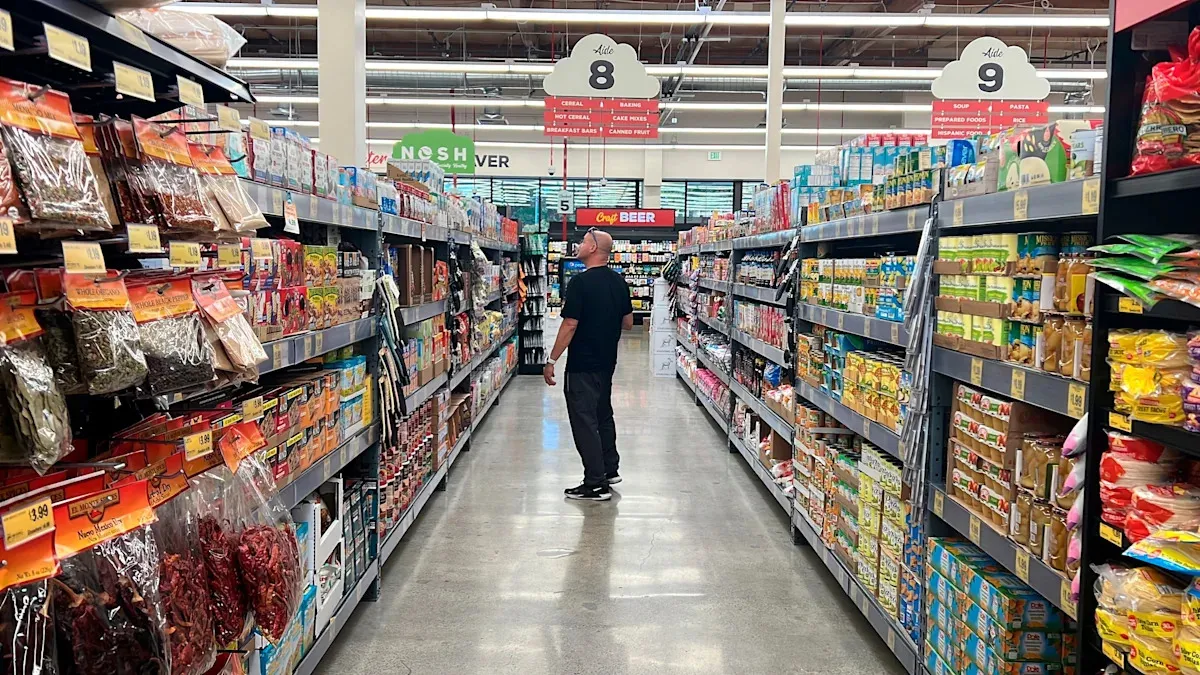
Recent analysis from the Bank of America Institute has shed light on the stark differences in spending habits among American households, revealing a persistent K-shaped economic recovery. In this scenario, the wealthiest 10% are spending nearly as much on nonessential items as the bottom 70% of earners combined. This trend not only highlights the growing divide in economic well-being but also raises questions about the overall health of consumer spending in the U.S.
As the U.S. grapples with inflation and economic uncertainty, understanding these spending behaviors is crucial. The data suggests that while affluent consumers continue to spend freely, lower and middle-income households are increasingly constrained to necessities. Let’s take a deep dive into what K-shaped spending means, its implications, and how households across the income spectrum are affected.

The K-Shaped Recovery: An Overview
The term "K-shaped recovery" describes an economic scenario in which different segments of the economy recover at different rates. In this case, the wealthy are seeing robust gains, while low-income families are left behind. According to the Bank of America analysis, the top 10% of earners accounted for a staggering 36.2% of average annual expenditures on discretionary goods and services in 2023. In contrast, the bottom 10% of earners contributed only 2.1% of discretionary spending.
This disparity is alarming and serves as a critical indicator of consumer health. Discretionary spending includes nonessential items such as dining out, entertainment, and luxury goods, which are essential drivers of economic growth. If only a small percentage of the population is fueling this growth, it poses risks for the overall economy.
Why This Matters
Discretionary spending is a key indicator of economic health. When higher-income households spend significantly on nonessentials, it can stimulate business growth and job creation. Conversely, when lower-income households are forced to prioritize basic needs such as groceries, gas, and healthcare, the economy may struggle. This cycle can perpetuate economic inequality and foster instability.

Consumer Vulnerability and Inflation
The current economic environment is characterized by rising inflation, which has disproportionately affected lower-income households. As inflation rises, the cost of essentials increases, leaving less disposable income for discretionary purchases. Consequently, many families are feeling the pinch in their budgets.
For example, if a family in the bottom 70% of earners spends 60% of their income on essentials, they have far less to allocate toward discretionary items. In contrast, wealthier households can afford to allocate a more significant portion of their income toward luxuries. This divergence creates a cycle where the rich get richer while the poor struggle to make ends meet.
The Impact of Wealth on Spending
Bank of America economists have noted that affluent consumers are crucial for sustaining healthy spending levels, particularly in the context of inflation. The report states, "As long as affluent consumers keep opening their wallets, inflation could stay stubbornly sticky." This statement underscores the dependence of the economy on high-income consumers, who are less affected by rising prices due to their substantial disposable incomes.

Long-Term Economic Implications
The K-shaped recovery presents serious long-term implications for economic policy and consumer behavior. If trends continue, we may see a widening gap in wealth and spending power, which could lead to increased social and economic discord. Policymakers need to be cognizant of these disparities when crafting economic and fiscal policies.
Moreover, the report from Bank of America indicates that the current spending patterns are largely driven by stock market performance. A significant downturn in equity markets could lead to a sharp reduction in discretionary spending, as wealthier households would feel less financially secure. This could spell trouble not only for luxury goods retailers but also for the broader economy.
What Should Consumers Do?
For consumers, understanding these trends can help in making informed financial decisions. Lower-income households should focus on budgeting for necessities while seeking opportunities to save or invest when possible. For higher-income individuals, it’s essential to recognize the impact of their spending habits on the economy and consider sustainable practices that support broader economic health.
- Budget Wisely: Track spending to ensure essentials are prioritized.
- Be Cautious with Discretionary Spending: Consider the long-term implications of luxury purchases.
- Invest in Essentials: Focus on products and services that offer value and necessity.
Key Takeaways
- The top 10% of earners account for a significant portion of discretionary spending.
- Lower-income households are increasingly constrained to spending on necessities.
- Inflation impacts lower-income families more heavily than wealthier ones.
- The K-shaped recovery highlights growing economic disparities in the U.S.
- Consumer spending patterns can shift dramatically based on stock market performance.
Frequently Asked Questions
What is a K-shaped recovery?
A K-shaped recovery is an economic term that describes a situation where different sectors of the economy recover at different rates. In this case, wealthier households experience economic growth and increased spending power, while lower-income households face stagnation or decline. This divergence can lead to greater economic inequality.
How does inflation affect spending habits?
Inflation affects spending habits by increasing the cost of goods and services. As prices rise, consumers, particularly those in lower-income brackets, are forced to allocate more of their income to essential items, leaving less available for discretionary spending. This shift can adversely impact economic growth, as consumer spending is a significant driver of the economy.
What can policymakers do to address economic disparities?
Policymakers can address economic disparities by implementing policies that promote equitable growth. This can include investing in education, increasing the minimum wage, and providing support for small businesses. Additionally, social safety nets can be strengthened to support lower-income households, helping them achieve greater financial stability.
How can consumers protect themselves from economic downturns?
Consumers can protect themselves from economic downturns by creating a robust financial plan that includes budgeting for essentials, building an emergency fund, and investing wisely. Diversifying income sources and being mindful of spending habits can also provide a buffer against economic uncertainties.
This content is educational, not financial advice.
Comments
Unlocking Philanthropy: The Power of Impact-First Investing
As donor-advised funds accumulate billions, impact-first investing offers a timely solution to deploy capital effectively for social good. Here's how it works and why it matters.
Related articles
Popular in Personal Loans
- Hardee's Franchisee Files for Chapter 11 Amid Financial Turmoil
- The Hidden Costs of SUVs: Understanding the 'SUV Tax' and Its Impact on Your Wealth
- Spectrum's Workforce Changes Amid Customer Losses: What It Means for You
- How Immigration Policy Changes are Impacting Care Worker Shortages and Family Costs
- Unlocking Wealth: The Potential of Trump Accounts for American Families