Mastering Your Digital Spending: How to Regain Control of Your Finances
As digital payments become ubiquitous, understanding their impact on spending is crucial. Here’s how to implement practical strategies to slow down your digital spending and safeguard your financial health.

The convenience of digital payments has transformed the way we transact, allowing consumers to make purchases in an instant with just a tap or a click. However, this shift has also created a worrying trend: many people are overspending without even realizing it. The psychology behind spending is changing as cash transactions give way to digital ones, leading to a disconnect between our spending habits and our financial health. As digital payments become the norm, it’s more important than ever for consumers to implement strategies to slow down their spending and regain control over their finances.
Digital payments encompass a wide range of transactions, including credit and debit card use, online bank transfers, e-wallets, mobile payment applications like Apple Pay and Google Pay, and even Buy Now, Pay Later (BNPL) plans. While these methods offer unmatched convenience, they also come with hidden pitfalls that can wreak havoc on your budget.
The Shift from Cash to Digital Payments
The evolution of payment methods has dramatically altered our perception of money. Prior to the rise of digital payments, cash transactions provided a physical and psychological barrier to impulse spending. When you handed over cash, you felt the weight of the bills and saw your remaining balance diminish. This tangible experience triggered a natural check on spending habits.
The Psychological Impact of Digital Transactions
In contrast, digital payments are often frictionless and instantaneous. The tactile experience of cash is replaced by a simple swipe or tap on a screen, which diminishes the sensation of loss associated with spending. This lack of sensory feedback can lead to a disconnect between the act of purchasing and the realization of spending, making it easier to overlook how quickly small purchases add up.
Moreover, the design of online shopping platforms often prioritizes speed and ease of checkout. Features like saved payment information and one-click purchasing encourage impulsive buying, as consumers are moved swiftly from browsing to buy-in with minimal reflection. Research indicates that around 70% of online shopping carts are abandoned, primarily due to slow checkout processes. Retailers understand this psychology and have optimized their platforms for rapid transactions, which can lead to regrettable spending decisions.

Understanding the Financial Risks
As digital payments become easier, two concerning trends often arise: an increase in overall spending and a decline in financial awareness. This combination can destabilize household budgets, leading to potential financial pitfalls.
The Hidden Dangers of BNPL and Autopay
The rise of BNPL options, where consumers can split payments into manageable installments, is a prime example of how digital payment convenience can mask financial realities. While BNPL can make high-ticket items more accessible, it can also lead to a false sense of affordability. According to the Consumer Financial Protection Bureau (CFPB), consumers using BNPL plans often face late fees and challenges in managing multiple payment schedules, which can further complicate their financial situations.
Additionally, autopay options for recurring expenses can create a dangerous level of detachment from spending. When payments are automatically deducted from bank accounts, it becomes easy to lose track of how much is being spent on subscriptions, utilities, and other bills. This lack of visibility can erode savings and make budgeting more challenging.
Strategies to Slow Down Spending
In light of these challenges, it’s essential for consumers to introduce intentional pauses into their spending habits. Here are some practical strategies to make digital spending more visible and manageable:
- Enable Real-Time Alerts: Turn on notifications for every transaction made with your debit or credit cards. This will help keep your spending top-of-mind and alert you to any unauthorized charges.
- Remove Stored Payment Information: Clearing saved payment methods from online retailers can add a step to the purchasing process, prompting you to think twice before making a purchase.
- Set Spending Limits: Use budgeting apps to create category caps that help you stay within your financial limits. Alerts can also notify you when you approach these caps.
- Implement a 24-Hour Rule: For non-essential purchases, consider waiting 24 hours before finalizing your decision. This cooling-off period can help reduce impulse buys.
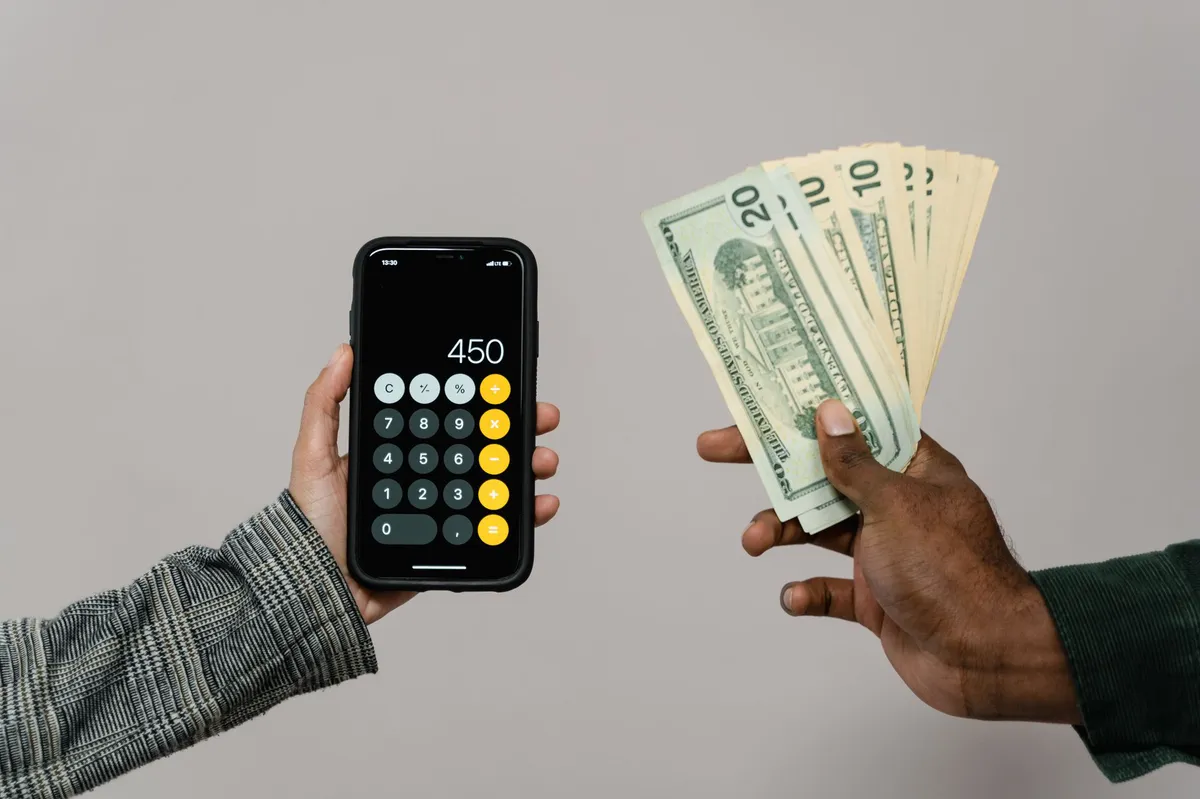
The Role of Financial Institutions in Promoting Responsible Spending
Financial institutions and fintech companies have a role to play in helping consumers manage their spending. By providing features that increase visibility and control over spending, banks can empower their customers to make informed financial decisions. For example, banks can offer real-time transaction alerts, customize spending limits, and provide tools to help users monitor recurring charges.
Additionally, implementing features that require stronger authentication for high-risk transactions can act as a safeguard against impulsive spending. The goal is not to create unnecessary friction but to ensure that consumers have the information they need to make responsible choices about their finances.

Conclusion: Regaining Control in a Digital World
As digital payments continue to dominate the financial landscape, it’s crucial for consumers to be proactive in managing their spending. While the convenience of digital transactions is undeniable, the risk of overspending is real and can threaten long-term financial goals.
By implementing small but effective strategies, such as turning on transaction alerts and removing saved payment information, individuals can reintroduce intentionality into their spending habits. In a world where payment methods are becoming increasingly seamless, maintaining control over our finances demands awareness and deliberate action.
Key Takeaways
- Digital payments are convenient but can lead to overspending.
- The sensory disconnect from cash transactions makes spending less tangible.
- Implement strategies like real-time alerts and spending limits to regain control.
- Financial institutions can assist consumers in responsible spending through better tools.
Frequently Asked Questions
How can I track my digital spending effectively?
To track your digital spending effectively, consider using budgeting apps that categorize your expenses and provide real-time notifications. Implementing spending caps can also help you stay within your financial limits. Additionally, reviewing your bank statements regularly can provide insight into your spending patterns and help you identify areas where you might be overspending.
What are some common pitfalls of Buy Now, Pay Later (BNPL) plans?
Common pitfalls of BNPL plans include the risk of incurring late fees if payments are missed, the potential for accumulating debt from multiple plans, and the tendency to overspend due to the perceived affordability of splitting payments. It's essential to read the terms carefully and ensure you can manage future payments before using these options.
Why is it important to have a cooling-off period before making purchases?
A cooling-off period allows you to reflect on your purchase decision and assess whether the item is a genuine need or simply an impulse buy. This pause can help prevent regretful spending and ensure that your financial decisions align with your overall budget and financial goals.
Can financial institutions help me manage my subscriptions better?
Yes, many financial institutions now offer tools to help consumers manage their subscriptions. These tools can provide visibility into recurring charges, alert users to upcoming payments, and allow for easy cancellation of unwanted subscriptions. Using these features can help prevent unnoticed spending and keep your budget on track.
This content is educational and not financial advice.
Comments
US Job Openings Decline: Healthcare Sector Faces Major Setback
The latest labor market report reveals a notable drop in job openings across the U.S., particularly in healthcare. While hiring persists, the implications for wage growth and economic stability are significant.

Related articles
Popular in Personal Loans
- Hardee's Franchisee Files for Chapter 11 Amid Financial Turmoil
- The Hidden Costs of SUVs: Understanding the 'SUV Tax' and Its Impact on Your Wealth
- Spectrum's Workforce Changes Amid Customer Losses: What It Means for You
- How Immigration Policy Changes are Impacting Care Worker Shortages and Family Costs
- Unlocking Wealth: The Potential of Trump Accounts for American Families