Affordability Crisis: Food Costs Strain American Families
A recent report highlights the growing affordability crisis in America, with food costs taking center stage. As families increasingly rely on credit to meet basic needs, the implications for financial stability are profound.
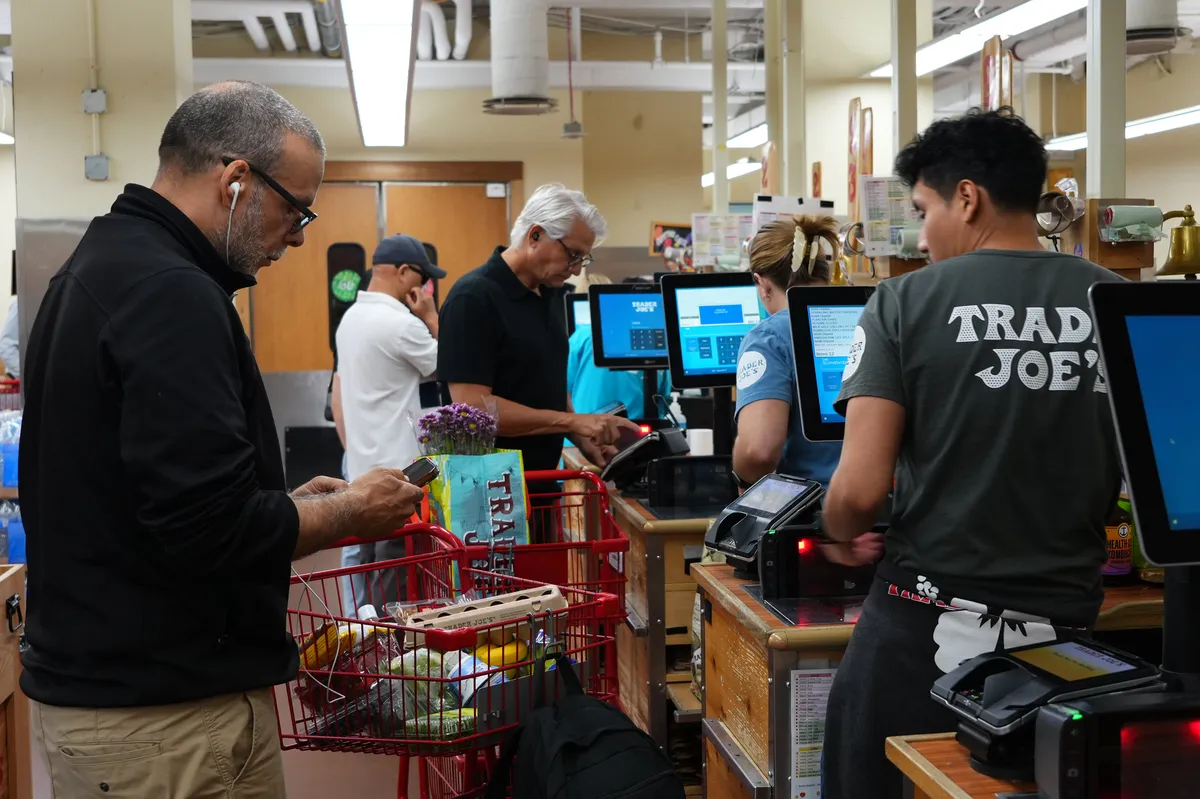
As Americans navigate an increasingly complex economic landscape, affordability has emerged as a defining challenge for families across the nation. A recent report from the McKinsey Institute for Economic Mobility, in collaboration with the W.K. Kellogg Foundation, underscores the significant impact of rising food prices on economic mobility. In a survey involving 30,000 respondents spanning various income brackets, a staggering 90% identified groceries and food prices as their top financial concern, surpassing even critical expenses like housing and healthcare.
John-Paul Julien, a partner at McKinsey & Co. and co-founder of the McKinsey Institute, stated, "We face a common challenge, and that is the rising cost of living. Although people are experiencing the economy differently, there is this shared feeling that rising costs are making it difficult to get ahead." This sentiment resonates deeply, especially as food prices continue to rise, further straining household budgets already stretched thin.
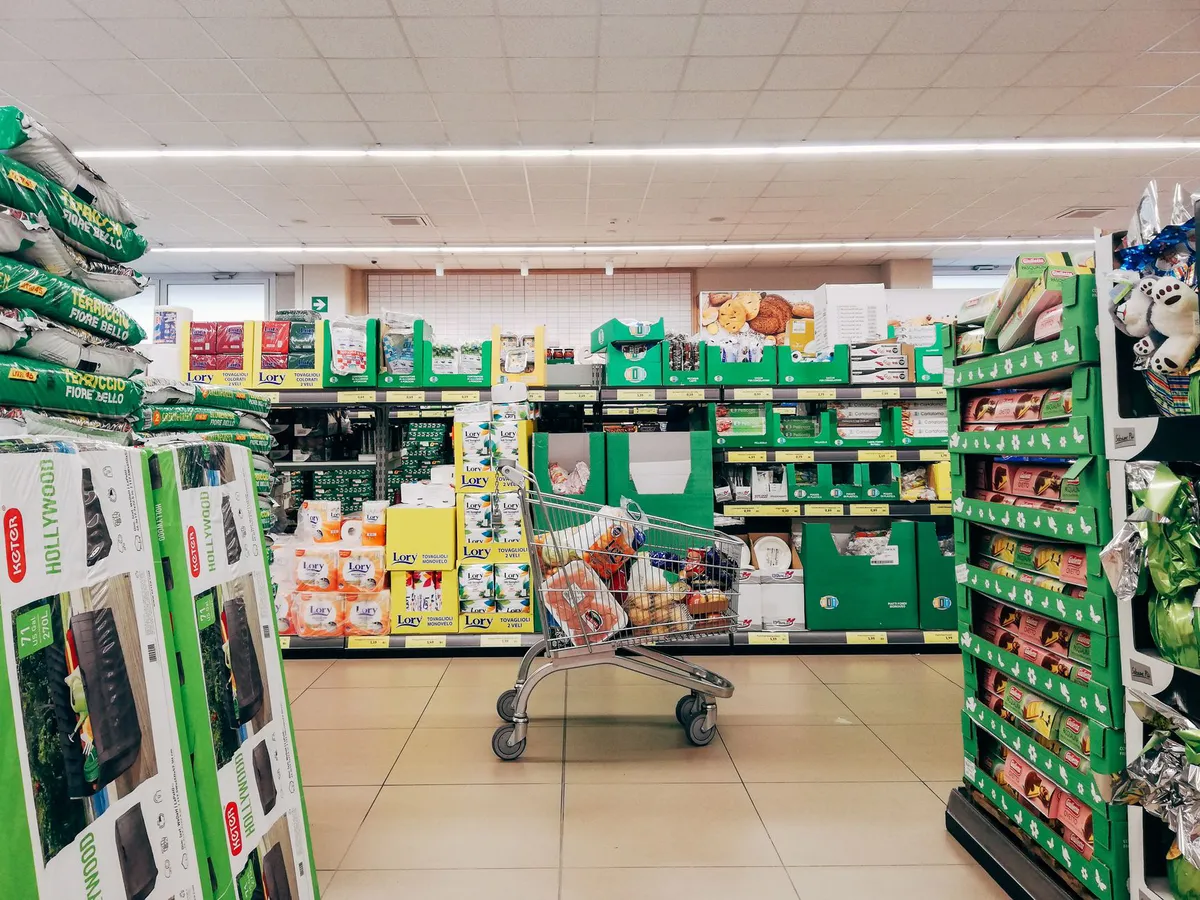
Understanding the Affordability Landscape
The rising cost of living has been a persistent issue for American families, particularly in the wake of the COVID-19 pandemic, which disrupted supply chains and led to inflationary pressures. While consumer prices saw a slight pullback in June, food costs have stubbornly remained high, with a reported year-over-year increase of 3%. The Bureau of Labor Statistics is expected to release updated consumer price index figures soon, but initial indications suggest that the affordability crisis is not improving.
The Urban Institute's analysis provides further insight into how families are coping with these financial pressures. Many households have turned to credit and savings to cover essential expenses, particularly groceries. The Well-Being and Basic Needs Survey found that approximately 35% of adults utilized credit cards to pay for groceries, paying off their bills in full at the end of each month, while another 20% carried a balance but managed to meet minimum payments. However, 8.7% of respondents admitted to falling behind on minimum payments, indicating a wider trend of financial strain.

The Role of Credit in Managing Food Costs
Credit Card Use and Financial Pressure
While using credit cards for budgeting can offer rewards and convenience, it can also lead to increased debt burdens. Credit card holders who do not pay their balances in full are subject to high interest rates—averaging over 20% annually—which can exacerbate financial difficulties. Marshall Lux, a visiting fellow at Georgetown University's McDonough School of Business, emphasized the complexity of affordability issues: "It's hard to draw a straight line" when it comes to understanding consumer behavior and spending.
Buy Now, Pay Later: A Double-Edged Sword
In addition to traditional credit cards, many consumers are increasingly turning to Buy Now, Pay Later (BNPL) services to manage their grocery expenses. Approximately 10% of adults reported using BNPL for food purchases, with a significant percentage missing payments. According to a LendingTree survey, the use of BNPL for groceries has surged from 14% two years ago to 29% today. This trend raises concerns about the long-term financial stability of families as missed payments can result in late fees and deferred interest, further complicating their financial landscape.

The Cumulative Impact of Rising Food Prices
As food-at-home prices have increased by about 25% over the past five years, American families have experienced a cumulative financial strain. Kassandra Martinchek, a public policy expert at the Urban Institute, pointed out that this sustained pressure leads to larger debt burdens that are increasingly difficult to manage. She noted, "Access to credit is a crucial lifeline for families, but relying on credit can lead to future financial instability." This paradox places families in a precarious position, as they must balance immediate needs with long-term financial health.
Challenges Across Income Levels
The challenges posed by rising food costs are not confined to low- and moderate-income households. Even higher-income families are feeling the effects, indicating that the affordability crisis is widespread. The report highlighted that repayment issues span various demographics, suggesting that financial strain is a broad-based issue affecting many American families.
Strategies for Managing Food Costs and Financial Health
As the affordability crisis deepens, taking proactive steps to manage food costs and overall financial health becomes essential. Here are a few strategies families can consider:
- Budgeting: Create a detailed monthly budget that includes all essential expenses, with a specific allocation for groceries.
- Meal Planning: Plan meals in advance to minimize waste and make the most of grocery purchases.
- Smart Shopping: Use coupons, loyalty programs, and compare prices to find the best deals.
- Limit Credit Use: Avoid relying heavily on credit cards for daily expenses, and strive to pay off balances in full each month.
- Research Alternatives: Explore community resources such as food banks or government assistance programs if financial strain becomes overwhelming.

Key Takeaways
- Affordability remains a significant challenge for Americans, with 90% citing food costs as a primary concern.
- High credit card interest rates can exacerbate financial difficulties for families relying on credit to cover grocery expenses.
- The trend of Buy Now, Pay Later services is increasing, but missed payments can lead to additional financial strain.
- Both low-income and higher-income households are experiencing repayment challenges, indicating a widespread issue.
- Proactive budgeting and smart shopping strategies can help families manage rising costs.
Frequently Asked Questions
What should I do if I am struggling to pay for groceries?
If you find yourself struggling to afford groceries, consider reaching out to local food banks or community organizations that provide assistance. Additionally, evaluate your budget to identify areas where you can cut back on non-essential expenses. Meal planning and shopping with a list can also help ensure that you purchase only what you need, reducing waste and saving money.
How can I use credit responsibly while managing food costs?
To use credit responsibly, focus on paying off your balance in full each month to avoid high interest charges. Consider using a credit card that offers rewards for grocery purchases, but be sure to limit your spending to what you can afford to pay off. If you find yourself accumulating debt, reassess your spending habits and seek to create a more sustainable budget that prioritizes essential expenses.
What are some alternatives to credit cards for buying groceries?
Alternatives to credit cards for purchasing groceries include using cash or debit cards, which can help you stick to a budget and avoid accumulating debt. Additionally, consider using prepaid cards loaded with a specific amount for grocery shopping. This approach can limit overspending and help you manage your finances more effectively.
Are there government programs that can help with food costs?
Yes, several government programs aim to assist families with food costs. The Supplemental Nutrition Assistance Program (SNAP) provides financial assistance for purchasing food, while programs like Women, Infants, and Children (WIC) offer support to low-income families with young children. Additionally, local food banks and community organizations often provide resources for families in need.
*This content is educational and not financial advice.
Comments
US Job Openings Decline: Healthcare Sector Faces Major Setback
The latest labor market report reveals a notable drop in job openings across the U.S., particularly in healthcare. While hiring persists, the implications for wage growth and economic stability are significant.
Related articles

Popular in Personal Loans
- Hardee's Franchisee Files for Chapter 11 Amid Financial Turmoil
- The Hidden Costs of SUVs: Understanding the 'SUV Tax' and Its Impact on Your Wealth
- Spectrum's Workforce Changes Amid Customer Losses: What It Means for You
- How Immigration Policy Changes are Impacting Care Worker Shortages and Family Costs
- Unlocking Wealth: The Potential of Trump Accounts for American Families