Living on $100 a Day: Your Guide to Affordable Retirement Abroad
Discover how retirees can thrive on a budget of $100 a day in various countries. From living arrangements to healthcare costs, explore practical tips for making the most of your retirement funds overseas.

As inflation continues to strain the budgets of many retirees, the allure of living abroad on a budget becomes increasingly appealing. Imagine a lifestyle where your expenses are significantly reduced, allowing you to enjoy a rich cultural experience without breaking the bank. The prospect of retiring on just $100 a day may sound daunting, but with the right mindset and planning, it's not only achievable but can also lead to a fulfilling life abroad.
Retiree confidence in stretching their retirement dollars hinges on understanding the true costs of living in various destinations. Travel expert Tim Leffel, author of A Better Life for Half the Price, emphasizes that living on $100 a day is feasible in numerous countries, especially if retirees embrace local living instead of tourist lifestyles. By reassessing their expectations and spending habits, retirees can unlock a lifestyle that combines adventure with financial prudence.
Understanding the $100-a-Day Concept
The idea of living on $100 a day may initially seem simplistic, but it necessitates a nuanced understanding of where and how one chooses to live. Countries in Latin America, Southeast Asia, and even parts of Eastern Europe provide numerous opportunities for retirees to maintain a comfortable lifestyle without exhausting their savings.
Where Can You Live on $100 a Day?
According to Leffel, several countries offer affordable living arrangements:
- Mexico: Cities like Guanajuato boast rents as low as $500 to $900 per month, allowing retirees to live comfortably.
- Guatemala and Nicaragua: Both countries are known for their lower living costs, making them attractive options for retirees.
- Thailand: In Chiang Mai, a daily budget can cover housing, food, and entertainment effortlessly.
- Bulgaria and Romania: These Eastern European nations are often overlooked but provide affordable living in picturesque settings.
Adopting a Local Mindset
Transitioning to a lifestyle that costs $100 a day requires a shift in perspective. Retirees should aim to immerse themselves in the local culture rather than merely visiting as tourists.
Local Living Strategies
Travel expert Jiayi Wang highlights how living like a local can drastically reduce costs:
- Opt for long-term rentals rather than short stays to save on housing.
- Shop at local markets for fresh produce and household needs.
- Use public transportation instead of taxis or rental cars.
- Attend local events and engage with the community to find affordable entertainment options.

Navigating Financial Considerations
While the prospect of living on $100 a day is enticing, retirees must navigate various financial considerations, including currency exchange, banking fees, and local taxes. Understanding these elements is crucial to avoid unexpected costs and ensure a smooth transition.
Banking and Currency Management
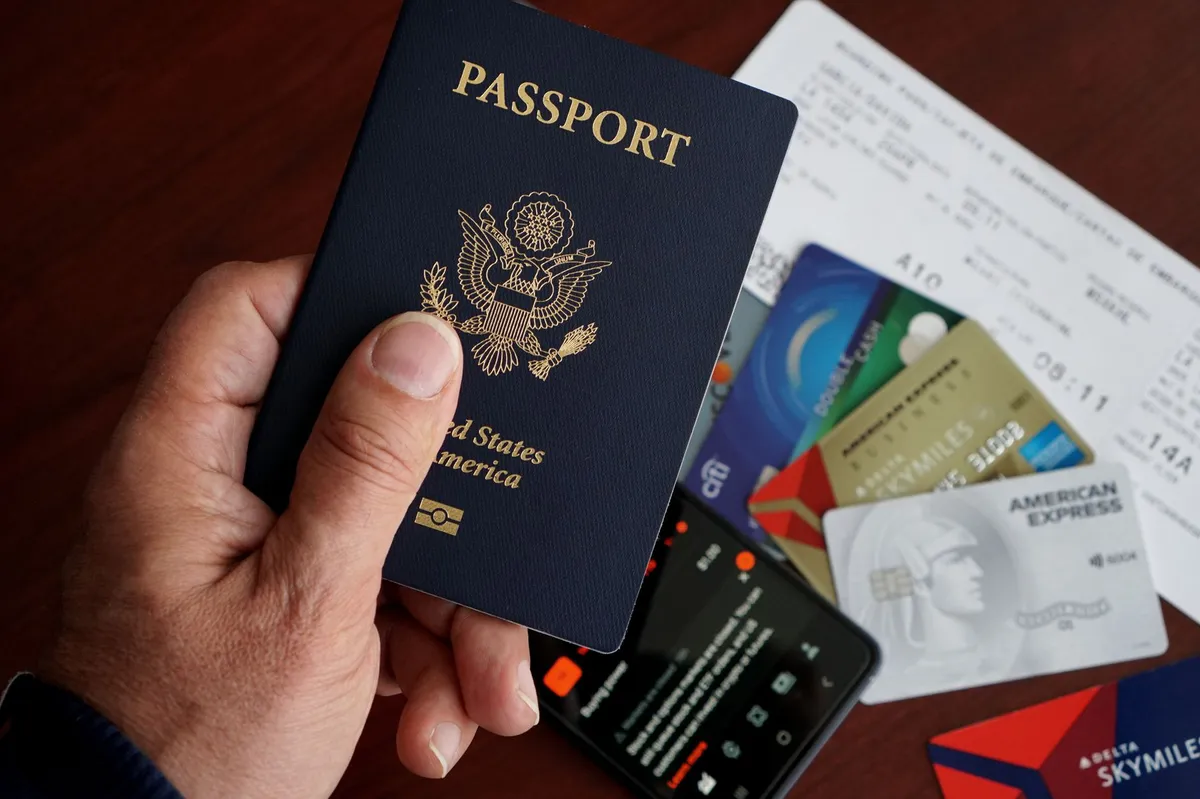
Opening a local bank account can simplify financial transactions abroad. Generally, retirees will need a passport, proof of residency, and sometimes a visa. Alternatively, multi-currency digital banks like Revolut or Wise offer convenient solutions for managing funds internationally.
Key banking tips include:- Choose a debit card that reimburses foreign ATM fees.
- Opt for a credit card with no foreign transaction fees.
- Always pay in the local currency to avoid inflated exchange rates through Dynamic Currency Conversion.
Healthcare: An Essential Component
One often-overlooked aspect of living abroad is healthcare. U.S. Medicare typically does not cover medical expenses outside the country, making travel medical insurance a necessary investment.
Healthcare Cost Considerations
Retirees must budget for healthcare expenses, which can vary significantly by location. For instance, travel medical insurance in Costa Rica may cost around $215 for a two-week trip, while in Thailand, it could be around $96 for the same duration.
- Research local healthcare facilities and their reputations.
- Invest in comprehensive travel insurance that covers unexpected medical expenses.
- Consider the availability of affordable prescription medication in your chosen country.
Planning for Taxes and Residency
Retirees considering extended stays abroad must also understand the implications of local taxes and residency requirements. Many popular destinations enforce a 183-day rule, meaning that if you reside in a country for more than half the year, you may be liable for local income taxes.
Tax Planning Tips
To avoid double taxation, U.S. citizens can take advantage of foreign tax credits. However, it is advisable to consult with an international tax specialist to ensure compliance with both U.S. and foreign tax laws. Keeping detailed records of days spent in each country can help manage tax residency status effectively.
Essential tax considerations include:- Understand the tax implications of residing in your chosen country.
- Consult with a tax professional familiar with international laws.
- Track your time spent in each country to avoid residency misunderstandings.
Key Takeaways
- Living on $100 a day is achievable in various countries, particularly in Latin America and Southeast Asia.
- Adopting a local mindset and lifestyle is essential for maximizing your budget.
- Understanding banking, healthcare, and tax implications is critical for a successful retirement abroad.
- Long-term rentals and local living can significantly reduce monthly expenses.
- Consulting with professionals in finance and tax can help retirees navigate international living smoothly.
Frequently Asked Questions
What countries are best for living on a $100-a-day budget?
Countries like Mexico, Guatemala, Nicaragua, Thailand, and Bulgaria are notable for allowing retirees to live comfortably on a $100-a-day budget. These locations offer affordable housing, low-cost food options, and a generally lower cost of living.
How do I manage my finances while living abroad?
To manage finances effectively while living abroad, retirees should consider opening a local bank account or using multi-currency digital banks. They should also be mindful of foreign transaction fees, always opting to pay in the local currency to avoid unfavorable exchange rates.
Is healthcare expensive in these countries?
Healthcare costs vary by country, and many locations offer affordable options compared to the U.S. However, retirees must ensure they have proper travel medical insurance, as Medicare does not cover expenses outside the U.S.
What tax implications should I be aware of when living abroad?
Retirees must be mindful of the local tax laws, especially the 183-day rule that can trigger tax residency. Consulting with an international tax specialist can help ensure compliance and avoid unexpected tax liabilities.
This content is educational and not financial advice.
Comments
Is a 60/40 Portfolio Too Risky for Retirees? Insights for a 75-Year-Old Couple
Navigating retirement finances can be complex, especially with a substantial portfolio. For a 75-year-old couple with $1.5 million and pensions, we explore if their 60/40 investment strategy is too aggressive and what adjustments could enhance their financial security.

Related articles






Popular in Retirement
- Understanding Trump Accounts: A New Investment Opportunity for Kids
- The Impending Crisis: Social Security Reform and Its Economic Ripple Effects
- Navigating Long-Term Care Insurance: Flexible Alternatives for a Secure Future
- Balancing AI and Employee Loyalty: A Guide for Small Business Owners
- Navigating Retirement: Overcoming Doubts and Embracing Change