The Hidden Costs of Aging in Place: What You Need to Know
While paying off your mortgage can ease financial burdens in retirement, aging in place comes with unexpected costs. Understanding these expenses can help you better prepare for a comfortable retirement at home.

Aging in place is an appealing option for many retirees. After years of hard work, you may be looking forward to enjoying the comfort of your own home, surrounded by cherished memories and the community you've built. Moreover, having a paid-off mortgage can significantly reduce your monthly expenses, making this lifestyle even more attractive. However, it's essential to recognize that the absence of a mortgage does not equate to a budget-friendly retirement. Numerous hidden costs can arise as you age in place, potentially derailing your financial plans. Understanding these expenses is critical to ensuring that your home remains a haven rather than a financial burden.
As you consider the implications of aging in place, it's vital to take a comprehensive look at the costs beyond just the mortgage. From home modifications to routine maintenance, these unexpected expenses can accumulate quickly. In this article, we will explore five significant costs associated with aging in place, providing insights into how to prepare financially for this lifestyle.
Home Modifications: Ensuring Safety and Accessibility
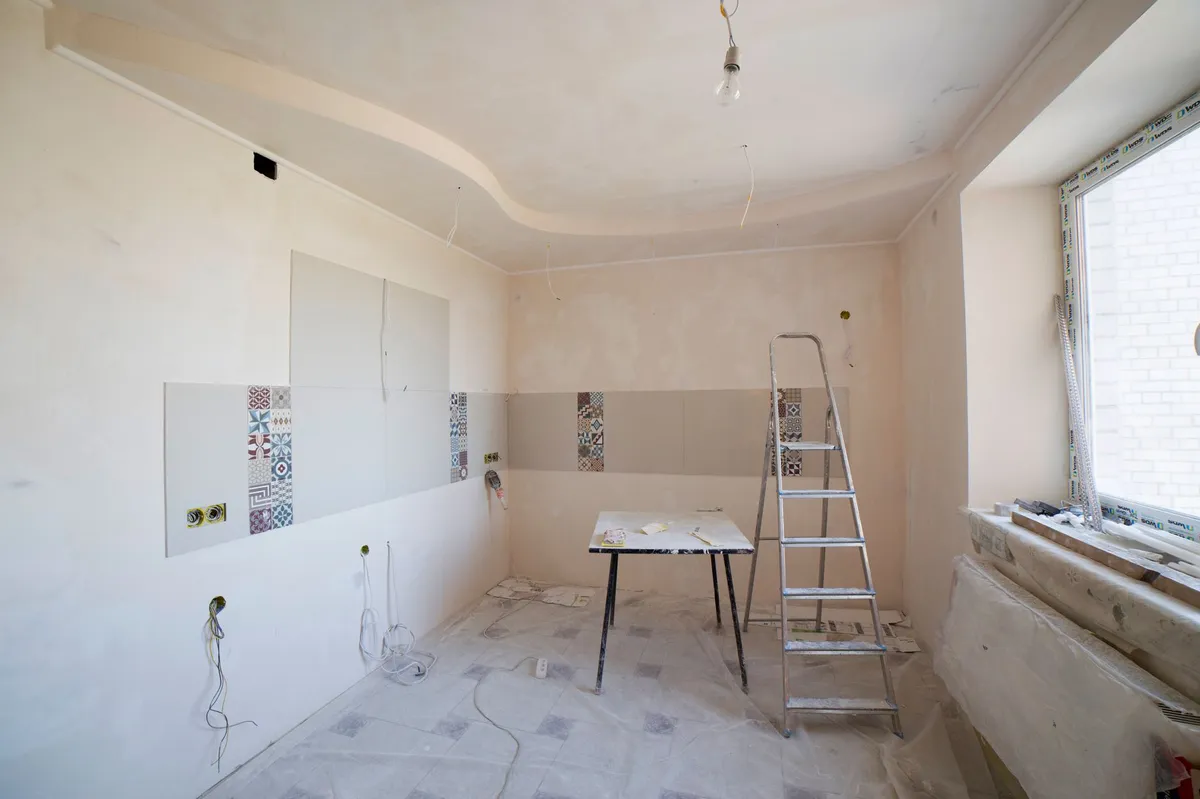
One of the most pressing concerns for seniors considering aging in place is whether their home can accommodate their changing physical needs. As mobility issues become more common with age, modifications may be necessary to ensure safety and accessibility. This could range from simple adjustments, like moving to a main-floor guest room, to extensive renovations involving architectural changes.
Common Modifications and Their Costs
Here are some typical home modifications you might need to consider:
- Walk-in showers: $2,500 to $10,000
- Wheelchair ramps: $1,000 to $3,000
- Widened doorways: $1,500 to $5,000
- Stairlifts: $3,000 to $15,000
It's important to note that Medicare does not cover these modifications, so budgeting for these expenses ahead of time can help avoid unpleasant surprises down the line.
The Chore Tax: Outsourcing Home Maintenance
As you age, the physical demands of maintaining a home can become overwhelming. Tasks that once seemed manageable may require significant effort, leading many seniors to consider hiring help. This 'chore tax' can add up quickly, impacting your retirement budget.
Average Costs of Home Maintenance Services
Consider the following average monthly expenses for common home maintenance services:
- Lawn care: $100 to $500
- Pool maintenance: $100 to $350
- House cleaning: $120 to $240 per visit
These expenses can accumulate quickly, especially if you require multiple services or if you live in an area with higher service costs. Planning for this 'chore tax' is essential to maintaining your budget.
Replacing Aging Appliances: A Hidden Financial Burden
Your home appliances, much like the home itself, may also be aging. While they may function adequately now, older appliances can break down and require replacement, leading to unexpected costs that can strain your finances. Standard homeowner's insurance policies often do not cover the breakdown of appliances, leaving you responsible for these expenses.
Typical Replacement Costs for Household Appliances
Here are some common appliance replacement costs to consider:
- Refrigerator: $1,000 to $3,000
- HVAC system: $5,000 to $15,000
- Water heater: $400 to $1,500
Being proactive about appliance maintenance and budgeting for potential replacements can save you from financial distress later.

Transportation Costs: Navigating a Car-Free Life
For many retirees, the ability to drive is closely linked to independence. However, as health issues arise, some seniors may find themselves unable to drive, leading to additional transportation costs. If you live in a suburban area without accessible public transportation, this can create a significant financial burden.
Understanding Transportation Costs
Here’s what you might expect to pay for alternative transportation options:
- Rideshare or taxi services: $20 to $40 per trip
- Monthly transportation budget: $300 or more
To avoid these costs, consider building a network of friends and family who can provide rides or look into community services designed to assist seniors with transportation.
Rising Homeowners’ Insurance Costs: Protecting Your Assets
Even with a paid-off mortgage, homeowners' insurance remains a critical expense for retirees. While it may seem tempting to forgo this policy, doing so can expose you to significant financial risk in case of damage. Moreover, homeowners' insurance premiums have seen an upward trend, particularly in certain states.
Trends in Homeowners' Insurance Costs
In 2025, average insurance rates rose by approximately 6% nationwide, with states like Colorado, Minnesota, and Iowa experiencing double-digit increases. As such, it's vital to budget for these rising costs to maintain coverage and protect your home. Remember, going without insurance leaves you personally liable for any damages.

Key Takeaways
- Aging in place involves more than just a paid-off mortgage; numerous hidden costs need consideration.
- Home modifications can range from minor adjustments to major renovations, often costing thousands.
- Hiring help for home maintenance can lead to significant monthly expenses.
- Replacing aging appliances may not be covered by insurance, leading to unexpected costs.
- Transportation options may become costly if driving is no longer feasible.
Frequently Asked Questions
What should I consider when planning to age in place?
When planning to age in place, assess both the physical condition of your home and your ability to maintain it. Consider potential modifications for accessibility and safety, the ongoing costs of maintenance services, and whether you will need to outsource tasks as you age. It's also wise to evaluate your financial situation and plan a budget that accounts for these hidden expenses.
How can I prepare financially for aging in place?
To prepare financially for aging in place, start by creating a comprehensive budget that includes not only regular living expenses but also potential costs for home modifications, maintenance services, and transportation. Consider setting aside an emergency fund specifically for unexpected repairs or replacements. Additionally, explore local resources that may provide assistance or funding for modifications that enhance safety and accessibility.
Is homeowners' insurance necessary if my mortgage is paid off?
Yes, homeowners' insurance is still vital even if your mortgage is paid off. This insurance protects you from financial liabilities due to damage or loss of your home. Foregoing this coverage can leave you vulnerable to significant financial risk, as you would be personally responsible for any repairs or losses incurred.
What are some common modifications needed for aging in place?
Common modifications for aging in place include walk-in showers, grab bars, wheelchair ramps, and wider doorways. These changes enhance safety and accessibility, helping seniors maintain independence in their homes. While costs for these modifications can vary, proper planning and budgeting can help ensure that your home remains a comfortable and safe environment as you age.
Disclaimer: This content is educational and not financial advice.
Comments
5 Financial Benefits of Aging in Place for a Secure Retirement
Aging in place offers retirees significant financial advantages beyond avoiding costly retirement communities. Discover how staying in your home can protect your nest egg through savings on groceries, healthcare, property taxes, and more.

Related articles






Popular in Retirement
- Understanding Trump Accounts: A New Investment Opportunity for Kids
- The Impending Crisis: Social Security Reform and Its Economic Ripple Effects
- Navigating Long-Term Care Insurance: Flexible Alternatives for a Secure Future
- Balancing AI and Employee Loyalty: A Guide for Small Business Owners
- Navigating Retirement: Overcoming Doubts and Embracing Change