What Your Adult Children Don't Want: 10 Family Heirlooms to Avoid Passing Down
As you consider what to pass down to your adult children, it turns out many cherished items may not be as desirable as you think. From old photo albums to formal dining sets, here's what to avoid and why.
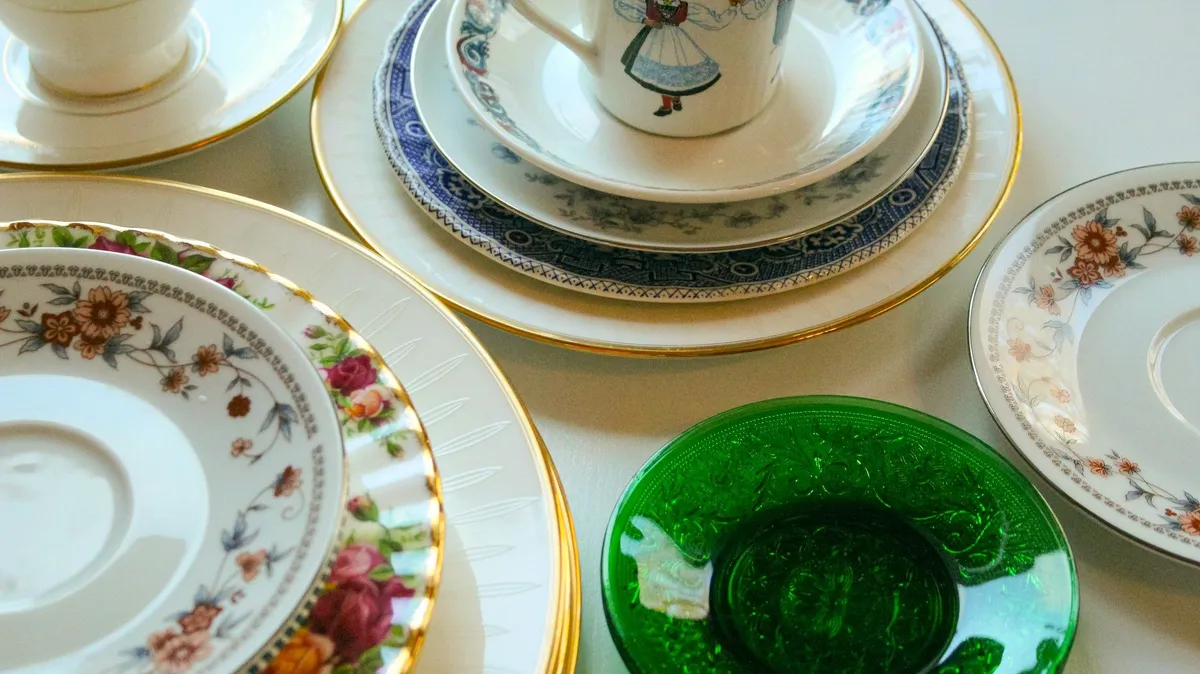
As you approach the golden years of retirement or contemplate downsizing, the thought of what to pass down to your adult children is often filled with nostalgia. You may envision handing over cherished heirlooms, believing that your kids will treasure the same items you’ve clung to for years. However, a surprising trend is emerging: many adult children are less interested in these family relics than their parents might expect. From dusty photo albums to ornate china sets, here are the ten items that adult children are likely to wish you would just let go.
Understanding the Shift in Sentiment
The generational gap in material possessions and values has never been wider. Baby boomers, who inherited a wealth of items from their parents, are now facing a reality where their children—Generation X, Y (Millennials), and Z—are not interested in the same kind of material legacy. Julie Hall, a professional estate liquidator and author of Inheriting Clutter: How to Calm the Chaos Your Parents Leave Behind, observes that many adult children want to avoid the burden of unwanted items, stating, "I can count on one hand what my 30-year-old daughter wants."
1. Formal Living and Dining Room Furnishings
When it comes to large furniture pieces, such as mahogany dining tables and ornate hutches, these are at the top of the list for items adult children wish to avoid. Anna Novak, a downsizing expert, explains that contemporary living arrangements often lack formal dining rooms. What was once a symbol of success and hosting capabilities has transformed into clutter in today’s homes. Few people entertain large gatherings, and as such, the need for large dining sets has diminished significantly.
2. Photo Albums Full of Unknown Faces
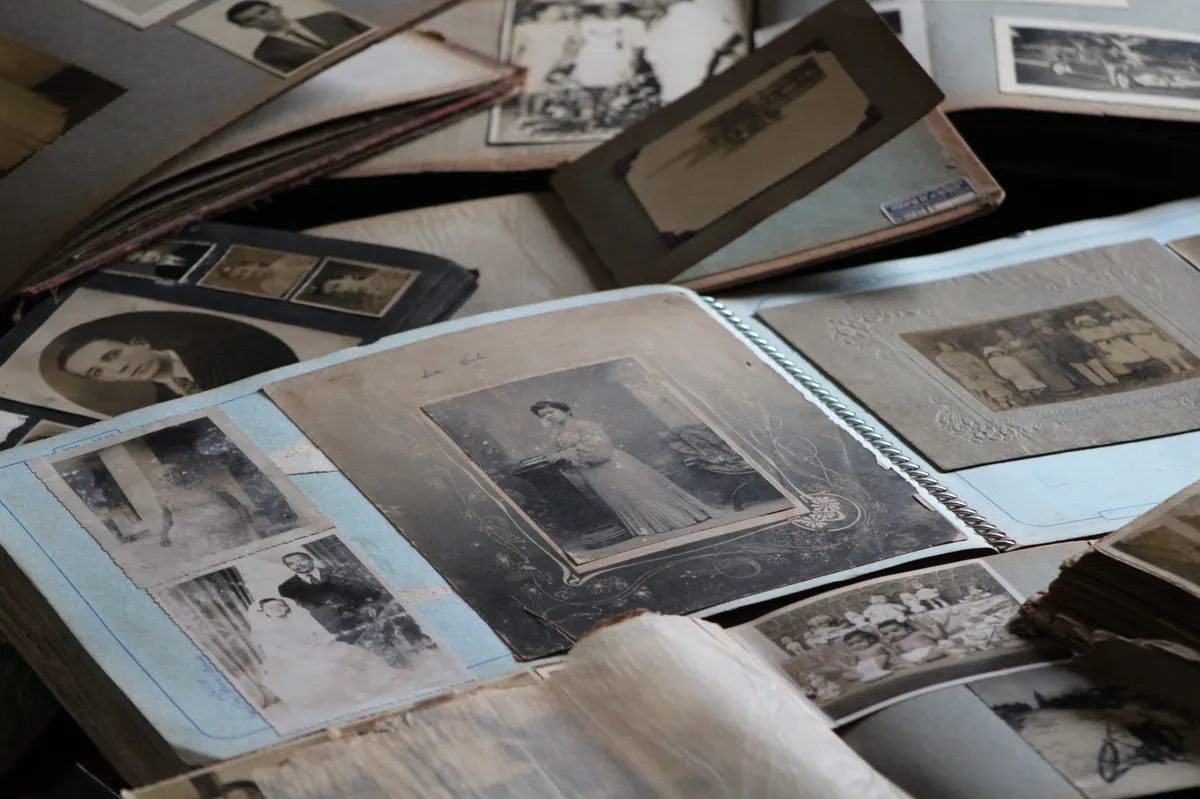
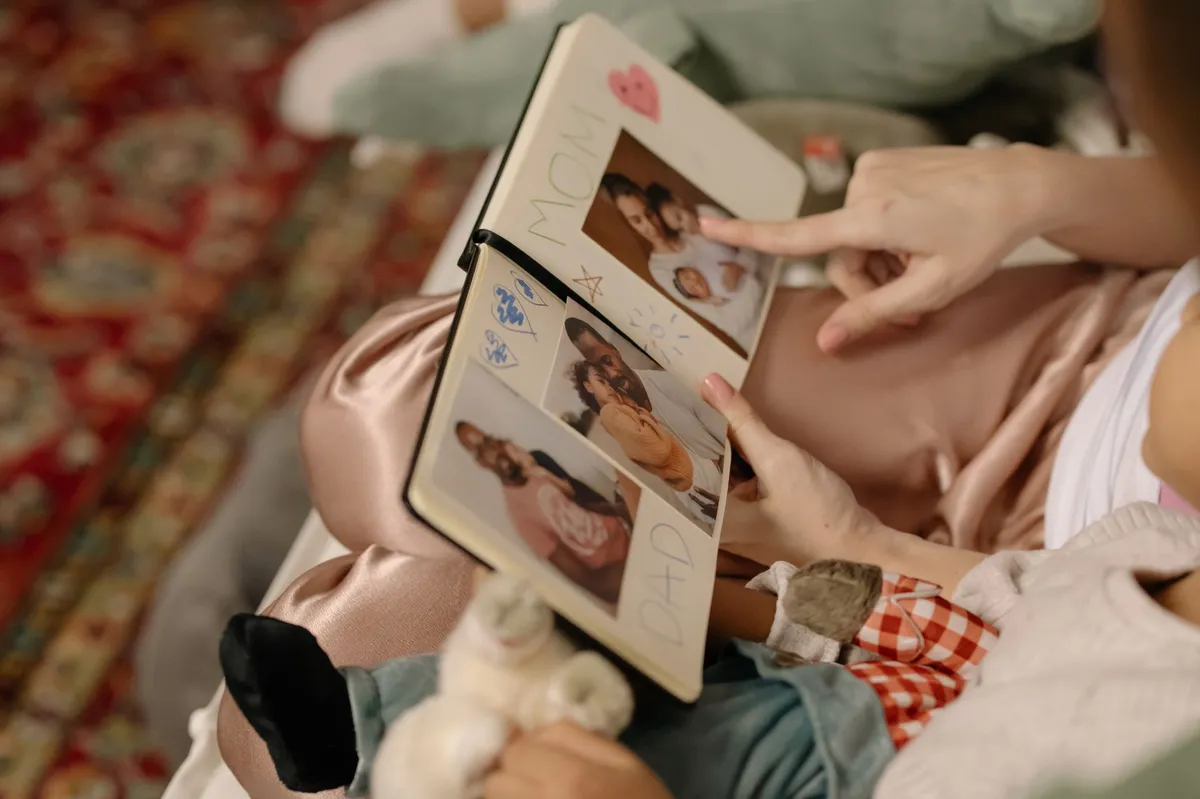
While family photos can hold sentimental value, entire albums filled with images of long-forgotten relatives are often more of a burden than a treasure. Nonnahs Driskill, a professional organizer, emphasizes that children are more interested in curated collections of meaningful photos rather than piles of images of people they never knew. Digital photo sharing is a modern solution; organizing photos into digital albums and identifying the individuals in them can make for a more appealing gift.
3. Books and Media from Past Eras
Books are often heavy and take up a lot of space, making them undesirable for younger generations who may already own the titles they love. Driskill points out that items like old textbooks or CDs are likely to be unwanted, as many younger adults no longer have the means to play physical media. If you’ve held on to a collection of books from your college years, consider donating them to a local library or charity.
4. Outdated Bedroom Furniture
Matching bedroom sets that were once a staple of interior design have lost their appeal among younger adults. Hall suggests that modern preferences lean toward minimalist designs that prioritize functionality. If you have a massive wooden bedroom set, it’s unlikely your children will appreciate it as much as you did. Instead, they may only want a few pieces, like a nightstand, rather than the entire set.

5. Old Linens
Items such as stained tablecloths, napkins, and placemats are unlikely to find a welcoming home among your children. Hall asserts that the hassle of caring for linens—especially those that require ironing or are stained from past gatherings—deters younger generations from taking them on. If you have a collection of linens stored away, it might be worth considering other options for disposal.
6. Collections of Memorabilia
What once represented success—be it collections of figurines or decorative plates—are viewed as clutter by many younger adults. Novak notes that these collectibles often hold little meaning for the next generation and can even symbolize the pressure of maintaining an inherited collection. If you’re considering passing down these items, it may be time to reevaluate their significance.
7. Outdated Sporting Goods
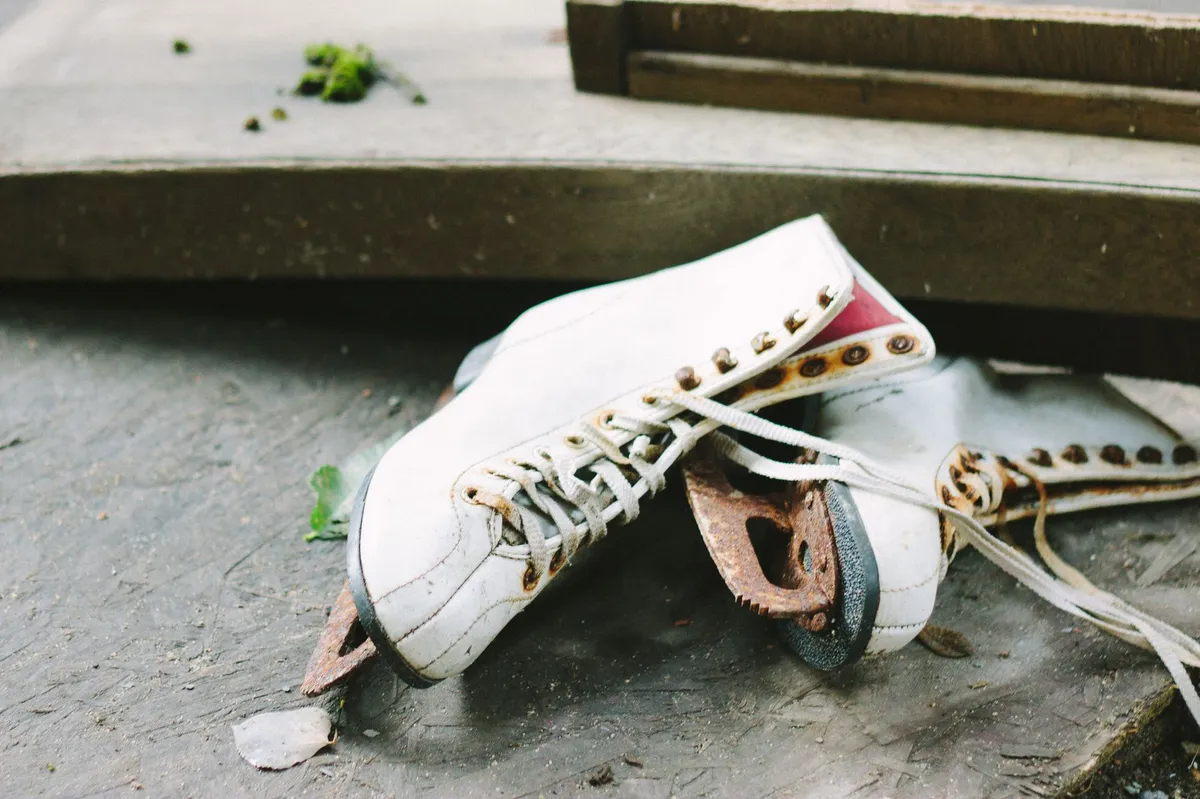
Many parents may want to pass down their once-beloved golf clubs or exercise equipment, but the reality is that most adult children prefer to choose their own gear. Novak points out that older equipment often carries sentimental value for the parents but may not appeal to children who are looking for modern solutions that fit their current lifestyles.
8. Wedding Dresses and Formal Attire
Wedding dresses, especially those that have been preserved for decades, often carry memories but may not hold the same sentimental value for your children. Driskill suggests that while a vintage dress from a grandmother may be appreciated, most daughters would prefer to choose their own attire for special occasions rather than inherit something that feels outdated.
9. Timeshares
While timeshares can seem appealing as a vacation legacy, they often come with hidden costs and commitments that younger generations may not be able to afford. Cheng warns that the maintenance fees associated with timeshares can be a burden, and many adult children may not have the time or inclination to utilize them. Before passing on a timeshare, it’s essential to have an open conversation with your children about their interest.
10. Their Own Childhood Memorabilia
It may come as a surprise, but many adult children do not want the items you have saved from their childhoods, such as trophies, school projects, or even sports jerseys. Novak emphasizes that if they wanted these items, they would have taken them already. The nostalgia you feel for their early artwork or certificates may not resonate with them in the same way.
Key Takeaways
- Downsizing can be challenging: Many baby boomers are finding that their adult children do not share the same attachment to family heirlooms.
- Less is more: Curating meaningful items and sharing them in digital formats can ease the burden of inheritance.
- Open communication is essential: Before passing down any items, discuss with your children what they genuinely want.
- Consider modern alternatives: Items that served previous generations may hold little value for younger adults.
- Focus on quality over quantity: Meaningful gifts that can be cherished rather than a burden are more appreciated.
Frequently Asked Questions
What should I do with items my children don’t want?
Consider donating or selling items that your children do not wish to inherit. Many charitable organizations will gladly accept gently used items, and online marketplaces can help you find new homes for your possessions. This not only declutters your space but also can bring joy to others.
How can I determine what my children actually want?
The best approach is to have an open conversation with your children about their preferences. Discuss what items hold sentimental value and what they would prefer to receive. This can help you avoid the disappointment of offering items that may not be appreciated.
Are there modern alternatives to physical items for preserving memories?
Absolutely! Digital albums, online storage for photos, and even video messages can be effective ways to preserve memories without the physical clutter. Consider using cloud storage services to keep cherished memories accessible and organized.
How can I prepare for downsizing?
Start the downsizing process early by evaluating the items you own. Categorize belongings into keep, donate, and discard. This way, you can streamline the process, making it easier to decide what to pass down and what to let go.
Disclaimer: The content is educational, not financial advice.
Comments
Maximizing Social Security: A Guide for Couples
When planning for retirement, couples often overlook crucial calculations regarding Social Security benefits. Understanding spousal benefits and how timing affects income is vital for financial security.

Related articles




Popular in Retirement
- Understanding Trump Accounts: A New Investment Opportunity for Kids
- The Impending Crisis: Social Security Reform and Its Economic Ripple Effects
- Navigating Long-Term Care Insurance: Flexible Alternatives for a Secure Future
- Balancing AI and Employee Loyalty: A Guide for Small Business Owners
- Navigating Retirement: Overcoming Doubts and Embracing Change