Understanding Tax Relief for Natural Disaster Victims
Natural disasters can devastate communities and individuals alike. The IRS has introduced new tax relief measures for those affected, enabling better recovery options. Here's what you need to know about these tax breaks and how to utilize them effectively.

The increasing frequency and severity of natural disasters like hurricanes, wildfires, and floods have prompted lawmakers to respond with enhanced tax relief measures. These new provisions, outlined under the "Doug LaMalfa Federal Disaster Tax Relief Certainty Act," aim to provide critical financial support to victims of federally declared disasters, allowing them to recover more effectively from their losses. If you’ve been affected by such a disaster, understanding these tax breaks can significantly ease your financial burden and aid in your recovery.
Natural disasters not only bring physical destruction but also emotional and financial strain. For individuals facing the aftermath of a disaster, the tax code offers several avenues for relief that can lead to substantial savings. With the IRS’s updated guidelines, victims can now claim deductions for uninsured personal losses, which can include damage to homes, vehicles, and personal belongings. Here’s a comprehensive look into the tax relief options available, how to take advantage of them, and the resources the IRS provides.
Understanding Casualty Loss Deductions
When disaster strikes, it’s crucial to know how casualty loss deductions work. The IRS allows taxpayers to deduct personal casualty losses that are not covered by insurance, provided these losses are directly attributable to federally declared disasters. The amount you can deduct is determined by the lesser of the property’s adjusted basis (essentially, your investment in the property) or its decline in value, minus any insurance proceeds you have received or expect to receive.
Key Changes in Tax Legislation
The recent legislation passed by Congress extends tax relief for victims of disasters occurring from 2020 through 2025. This law allows taxpayers to deduct their uninsured personal losses—like damage to a house or car—without being limited by the usual 10% of adjusted gross income (AGI) threshold that typically applies to disaster loss deductions. This means that if your losses exceed $500, you can claim the full amount without having to meet that AGI limitation.
- Eligibility: Applies to taxpayers claiming the standard deduction or itemizing on Schedule A of Form 1040.
- Qualified Disaster Losses: Losses must be attributable to federally declared disasters.
- Amendment Flexibility: Losses can be claimed on either the year of the disaster or the preceding year for maximum benefit.

Calculating Your Losses
Determining the exact amount of your losses can be challenging. The IRS has established several safe harbors to assist victims in calculating their losses accurately. For instance, if your home suffered $20,000 in casualty losses, you can choose between two estimates of repairs to determine your loss value. Additionally, the IRS permits the use of estimates provided by insurance reports or invoices from licensed contractors.
Methods for Calculating Losses
Here are some methods to help accurately assess your casualty losses:
- Repair Estimates: Obtain two repair estimates and use the lesser amount.
- Insurance Reports: Utilize loss estimates from your insurance provider.
- Contractor Invoices: Get an invoice from a licensed contractor to establish the replacement cost of destroyed personal belongings.
Filing Your Taxes After a Disaster
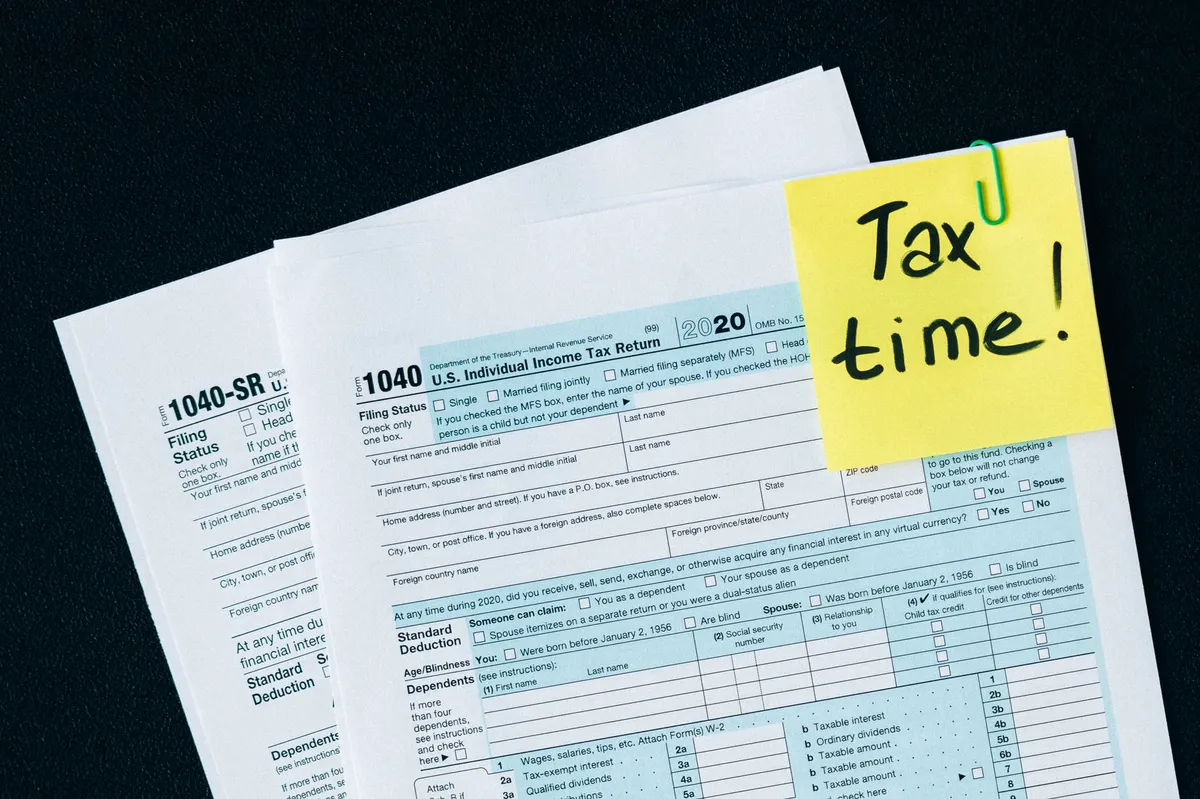
If you experienced a disaster loss after July 4, 2025, and filed your taxes under the old rules, there’s good news. You have up to three years from the filing due date to amend your return using Form 1040X to take advantage of the new tax provisions. This flexibility allows you to maximize your deductions either for the year of the disaster or the prior year, depending on which option yields a greater financial benefit.
Amending Your Tax Return
To amend your tax return for 2025, keep in mind that the deadline is six months after the normal due date. For instance, if your disaster occurred in 2026 and you wish to file for the previous year, you would need to submit your amended return by October 15, 2027. This process can significantly affect your overall tax burden, so it’s worth pursuing if you qualify.

IRS Resources for Disaster Victims
The IRS provides several resources designed to assist disaster victims in navigating the complicated tax landscape following a natural disaster. If you’ve lost important documents or prior-year tax returns due to a disaster, you can obtain a tax transcript—a summary of your key tax information—through various means, including online requests or by calling the IRS directly.
Contacting the IRS
For questions related to disaster-related tax issues, the IRS has set up a dedicated phone line at 866-562-5227. This service can provide guidance on filing extensions, tax relief options, and additional assistance tailored to your specific situation. Furthermore, the IRS typically offers tax filing and payment extensions following federally declared disasters, easing the immediate financial pressure on affected individuals.
Key Takeaways
- Taxpayers affected by federally declared disasters can deduct uninsured personal losses over $500.
- The new tax law allows deductions without the usual AGI limitation.
- Homeowners have safe harbor methods to calculate loss value for insurance and repair estimates.
- Amending tax returns for past years can allow for additional deductions.
- The IRS provides dedicated resources and support for disaster victims.

Frequently Asked Questions
What types of disasters qualify for tax relief?
Tax relief is available for losses resulting from federally declared disasters, which typically include hurricanes, wildfires, floods, earthquakes, and tornadoes. The IRS maintains a list of disasters that qualify for these tax deductions, and it is essential to confirm whether your specific event is included.
How do I amend my tax return for disaster losses?
To amend your tax return, use Form 1040X and submit it to the IRS, detailing the changes you are making to your deductions due to disaster losses. Be mindful of the deadlines; for losses incurred in 2026, you have until October 15, 2027, to file an amended return for 2025.
Can I get help from the IRS if I lost my tax documents?
Yes, the IRS can assist you in recovering lost tax documents. You can request a tax transcript or a copy of your return through the IRS website or by phone. This can be particularly helpful for individuals who need to reference past returns when filing for disaster-related deductions.
What if my losses are not fully covered by insurance?
If your losses exceed your insurance coverage, you can claim the uninsured portion of your losses as a deductible casualty loss. Remember, the deductible amount must be calculated based on the specific guidelines set forth by the IRS, and any insurance reimbursements must be subtracted from your total loss claim.
This content is educational, not financial advice.
Comments
Popular in Taxes
- Opportunity Zone 2.0: What Investors Need to Know for the 2027-2036 Designation
- Understanding State Capital Gains Tax Rates in 2026: A Comprehensive Guide for Investors
- Inheriting a House: Tax Implications and What You Should Know
- T-Mobile Plans and Rising Property Taxes: What You Need to Know
- Understanding the New IRS Gift Tax Exclusion for Trump Accounts