Understanding the Impact of U.S. Sanctions on Iran's Banking Sector
As the U.S. intensifies economic sanctions against Iran, the ramifications extend far beyond foreign policy. This article explores how these actions affect global oil prices and American consumers.

The intricate dance of international finance often plays out behind the scenes, with economic sanctions serving as one of the most potent tools in a nation's geopolitical arsenal. Recently, the U.S. Treasury Department, under the leadership of Secretary Scott Bessent, has ramped up sanctions against Iran, a move that could have significant implications not only for the Iranian economy but also for global oil markets and American consumers. As we delve into the details of this ongoing situation, it becomes clear that the consequences of such sanctions may ripple across the financial landscape in ways that are not immediately visible.
On August 24, 2026, the Treasury launched a campaign dubbed Operation Economic Outcast, aimed at crippling Iran's economic capabilities by targeting its banking sector and related industries. This initiative is not just about isolating Iran; it's about sending a clear message to any entity that may consider doing business with the Iranian regime. As Bessent noted, the goal is to “drive the enemy from its positions, including those in third countries.” With sanctions hitting nearly 60 entities and individuals in one fell swoop, the tempo of these actions suggests a concerted effort to cut off Iran from the global financial system.

The Mechanics of U.S. Sanctions Against Iran
Sanctions can take various forms, but the U.S. Treasury's recent actions reflect a strategic approach that includes designating banks, individuals, and even entire sectors of the Iranian economy. The implications of these sanctions are profound:
- Isolation from the U.S. Financial System: Any bank or financial institution that gets sanctioned is effectively barred from engaging in transactions involving U.S. dollars, which are essential for international trade.
- Secondary Sanctions: These sanctions can affect not only the targeted entities but also anyone who does business with them, creating a domino effect that can cripple entire sectors.
- Increased Compliance Risks: Non-U.S. banks must now navigate a complex landscape where doing business with Iranian entities poses significant legal and financial risks.
The timeline of these sanctions reveals a calculated escalation. Following the initial wave on August 24, subsequent actions came in rapid succession, each aimed at tightening the noose around Iran's financial dealings. The announcement of a yet-to-be-named large bank facing sanctions on September 14 illustrates a clear strategy: maintain momentum to maximize pressure on Tehran.
The Broader Economic Context: Oil Prices and Consumer Impact
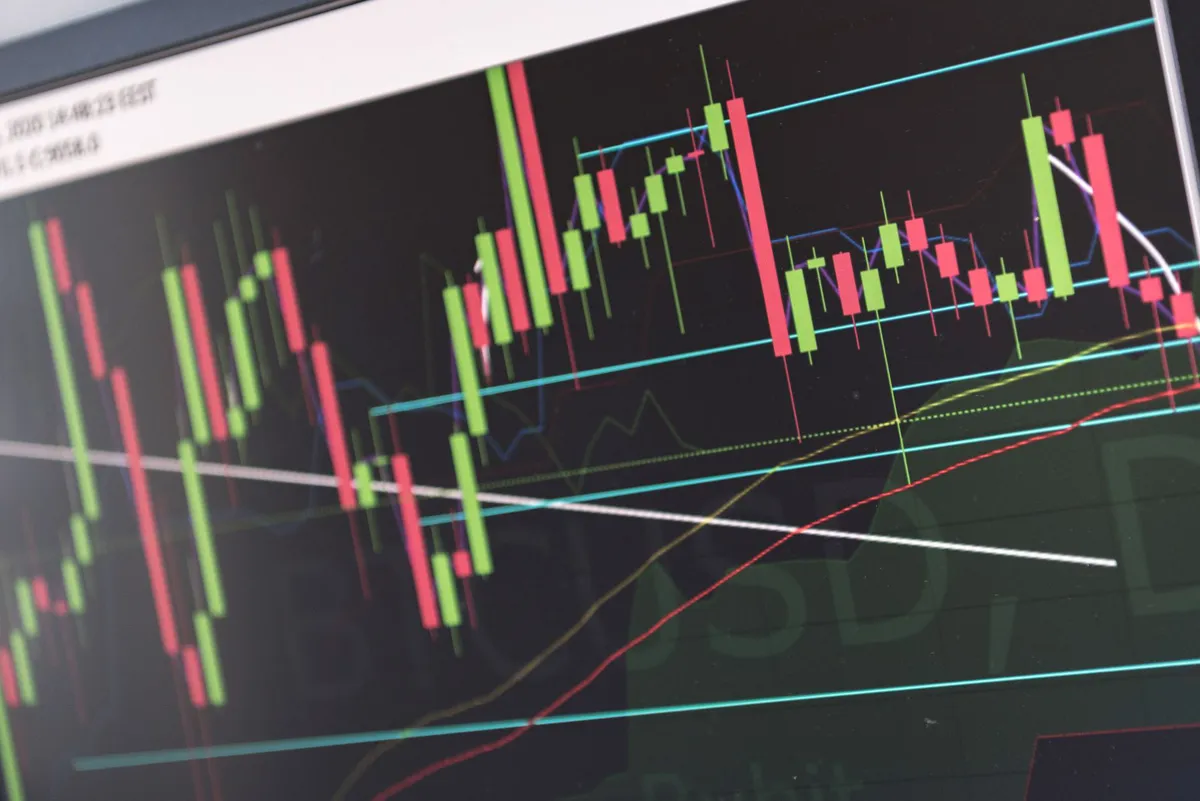
While the sanctions primarily target Iran, the repercussions are felt globally, particularly in the oil markets. In August 2026, Brent crude oil averaged $91 per barrel, a notable increase from July. This rise can be attributed to uncertainty regarding Iranian oil exports, which are pivotal to global supply. The sanctions have the potential to disrupt these exports further, contributing to price volatility.
As sanctions tighten, the financial pathways for Iranian oil sales become increasingly fraught. For American consumers, this translates into higher gasoline prices at the pump and broader inflationary pressures:
- Fuel Costs: The Energy Information Administration (EIA) projects that fuel prices will remain elevated through the end of 2026, affecting household budgets.
- Inflation Rates: The Federal Reserve closely monitors inflation rates when determining monetary policy. Higher oil prices can lead to increased costs across various sectors, impacting everything from groceries to transportation.
The connection between sanctions and consumer prices may not be evident at first glance, but as oil prices rise, so too does the cost of living. Each announcement from the Treasury, while focused on foreign policy, carries weighty implications for American households.
Strategic Implications of Sanctions and Global Dynamics
The U.S. is not acting in a vacuum; international support and opposition shape the environment in which these sanctions operate. While the European Union has signaled its backing for the U.S. campaign against Iran, countries like China have condemned the unilateral nature of these sanctions. This geopolitical tug-of-war complicates the landscape:
- Support from Allies: The EU's alignment with U.S. sanctions underscores a united front against Iran's nuclear ambitions, but it also reflects the global implications of Iran's actions on regional stability.
- Opposition from Others: Countries like China view these sanctions as an infringement on their sovereignty and economic interests, potentially leading to a counter-strategy that could include increased economic ties with Iran.
The potential for a diplomatic solution remains uncertain, as evidenced by planned meetings between Iranian officials and representatives from Gulf Cooperation Council (GCC) countries. However, the simultaneous imposition of sanctions sends a mixed message: while dialogue is welcomed, the U.S. remains resolute in its economic pressure.
Looking Ahead: The Consequences of Ongoing Sanctions
The announcement of the unnamed bank facing sanctions on September 14 is merely one part of a larger narrative. The Treasury's approach emphasizes a sustained campaign against Iran, with future actions likely to follow in quick succession. This raises crucial questions for investors and consumers alike:
- What happens next? If the sanctions continue to escalate, we may see further disruptions in oil supply, leading to sustained higher prices.
- How should consumers prepare? Households should brace for potential increases in fuel costs and inflation, adjusting budgets to accommodate these changes.
The interplay between sanctions, oil prices, and consumer spending will be crucial to monitor in the coming months. As Bessent's campaign continues, the structural risks to global markets—and the everyday American consumer—become increasingly apparent.
Key Takeaways
- The U.S. is intensifying sanctions against Iran, impacting global financial systems.
- Higher oil prices are likely to affect consumer costs and inflation rates.
- The geopolitical landscape complicates the effectiveness and consequences of these sanctions.
- Ongoing sanctions could lead to further economic isolation for Iran and increased costs for American consumers.
Frequently Asked Questions
What are the key components of U.S. sanctions against Iran?
The U.S. sanctions against Iran primarily involve targeting financial institutions, individuals, and specific sectors of the economy, preventing them from accessing the U.S. financial system and engaging in transactions involving U.S. dollars. These sanctions serve to isolate Iran economically and deter international entities from partnering with it.
How do sanctions affect oil prices?
Sanctions can lead to reduced oil exports from the sanctioned country, creating uncertainty in the global oil supply. This uncertainty often drives oil prices higher, as markets react to potential shortages. The recent sanctions against Iran are expected to contribute to elevated oil prices, which can directly impact consumer costs.
What should consumers do in light of rising oil prices?
Consumers should closely monitor fuel prices and consider adjusting their budgets to account for potential increases in gasoline and other energy costs. Additionally, they may want to explore energy-efficient alternatives or seek ways to reduce their overall consumption to mitigate the financial impact of rising prices.
Are there any long-term implications of these sanctions?
Yes, the long-term implications of sanctions include potential shifts in global alliances and trade patterns. As countries like China express opposition to U.S. sanctions, we may see increased economic cooperation between Iran and other nations that could challenge U.S. influence in the region. Moreover, sustained sanctions could keep oil prices high, affecting global economic stability.
This content is educational, not financial advice.
Comments
Popular in Taxes
- Opportunity Zone 2.0: What Investors Need to Know for the 2027-2036 Designation
- Understanding State Capital Gains Tax Rates in 2026: A Comprehensive Guide for Investors
- Inheriting a House: Tax Implications and What You Should Know
- T-Mobile Plans and Rising Property Taxes: What You Need to Know
- Understanding the New IRS Gift Tax Exclusion for Trump Accounts