IRS Introduces Automatic Tax Penalty Relief: What You Need to Know
The IRS is simplifying tax penalty relief with an automatic process for eligible taxpayers. Here’s how the new system works, who qualifies, and what you should do.
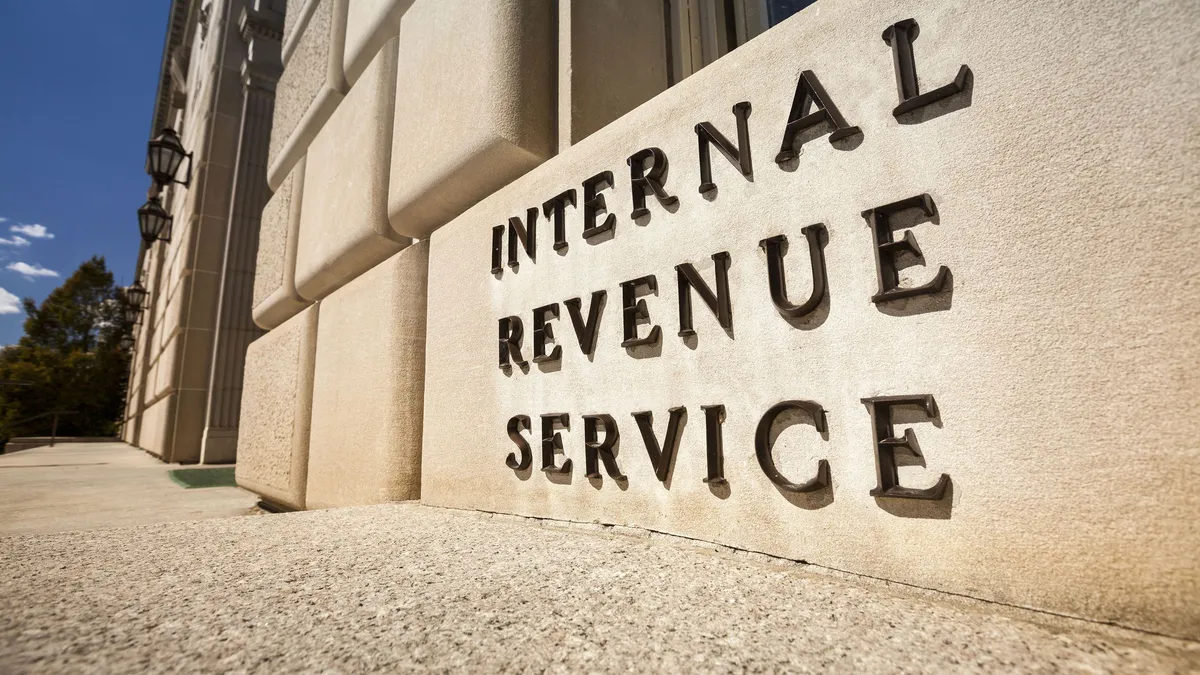
In a significant change aimed at alleviating taxpayer burden, the IRS has introduced an automatic penalty relief system that could benefit millions of Americans who may have inadvertently made tax filing mistakes. Beginning with tax returns due in 2025, the agency will now actively identify eligible taxpayers who qualify for First-Time Abatement relief, eliminating the need for individuals to navigate a complex request process. This shift not only streamlines the experience for taxpayers but also addresses long-standing issues that have historically left many unaware of their eligibility for penalty relief.
The new initiative is expected to help over 1.5 million taxpayers annually, a dramatic increase from the 220,000 who benefited under the previous system. Yet, while the IRS is simplifying access to relief, it's essential for taxpayers to understand the eligibility requirements and the boundaries of this new program. Here's a deep dive into what this change means for American taxpayers.

Understanding the New Automatic Exemption from Penalty (AEP)
The Automatic Exemption from Penalty (AEP) process marks a pivotal shift in how the IRS manages tax penalties. Under the former system, taxpayers were required to wait until a penalty was assessed before they could request relief, often leading to a frustrating experience marked by confusion and delays. Taxpayers typically had to file a request through various channels—whether by phone, letter, or using IRS Form 843—often without knowing if they even qualified for the relief.
With the new AEP, the IRS will automatically assess a taxpayer's compliance history during the return processing phase. If it is determined that a taxpayer meets the relief criteria, penalties for failure to file, pay, or deposit will be suppressed before they are officially assessed, and taxpayers will receive a notice detailing the relief. This proactive approach, as outlined by IRS CEO Frank J. Bisignano, acknowledges that those who consistently meet their tax obligations should not be penalized further for isolated mistakes.

Who Qualifies for Automatic Relief?
Despite the streamlined process, the eligibility criteria for First-Time Abatement relief remain unchanged. Taxpayers must adhere to several requirements to qualify:
- Timely Filing: Taxpayers must have filed all required returns or requested valid extensions.
- Payment of Taxes: Any taxes due must be paid, or an approved payment arrangement should be established.
- Clean Compliance History: Taxpayers should not have significant penalties for the same type of return in the previous three years (or 12 consecutive quarters for quarterly filers).
It’s crucial to note that this automatic relief only applies to specific penalties and does not absolve taxpayers from their underlying tax obligations or any accruing interest. Certain returns, such as information returns or specific estate and gift tax returns, are excluded from this program.
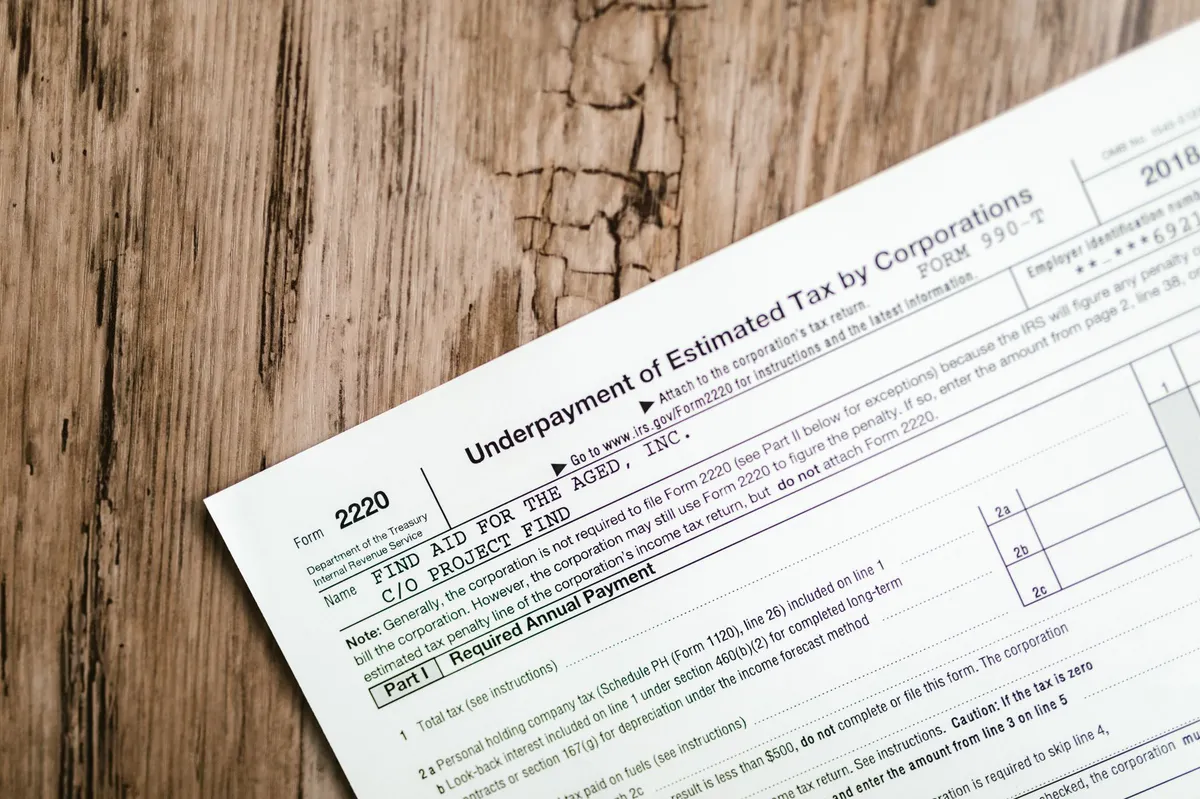
The Importance of a Clean Compliance History
The term 'clean compliance history' signals that the IRS will evaluate whether a taxpayer has maintained a record free from significant penalties over a prescribed period. This three-year review window implies that minor mistakes in tax filings do not automatically disqualify a taxpayer from obtaining relief. Instead, the IRS looks for a general pattern of compliance with tax obligations.
For instance, if a business owner incurs a penalty on a partnership return, it will not affect their eligibility for relief on an individual return, given that they have maintained a clean record for the specified time frame. Importantly, receiving automatic relief does not limit taxpayers to just one opportunity; if they continue to meet compliance standards, they may qualify for relief again in the future.
Transitioning to the New System
The IRS is set to fully implement the AEP system for returns due on or after January 1, 2027. However, taxpayers filing returns for 2025 or quarterly returns for 2026 may still receive penalty notices during the transition period. If taxpayers receive a notice despite qualifying for automatic relief, they should review it carefully. The IRS provides a hotline number for inquiries about penalties, and taxpayers can also monitor their official IRS Online Account to check penalty statuses.
While the new system streamlines the process significantly, it does not eliminate the necessity for taxpayers to be proactive regarding their tax filings. Understanding the eligibility requirements and monitoring one’s compliance history remain essential components of navigating the tax landscape effectively.

What to Do If You Receive a Penalty Notice
If you receive a penalty notice from the IRS and believe you qualify for the First-Time Abatement relief, it is important to act promptly. During the transition phase, some qualifying taxpayers may still receive notices indicating penalties. If you think your situation warrants relief under the new AEP, you may need to formally request it through the traditional channels established by the IRS.
Documentation is key; gather any relevant tax returns and payment records to support your case. Consulting with a tax professional can provide additional guidance and help ensure that you navigate the request process efficiently. Moreover, if you are unsure about the specifics of your situation, seeking assistance from a qualified tax advisor can help clarify your eligibility and next steps.
Key Takeaways
- The IRS is implementing an automatic penalty relief process to assist eligible taxpayers.
- Taxpayers must have a clean compliance history to qualify for relief.
- Not all penalties are eligible for automatic relief; it's essential to understand the specifics.
- Taxpayers should still monitor their tax filings and compliance status.
- Consulting a tax professional can help navigate any lingering questions about IRS penalties.
Frequently Asked Questions
How does the new IRS penalty relief process work?
The IRS's new penalty relief process automatically reviews taxpayers' compliance histories during the processing of returns. If a taxpayer qualifies based on their clean compliance record, penalties related to failure to file, pay, or deposit will be suppressed before they are officially assessed. Taxpayers will receive a written notice regarding this relief, streamlining the process significantly compared to prior requirements.
What happens if I don't receive automatic relief but believe I qualify?
If you believe you qualify for the First-Time Abatement relief but do not receive it automatically, you can still request a waiver under the traditional IRS procedures. This involves contacting the IRS and providing a reasonable cause for your non-compliance. It's crucial to act promptly, as certain deadlines may apply to these requests.
Will all IRS penalties disappear under the new system?
No, not all IRS penalties will be eliminated by the new automatic relief system. The relief primarily applies to specific penalties related to failure to file, pay, or deposit. Taxpayers are still responsible for any taxes owed and the interest that accrues on those obligations.
Can I qualify for relief multiple times?
Yes, if you receive automatic relief under the new system and maintain a clean compliance history, you can potentially qualify for relief again in the future. The IRS will review your compliance history each time you file, allowing for continued eligibility as long as you meet the requirements.
Disclaimer: This content is educational and not financial advice.
Comments
When Roth Conversions Aren't Worth It: 6 Key Scenarios for Retirees
Roth conversions can offer tax benefits, but they aren't suitable for everyone. This article explores six critical situations where retirees should reconsider making the switch.

Related articles

Popular in Taxes
- Opportunity Zone 2.0: What Investors Need to Know for the 2027-2036 Designation
- Understanding State Capital Gains Tax Rates in 2026: A Comprehensive Guide for Investors
- Inheriting a House: Tax Implications and What You Should Know
- T-Mobile Plans and Rising Property Taxes: What You Need to Know
- Understanding the New IRS Gift Tax Exclusion for Trump Accounts