Lawmakers Target Tax Loophole for Crypto Investors: What You Need to Know
Congressional lawmakers are taking steps to close a tax loophole that benefits cryptocurrency investors. This bipartisan effort seeks to bring digital assets under stricter tax rules, potentially impacting millions of investors.
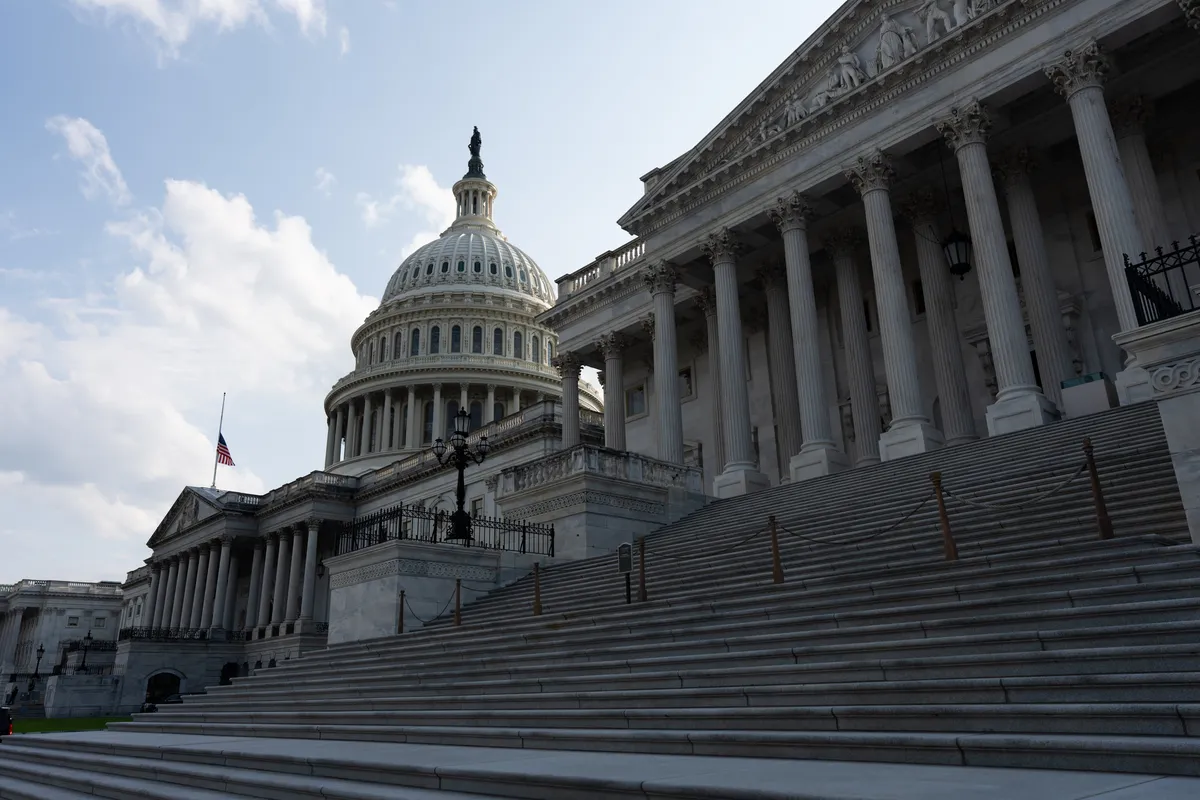
In recent months, a bipartisan group of lawmakers has intensified efforts to eliminate a tax loophole that currently benefits cryptocurrency investors, potentially costing the U.S. government billions in tax revenue. This move marks a rare moment of agreement in an often-divisive political landscape and could have significant ramifications for the growing number of Americans investing in digital assets such as Bitcoin, Ethereum, and others.
The loophole in question allows crypto investors to claim tax benefits for investment losses much like traditional stock investors. However, unlike stocks, cryptocurrencies are not currently subject to "wash sale" rules, which could allow investors to sell a digital asset at a loss while simultaneously repurchasing it, thereby effectively retaining their investment while still enjoying a tax break. As the cryptocurrency market faces significant volatility, the implications of this legislation could be profound for both investors and federal revenue.
Understanding the Tax Loophole
The core of the proposed legislation revolves around a concept known as tax-loss harvesting. Under current tax law, investors can use losses from their investments to offset gains from other investments, reducing their overall tax burden. If an investor sells an asset for a loss, they can offset that loss against any capital gains they may have incurred during the year. If losses exceed gains, they can deduct up to $3,000 from their ordinary income, with the ability to carry forward any additional losses to future tax years.
Normally, the IRS imposes wash sale rules to prevent abuse of this tax benefit. These rules state that if an investor sells a security at a loss, they cannot repurchase the same or “substantially identical” security within a 30-day window before or after the sale and still claim the loss on their taxes. This rule has been in place since 1921 and was created in an era when digital assets were far from a consideration in the tax code.
However, cryptocurrencies are classified as property rather than securities by the IRS, which means they are currently outside the purview of these wash sale rules. As a result, investors can sell their cryptocurrencies at a loss and quickly buy them back, reaping the tax benefits without actually changing their investment positions.
The Legislative Push
In June, Rep. Jodey Arrington (R-Texas) introduced the Applying Existing Tax Anti-Abuse Rules to Digital Assets Act, aiming to extend wash sale rules to include cryptocurrencies. This initiative is notable not only for its potential revenue implications—estimated at nearly $24 billion over a decade by the Treasury Department—but also for its bipartisan support, a rarity in today's political climate.
Other lawmakers have echoed similar sentiments, emphasizing the need for a consistent and fair approach to taxation across various asset classes. Rep. Ron Estes (R-Kansas) stated that applying wash sale rules to digital assets would ensure they are treated similarly to traditional financial assets, providing clarity for traders and investors alike.
Despite this momentum, experts suggest that the likelihood of passing such legislation before the upcoming midterm elections is slim. Nevertheless, the introduction of these bills signals a growing interest in regulating the taxation of digital assets, which could shape future discussions as the cryptocurrency market continues to evolve.
The Impact on Crypto Investors
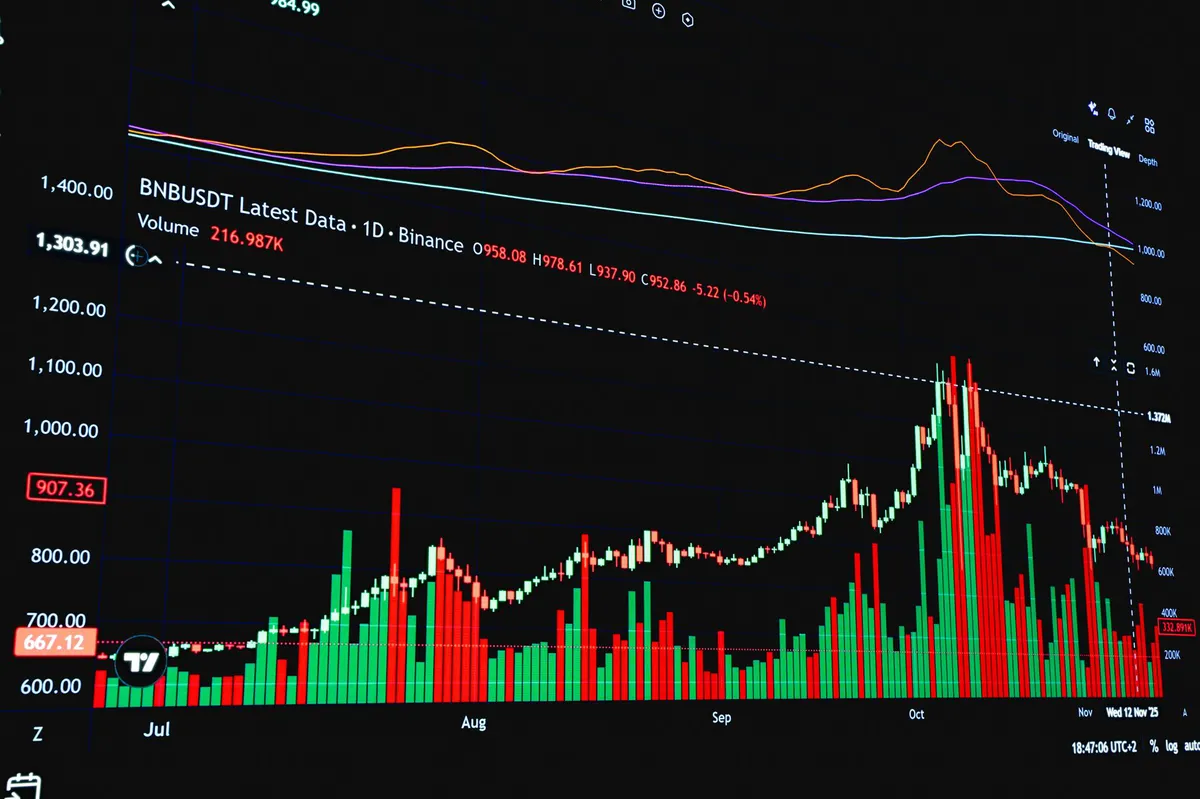
For many investors who entered the cryptocurrency market over the past few years, the prospect of significant losses looms large. Bitcoin, for instance, has lost about half of its value since late 2025, leaving many investors in a position where they could benefit from tax-loss harvesting strategies. If the proposed legislation passes, it could alter how these investors approach selling and repurchasing their digital assets.
Here's a brief overview of the potential impacts:
- Tax Strategy Changes: Investors will need to reevaluate their tax-loss harvesting strategies if the legislation passes, as they may no longer be able to buy back their assets immediately after selling them at a loss.
- Market Reactions: The announcement of potential tax changes could lead to volatility in the crypto markets, as investors rush to reposition their portfolios before the rules take effect.
- Long-Term Holding: Investors may choose to hold their assets longer, avoiding the tax implications while waiting for a market recovery.

Regulatory Landscape and Future Considerations
The legislative initiative comes at a time when broader crypto regulation is under discussion in Congress, including the Clarity Act, which seeks to provide clearer guidelines for digital asset transactions. The evolving regulatory landscape presents both challenges and opportunities for investors and financial institutions alike.
As lawmakers consider how to regulate cryptocurrencies, they must also reckon with the fact that many crypto assets do not fit neatly into existing financial frameworks. The current wash sale rules were not designed with digital assets in mind, leading to gaps in regulation that lawmakers are now looking to address.
Experts argue that extending wash sale rules to crypto could be a necessary step toward a more equitable tax system that treats similar assets uniformly. However, this could also deter some investors from participating in the market, particularly those who engage in frequent trading or speculative investing.

Key Takeaways
- The proposed legislation aims to close a tax loophole that allows crypto investors to claim losses while retaining their investments.
- Current wash sale rules do not apply to cryptocurrencies, leading to potential tax advantages for investors.
- If passed, the legislation could raise significant revenue for the government and change how investors approach their portfolios.
- This bipartisan effort reflects a growing consensus on the need for clearer regulations surrounding digital assets.
Frequently Asked Questions
What are wash sale rules, and how do they impact investors?
Wash sale rules are designed to prevent investors from selling a security at a loss and then repurchasing the same or substantially identical security within a 30-day period to claim the tax deduction on the loss. For most securities, these rules apply strictly. However, cryptocurrencies are currently not classified as securities, allowing investors to exploit this loophole.
How might the proposed legislation affect my cryptocurrency investments?
If the proposed legislation passes, it would mean that crypto transactions would be subject to wash sale rules, limiting your ability to sell at a loss and immediately buy back the same asset. This could lead to changes in your investment strategy, especially if you frequently trade in cryptocurrencies.
Is it likely that this legislation will pass soon?
While there is bipartisan support for the legislation, the current political climate and the upcoming midterm elections make it unlikely that this specific bill will pass in the immediate future. However, it does indicate a growing interest in regulating cryptocurrency taxation, so investors should stay informed about potential changes.
What should I do now as a crypto investor?
As a crypto investor, it is crucial to stay informed about legislative developments and consider how potential tax changes could impact your investments. You may want to consult with a financial advisor to reassess your tax strategies in light of this proposed legislation and to ensure that you are prepared for any future regulatory changes.
The content provided in this article is for educational purposes only and does not constitute financial advice.
Comments
Popular in Taxes
- Opportunity Zone 2.0: What Investors Need to Know for the 2027-2036 Designation
- Understanding State Capital Gains Tax Rates in 2026: A Comprehensive Guide for Investors
- Inheriting a House: Tax Implications and What You Should Know
- T-Mobile Plans and Rising Property Taxes: What You Need to Know
- Understanding the New IRS Gift Tax Exclusion for Trump Accounts