Tax Relief for Disaster Victims: What You Need to Know
Discover how victims of federally declared disasters can access tax relief, deduct losses, and navigate IRS processes effectively.

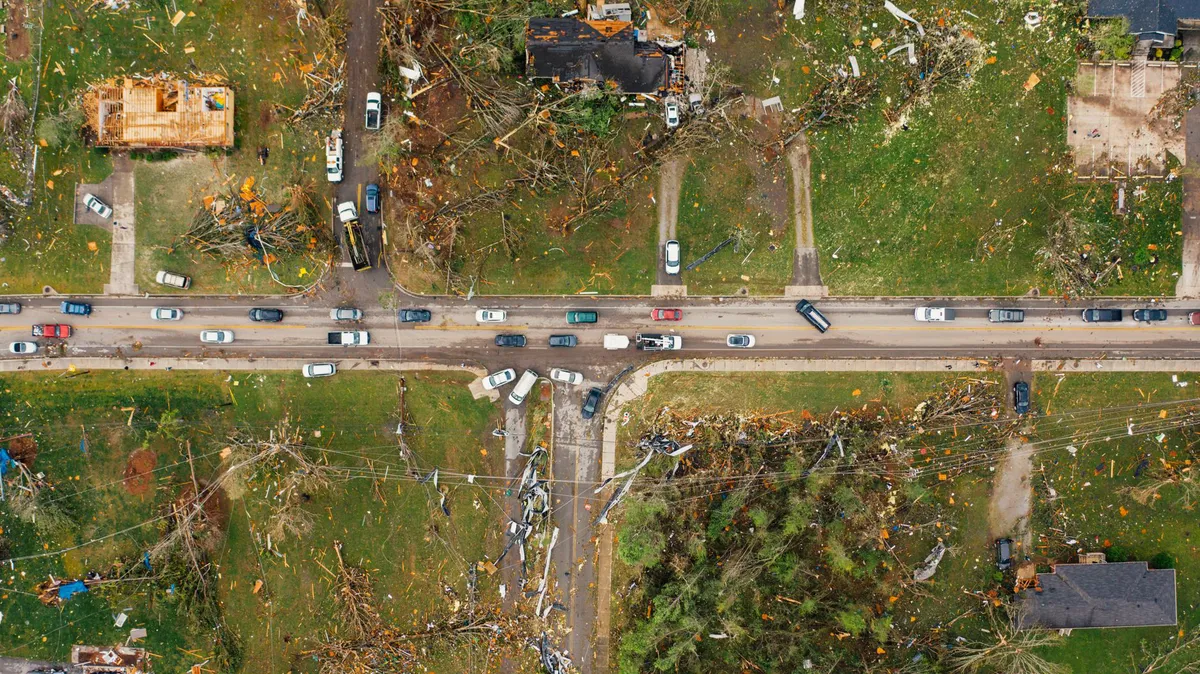
Natural disasters can leave devastating impacts on communities, families, and individuals alike. After a hurricane, wildfire, or tornado, the last thing on your mind might be tax deductions, yet understanding the available tax relief options can significantly ease the burden on disaster victims. As we explore the intricacies of tax breaks for individuals affected by federally declared disasters, it’s crucial to understand what qualifies and how to navigate the sometimes complex IRS rules.
In the wake of disasters, the IRS often steps in to provide tax relief to help individuals recover from their losses. This article will delve into essential tax considerations for disaster victims, including how to deduct losses, what records you might need, and the importance of timing in claiming deductions. By understanding these aspects, you can make informed decisions that could lead to substantial savings during a challenging time.
Understanding Disaster-Related Tax Deductions
When a federally declared disaster strikes, the IRS allows victims to take advantage of specific tax deductions aimed at alleviating financial distress. One of the most significant aspects of these deductions is the ability to claim personal casualty losses on your income tax return.
Eligibility for Casualty Loss Deductions
To qualify for casualty loss deductions, you must meet certain conditions:
- The disaster must be federally declared. This designation opens the door for tax relief, making it easier for you to deduct your losses.
- You must have uninsured losses. Only losses that are not compensated by insurance can be deducted. This means if you have insurance that covers your losses, you cannot claim them.
- Losses must exceed a $500 threshold. Additionally, you can only deduct losses that exceed 10% of your adjusted gross income (AGI), although recent changes have adjusted this rule for victims of specific disasters.
These criteria are vital for determining your eligibility for tax breaks related to disaster losses.
Recent Legislative Changes and Their Impact
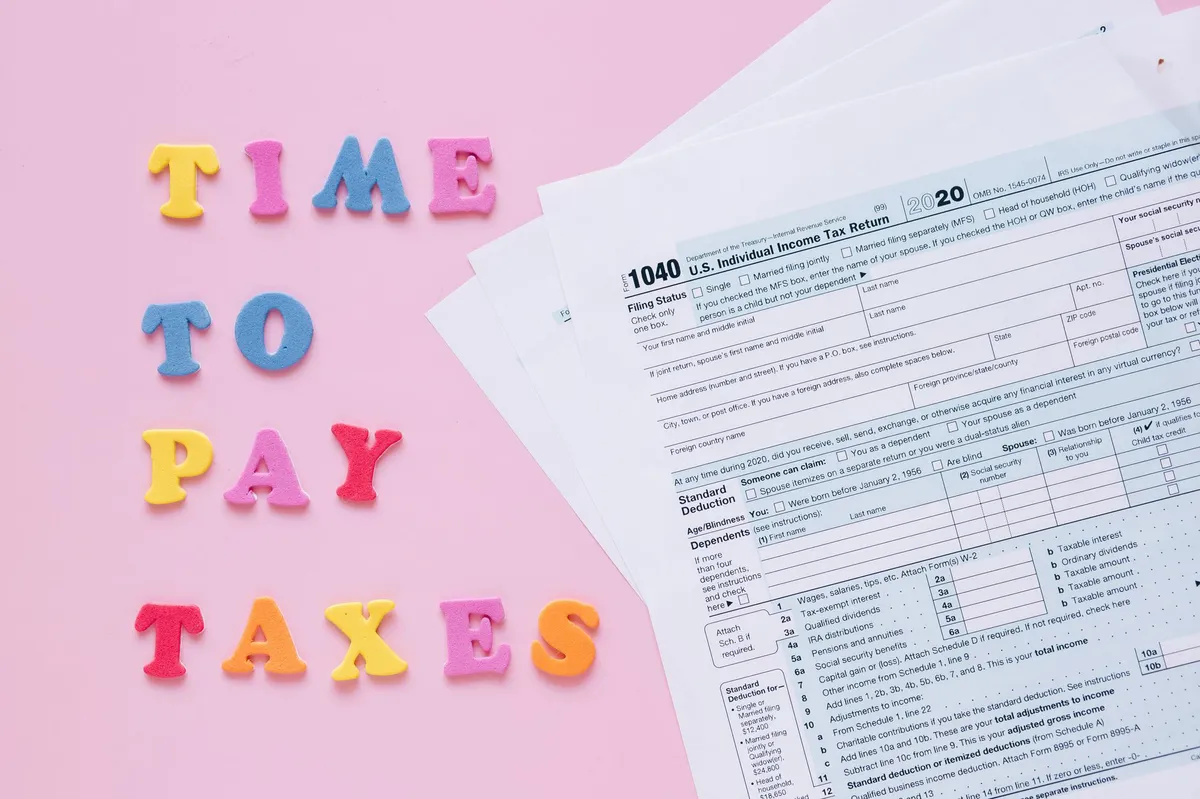
Recently, legislation has been enacted to extend tax relief for disaster victims. For instance, individuals affected by disasters in 2020 can access extended relief through mid-2025. Such legislation allows for significant deductions for uninsured losses beyond the typical limitations.
What’s New in Tax Legislation?
According to the recent updates:
- Taxpayers can deduct uninsured personal losses without the usual 10% AGI offset.
- This tax relief is available to both standard deduction claimants and those who itemize their deductions on Schedule A.
- The IRS categorizes these deductions as
Comments
Choosing the Right Trust: A Smart Move for Your Family's Future
Explore how revocable and irrevocable trusts can help ensure your heirs retain more wealth while avoiding costly probate fees. Learn the pros and cons of each option.

Related articles

Popular in Taxes
- Opportunity Zone 2.0: What Investors Need to Know for the 2027-2036 Designation
- Understanding State Capital Gains Tax Rates in 2026: A Comprehensive Guide for Investors
- Inheriting a House: Tax Implications and What You Should Know
- T-Mobile Plans and Rising Property Taxes: What You Need to Know
- Understanding the New IRS Gift Tax Exclusion for Trump Accounts