Understanding the Upcoming Federal Reserve Meeting: Implications for Rates and the Economy
As the Federal Reserve gears up for its September meeting, expectations of a rate hike loom large. This article explores the potential impacts on inflation, market dynamics, and economic growth.
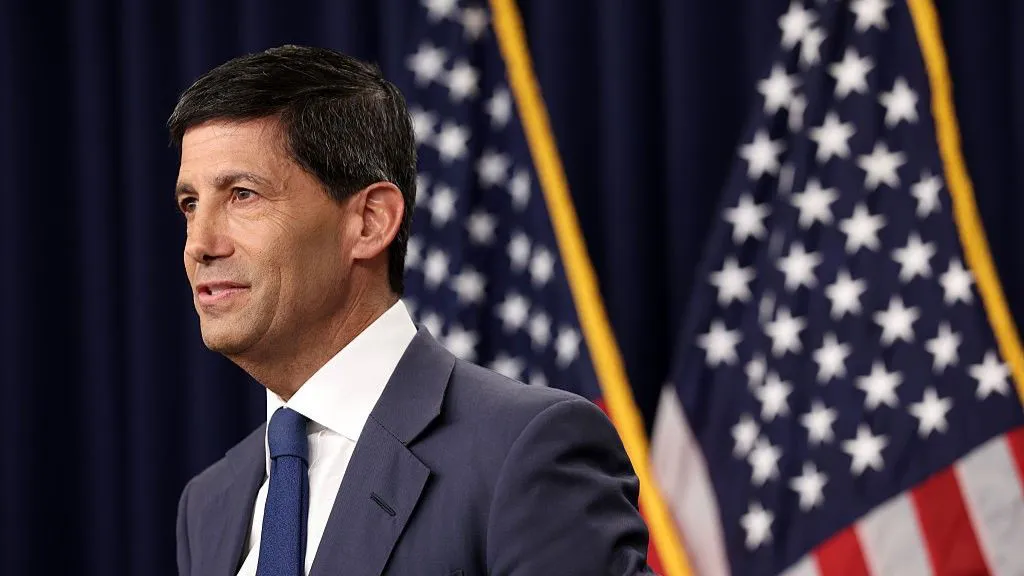
The Federal Reserve's upcoming meeting this September is drawing significant attention from economists, investors, and everyday Americans alike. As the central bank prepares for a pivotal decision on interest rates, the landscape of the economy is ripe for analysis. With inflation remaining stubbornly above the Fed's target and a labor market that shows resilience, this meeting could mark the first time since 2023 that the Fed raises the federal funds rate. Understanding the implications of this decision is crucial for anyone concerned about the economy's trajectory and their personal finances.
As we approach the meeting dates of September 15 and 16, all eyes will be on the Summary of Economic Projections (SEP) and the so-called "dot plot," which reveals individual policymakers' forecasts for future interest rates. These insights are more than just numbers; they serve as a barometer for economic conditions and monetary policy, offering clues about where the economy might be headed in the coming months.
The State of the Economy: A Fragile Balance
The current economic environment reflects a complex interplay of factors. On one hand, the labor market remains relatively strong, with job growth continuing to show promise. The August jobs report indicated a healthy level of employment, which is a positive sign for consumer spending and economic stability. Yet, on the other hand, inflation persists, driven largely by high energy prices and supply chain disruptions. The Consumer Price Index (CPI) report for August revealed that inflation is still significantly above the Fed's target of 2%, which raises the question of whether further tightening of monetary policy is necessary.
What Could a Rate Hike Mean for Consumers?
For consumers, an increase in the federal funds rate, even by just 0.25%, can have widespread implications. Here are a few key areas to consider:
- Borrowing Costs: A higher federal funds rate generally leads to increased interest rates on loans, including mortgages, car loans, and credit cards. For instance, if you have a variable-rate mortgage, your monthly payment could increase, impacting your overall budget.
- Savings Accounts: Conversely, savers may benefit from higher interest rates on savings accounts and CDs, allowing them to earn more on their deposits.
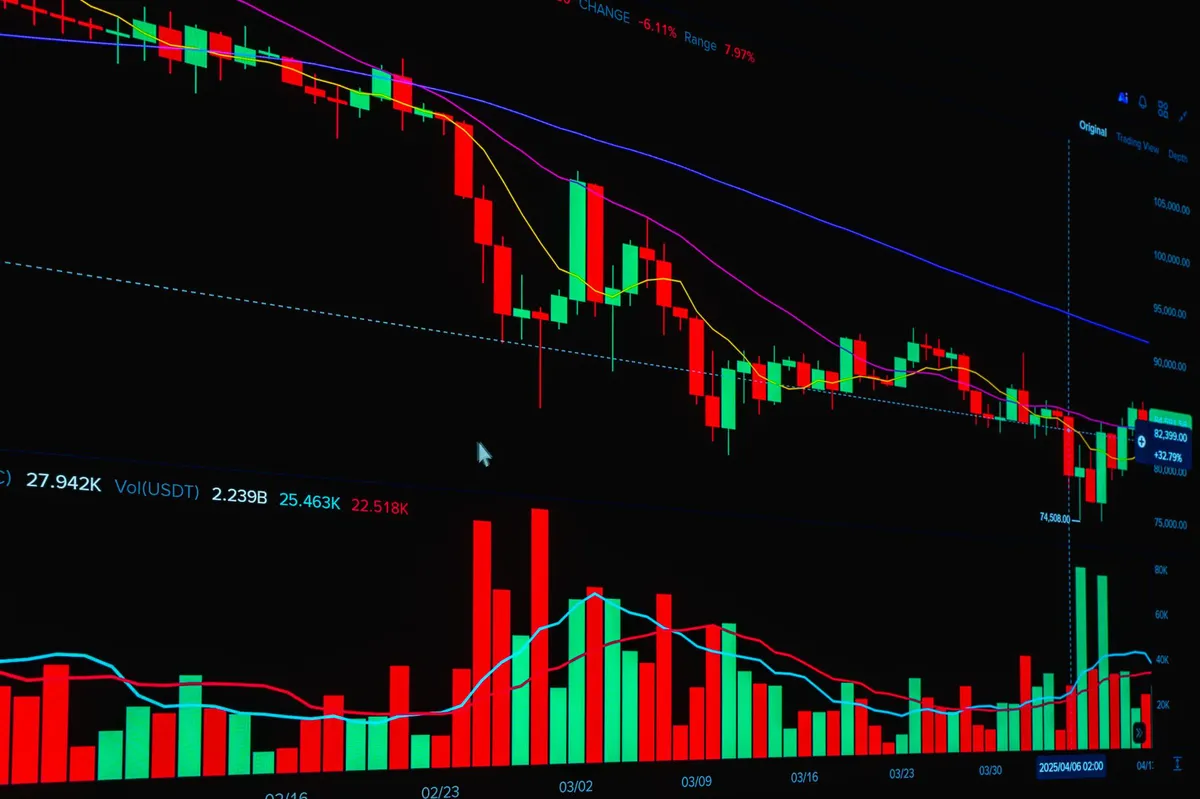
- Investment Strategies: Stock markets often react negatively to rate hikes due to fears of reduced borrowing and spending. Investors may need to reassess their portfolios in a rising interest rate environment.
The Role of the Federal Open Market Committee
The Federal Open Market Committee (FOMC), which is responsible for setting interest rates, consists of 12 members, including the Fed chair, vice chair, and several regional Fed presidents. As the committee prepares for its meeting, various members will weigh in on the economic conditions and offer their perspectives on whether to raise rates. Notably, Fed Chair Kevin Warsh's stance on this issue will be crucial, as he has previously advocated for a cautious approach to monetary policy.
Who Votes and How Decisions Are Made
The FOMC comprises eight permanent voting members and four rotating members, ensuring a diverse range of opinions. The voting structure is critical because it reflects the economic conditions across different regions of the United States, allowing for policies that consider local economic challenges. The current voting members include:
- Fed Chair Kevin Warsh
- Vice Chair Philip Jefferson
- Fed Governors Michael Barr, Michelle Bowman, Lisa Cook, Jerome Powell, Christopher Waller
- New York Fed President John Williams
- Cleveland Fed President Beth Hammack
- Minneapolis Fed President Neel Kashkari
- Dallas Fed President Lorie Logan
- Philadelphia Fed President Anna Paulson

The Market's Reaction and Future Outlook
Investors are acutely aware of how Fed decisions impact the financial markets. The bond market, in particular, is sensitive to interest rate changes. As the Fed prepares to announce its decision, futures traders are pricing in a 93% likelihood of a rate hike this month. This sentiment is reflected in the stock market, which has shown volatility in recent days amid fears of economic slowdown and rising oil prices.
What to Expect After the Meeting
Post-meeting, the SEP and dot plot will provide essential insights into the Fed's economic outlook. In June, the dot plot indicated that the federal funds rate could reach 3.8% by the end of 2026, suggesting further increases are on the horizon. Investors will be looking for any revisions to this projection, especially in light of recent inflation data that could prompt more aggressive action from the Fed.
Key Takeaways
- The Federal Reserve is expected to raise interest rates at its September meeting for the first time since 2023.
- Inflation remains a primary concern, driven by high energy costs and persistent price pressures.
- The decisions made by the FOMC will have widespread implications for consumers in terms of borrowing costs and savings.
- The dot plot and SEP will offer insights into future monetary policy directions.
Frequently Asked Questions
What happens if the Fed raises interest rates?
If the Federal Reserve raises interest rates, it typically leads to higher borrowing costs for consumers and businesses. This means that loans for homes, cars, and credit cards may become more expensive, which could dampen consumer spending. However, savers might benefit from higher interest rates on savings accounts, allowing them to earn more on their deposits.
How often does the Federal Reserve meet to discuss interest rates?
The Federal Open Market Committee meets eight times a year, approximately once every six weeks. These meetings are crucial as they determine the monetary policy direction of the United States, including setting the federal funds rate.
What is the dot plot, and why is it important?
The dot plot is a visual representation of the individual members' projections for future interest rates. Each dot represents a member's forecast for the federal funds rate at the end of each year over a specified period. This tool is important because it provides insights into the committee's collective outlook on monetary policy and can influence market expectations.
How does inflation affect interest rates?
Inflation and interest rates are closely linked; as inflation rises, the Fed may increase interest rates to cool the economy and bring inflation back down to its target. This is because higher rates can reduce borrowing and spending, which helps to mitigate inflationary pressures.
Disclaimer: This content is educational, not financial advice.
Comments
Popular in Banking
- AI Revolution: HDFC Bank's Workforce Reduction and Future of Banking
- JPMorgan Chase Reports Record Profits: What It Means for Banking and Consumers
- UniCredit's Bold Play for Commerzbank: Merging Two European Giants
- Are 7% Interest Savings Accounts a Thing of the Past?
- Impact of New Lending Guidelines on Immigrants in the U.S.