Navigating the Fed's Interest Rate Decision: Impacts and Market Reactions
As the Federal Reserve prepares to raise interest rates for the first time since 2023, we explore the implications for consumers, investors, and the broader economy amidst persistent inflation.

The world of finance is abuzz as the Federal Reserve (the Fed) gears up for a pivotal decision regarding interest rates. After a period of holding rates steady since 2023, traders and economists are anticipating a hike of 25 basis points, a move that would signal a shift in the Fed's approach to managing inflation. With inflation remaining stubbornly high, driven in part by geopolitical tensions and supply chain disruptions, the Fed faces mounting pressure to take decisive action. This article delves into the implications of this expected rate hike for consumers, investors, and the economy at large.
The Current Economic Landscape
Inflation has been a hot-button issue for the past few years, consistently hovering above the Fed's target of 2%. As of now, inflation is influenced by a variety of factors, including the ongoing conflict in the Middle East, which has exacerbated energy prices and contributed to the rising cost of goods. According to the Labor Department's Consumer Price Index, recent data indicates that inflation has surged again, reinforcing expectations of a rate increase at the Fed's upcoming meeting.
Understanding the Federal Funds Rate
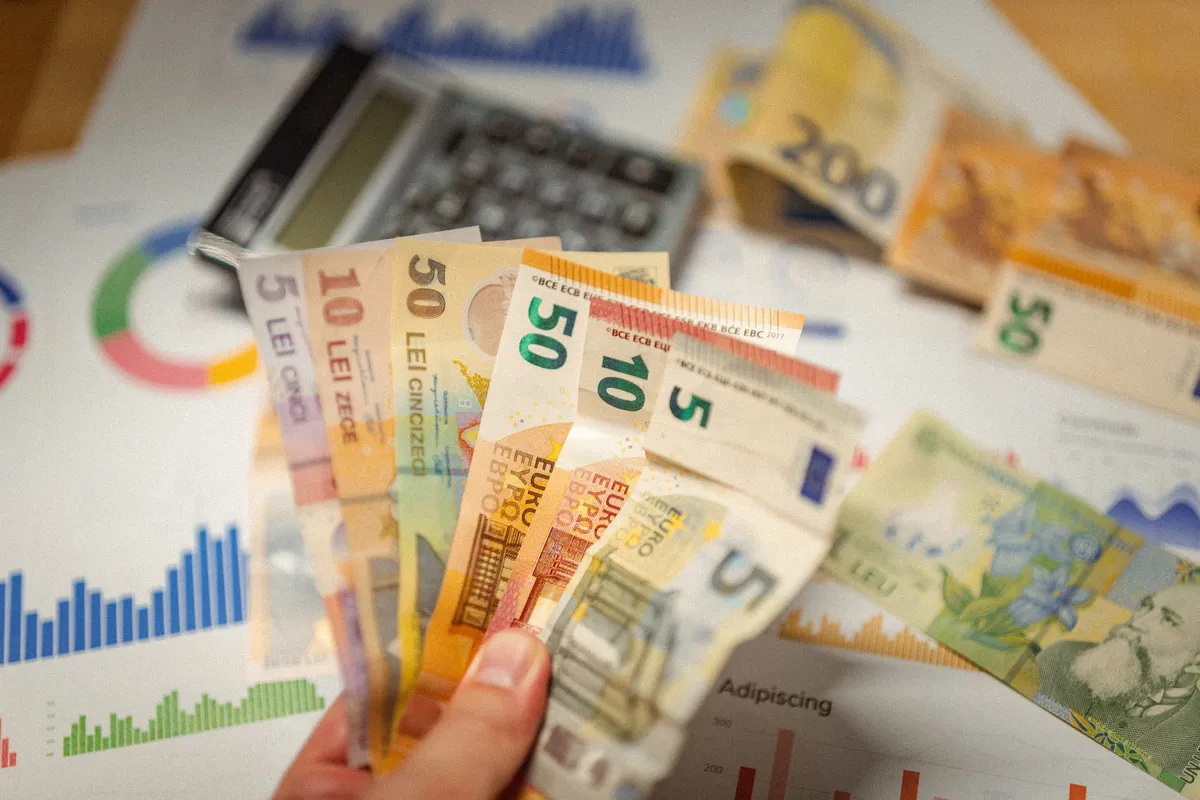
The Federal Funds Rate is the interest rate at which banks lend to each other overnight. This rate serves as a benchmark for various financial products, including mortgages, personal loans, and savings account interest rates. When the Fed raises this rate, borrowing costs increase, which can slow down consumer spending and business investments—two key components of economic growth.
What Traders and Investors Are Anticipating
As the Fed convenes for its meeting, traders are pricing in a 92% probability of a rate hike. This sentiment reflects a broader consensus among market analysts that the Fed must act to curb inflation that has persisted for more than five years. The Fed's decision will likely influence not only interest rates but also the trajectory of the stock market.
- Rate Hike Probability: 92% chance of a 25 basis point increase.
- Impact on Borrowing Costs: Higher rates will affect credit card interest, mortgage rates, and personal loans.
- Stock Market Reactions: Historically, stocks may experience short-term declines following a rate hike but tend to recover within months.
The Fed's Dot Plot: Insights into Future Rate Decisions
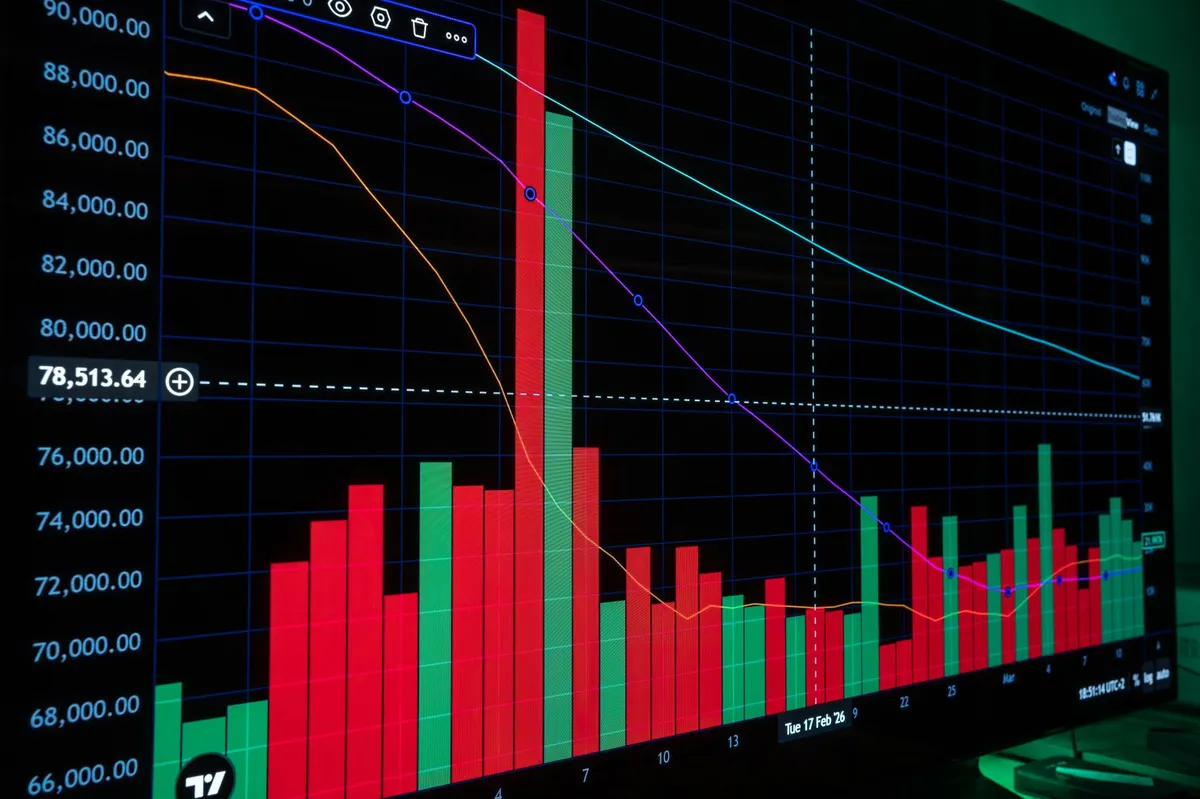
One critical tool for understanding the Fed's future policy direction is the dot plot, which illustrates the interest rate projections of the Federal Open Market Committee (FOMC) members. Each dot represents the individual forecast of a committee member, providing insight into where they believe interest rates should head over the next few years. The dot plot is updated quarterly, allowing investors to gauge the Fed's sentiment regarding economic recovery and inflation management.
The Political Landscape and Its Influence
The Fed's decisions are not made in a vacuum. Political pressures, particularly from the White House, can complicate the Fed's actions. President Trump has made headlines with his comments urging the Fed to lower interest rates, arguing that the U.S. should have the lowest rates globally. This political backdrop adds another layer of complexity to the Fed's decision-making process and may influence how the market reacts to their announcements.

What Consumers Should Know
For everyday Americans, the Fed's interest rate decisions can have direct consequences. Here are a few things to consider:
- Loan Costs: If rates rise, expect higher costs for mortgages, car loans, and credit card interest.
- Savings Growth: Conversely, higher rates might benefit savers with increased interest on savings accounts.
- Market Volatility: Be prepared for fluctuations in the stock market as investors react to the news.
Key Takeaways
- The Fed is poised to raise interest rates for the first time in three years, likely by 25 basis points.
- Inflation remains a significant concern, with pressures stemming from geopolitical issues and supply chain disruptions.
- The dot plot provides insights into policymakers' future expectations regarding interest rates.
- Consumers should prepare for potential increases in borrowing costs and changes in savings interest rates.
Frequently Asked Questions
How will a rate hike affect my mortgage?
If the Fed raises interest rates, mortgage rates are likely to increase as well. This means that if you're looking to buy a home or refinance your existing mortgage, you could face higher monthly payments. For example, a 1% increase in interest rates could raise your monthly payment by several hundred dollars, depending on the loan amount.
Should I be worried about the stock market if rates increase?
While a rate hike can lead to immediate volatility in the stock market, history shows that markets often recover in the months following an increase. Investors should consider focusing on long-term investment strategies rather than reacting impulsively to short-term market fluctuations.
What happens if inflation continues to rise even after a rate hike?
If inflation persists despite the Fed's rate increase, the central bank may have to implement more aggressive monetary policies, which could include further hikes or changes in asset purchasing programs. This could lead to increased borrowing costs and impact economic growth.
How can I prepare for the potential impacts of a rate hike?
Consumers can prepare by reviewing their financial situations, particularly regarding any debt they may have. This includes considering whether to refinance loans at current rates and maximizing savings in interest-bearing accounts before rates rise further.
This content is educational, not financial advice.
Comments
Why Opening a Certificate of Deposit (CD) Might Be Wise Before the Fed's Meeting
With potential rate hikes looming from the Federal Reserve, opening a Certificate of Deposit (CD) could be a strategic move for your finances. Explore how CD rates are influenced by Fed decisions, and learn how to secure your savings effectively.
Related articles
Popular in Banking
- AI Revolution: HDFC Bank's Workforce Reduction and Future of Banking
- JPMorgan Chase Reports Record Profits: What It Means for Banking and Consumers
- UniCredit's Bold Play for Commerzbank: Merging Two European Giants
- Are 7% Interest Savings Accounts a Thing of the Past?
- Impact of New Lending Guidelines on Immigrants in the U.S.