Federal Reserve's Stance on Inflation: Warsh's Commitment to Price Stability
Federal Reserve Chairman Kevin Warsh testifies before Congress, emphasizing a strong commitment to combat inflation and stabilize the economy. His comments set the stage for ongoing debates about interest rates and economic growth.
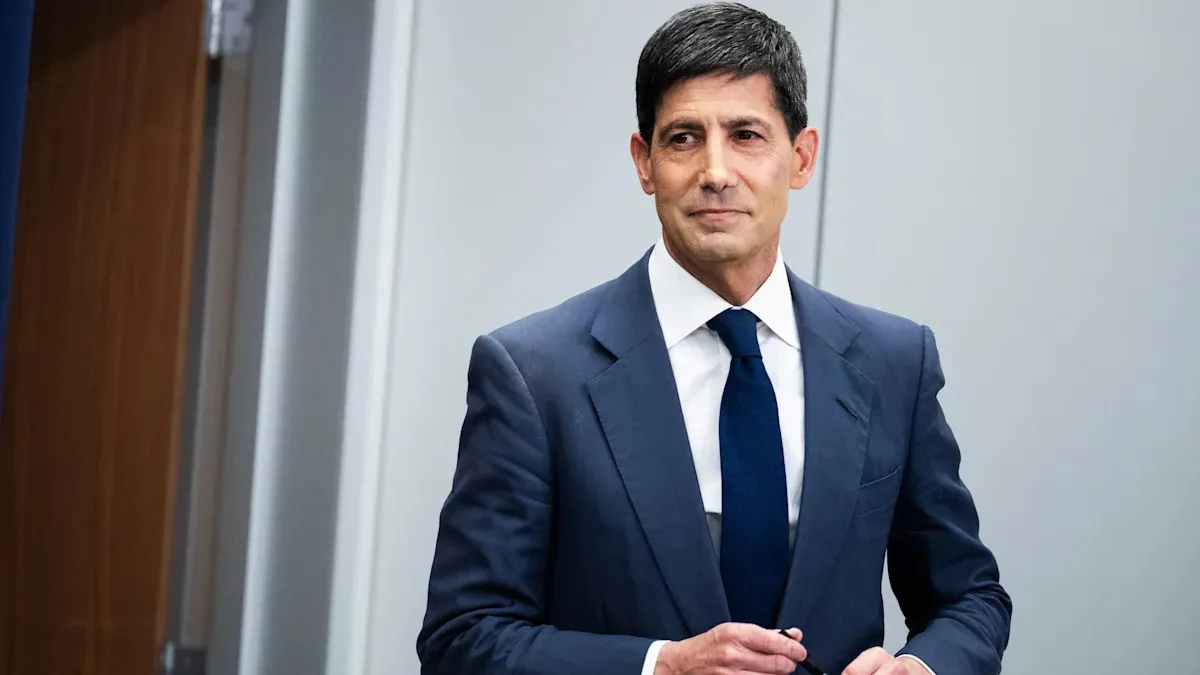
The air was charged with anticipation as Federal Reserve Chairman Kevin Warsh prepared to deliver his testimony before Congress. With inflation remaining a critical concern for American consumers and policymakers alike, Warsh's commitment to maintaining price stability was front and center. His opening statement, released ahead of the hearing, underscored a firm resolve: "If we get policy right — and we will — the inflation surge of the last five years will be a thing of the past." This declaration not only sets the tone for the Federal Reserve's future actions but also hints at the challenges ahead as the nation grapples with economic recovery.
Warsh's assertion that the Federal Reserve has "no tolerance for persistently elevated inflation" signals a potentially prolonged period of elevated interest rates. This stance is particularly significant in light of tensions with the Trump administration, which has vocally advocated for lower rates. Yet, as Warsh pointed out, the strategy to combat inflation must remain steadfast, even if it means diverging from political pressures.
Understanding the Inflation Landscape
Inflation has become a defining issue in contemporary economics, impacting everything from grocery bills to mortgage rates. The Federal Reserve's dual mandate is to promote maximum employment and stable prices, but the recent inflation surge has challenged this balance. Warsh's testimony comes after the Consumer Price Index (CPI) registered a decrease to 3.5% in June, a promising sign for policymakers. However, the complexities of inflation data reveal underlying pressures that could influence future monetary policy.
The Role of the Consumer Price Index
The CPI is a critical measure of inflation, reflecting the average change over time in the prices paid by urban consumers for a market basket of consumer goods and services. A decline in the CPI can ease concerns about inflation, but it does not eliminate the risk of price increases in the future. For instance, the recent drop was largely attributed to lower gas prices, which can be volatile due to geopolitical events and supply chain issues.
Potential Impacts on Interest Rates
Warsh's remarks indicate a cautious approach to interest rates, which are a crucial tool for controlling inflation. By keeping interest rates elevated, the Federal Reserve aims to temper consumer spending and investment, which can help cool inflationary pressures. However, this strategy comes with trade-offs.
- Consumer Borrowing Costs: Higher interest rates typically result in increased costs for loans, mortgages, and credit cards. For example, a 1% increase in mortgage rates could raise monthly payments by hundreds of dollars, significantly impacting home affordability.
- Economic Growth: Elevated interest rates can suppress economic growth by discouraging borrowing and spending. This could lead to slower job creation, affecting the overall labor market.
- Investment Shifts: As borrowing becomes more expensive, businesses may delay or scale back investments in new projects, particularly in sectors like technology and infrastructure.
Challenges Ahead: Warsh's Vision for the Economy
In his opening statement, Warsh highlighted the stability of the labor market while acknowledging the sluggishness in the housing sector. His comments suggest a nuanced understanding of the current economic landscape, where business investment, particularly in technology and artificial intelligence, remains a bright spot.
Task Forces and Strategic Initiatives
As part of his commitment to transparency and improvement, Warsh announced the formation of five new task forces aimed at enhancing the Federal Reserve's functions. These groups will focus on critical areas such as communication and data collection — key elements that can influence the effectiveness of monetary policy. The inflation task force will explore various approaches for achieving price stability, reflecting Warsh's proactive stance on addressing this complex issue.
Political and Global Considerations
Warsh's testimony occurs against a backdrop of significant political and global challenges, particularly regarding energy prices. Following President Trump's announcement of plans to reimpose a blockade in the Strait of Hormuz and charge a 20% fee on cargo, oil futures surged nearly 10%. Such geopolitical tensions could reignite inflationary pressures as energy costs rise, further complicating the Federal Reserve's efforts to maintain price stability.
This intersection of politics and economics illustrates the delicate balance the Federal Reserve must navigate as it seeks to fulfill its mandate. The potential for renewed inflation from energy prices poses questions about the effectiveness of existing monetary policies and the need for adaptive strategies.
Key Takeaways
- Warsh's commitment to combating inflation signals a likely continuation of elevated interest rates.
- The recent decline in the Consumer Price Index is encouraging but does not eliminate future inflation risks.
- The formation of task forces within the Fed aims to improve communication and tackle inflation from multiple angles.
- Geopolitical events, particularly in the energy sector, could significantly influence inflation and economic stability.
Frequently Asked Questions
What is the Federal Reserve's role in controlling inflation?
The Federal Reserve plays a pivotal role in managing inflation through monetary policy, primarily by adjusting interest rates. When inflation rises, the Fed may increase rates to discourage borrowing and spending, thereby reducing demand and stabilizing prices. Conversely, if inflation is low, the Fed can lower rates to stimulate economic growth. This balancing act is crucial for maintaining economic stability.
How does inflation impact everyday consumers?
Inflation affects consumers directly by increasing the prices of goods and services. For example, if inflation rises by 3%, a product that costs $100 today would cost $103 in a year. Higher inflation can erode purchasing power, meaning consumers can buy less with the same amount of money. This is particularly concerning for households on fixed incomes, such as retirees, who may struggle to keep up with rising costs.
What can individuals do to protect themselves from inflation?
To safeguard against inflation, individuals can consider investment strategies that traditionally outperform inflation, such as stocks, real estate, or inflation-protected securities (TIPS). Additionally, maintaining a budget and being mindful of spending can help families navigate rising costs. Investing in skills and education can also enhance earning potential, providing a buffer against inflation's impact on wages.
What are the implications of elevated interest rates for borrowers?
Elevated interest rates can significantly impact borrowers, making loans, mortgages, and credit more expensive. For instance, a 1% increase in mortgage rates could add hundreds of dollars to monthly payments, impacting affordability for homebuyers. Additionally, higher rates can influence credit card interest, increasing the cost of carrying debt. Borrowers should be aware of these potential costs and plan accordingly.
This content is educational, not financial advice.
Comments
Popular in Banking
- AI Revolution: HDFC Bank's Workforce Reduction and Future of Banking
- JPMorgan Chase Reports Record Profits: What It Means for Banking and Consumers
- UniCredit's Bold Play for Commerzbank: Merging Two European Giants
- Are 7% Interest Savings Accounts a Thing of the Past?
- Impact of New Lending Guidelines on Immigrants in the U.S.