Navigating the Federal Reserve's Interest Rate Landscape in 2026
As the Federal Reserve deliberates on interest rates, understanding the implications for consumers is crucial. This article explores potential rate changes, their historical context, and strategies to prepare financially.
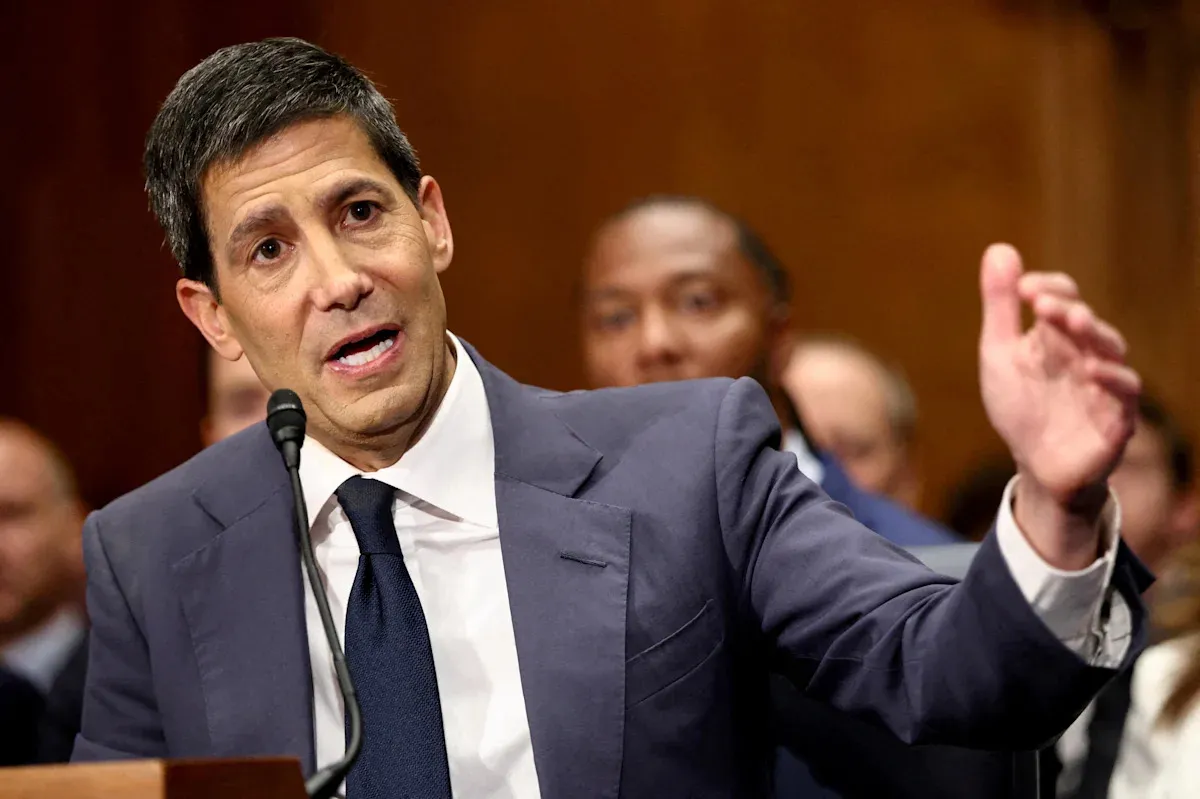
As we progress through 2026, the Federal Reserve's stance on interest rates remains a pivotal topic for economists and consumers alike. While many initially speculated that the Fed might cut rates this year, recent trends suggest a different trajectory. Instead of lowering the federal funds rate, there is a growing possibility of an increase before the year concludes, as economic indicators and geopolitical tensions shape the Fed's decision-making process.
The Federal Open Market Committee (FOMC), chaired by Kevin Warsh, recently announced that the target range for the federal funds rate would remain between 3.50% and 3.75%. This decision came amidst concerns about economic stability due to various factors, including ongoing conflicts in the Middle East. With the Fed's next meetings on the horizon, consumers are left wondering how these developments might impact their financial situations.
Understanding the Federal Funds Rate
The federal funds rate is the interest rate at which banks lend to each other overnight. This rate, although not directly imposed on consumers, influences a range of financial products, including loans, mortgages, and savings accounts. It acts as a benchmark for interest rates across various sectors, making it a crucial element in the Federal Reserve's efforts to manage inflation and stimulate economic growth.
When inflation rises, the Fed typically increases the federal funds rate to curb spending and stabilize prices. Conversely, in times of economic downturn, lowering the rate can encourage borrowing and investment. For consumers, understanding these mechanics is essential, as shifts in the federal funds rate can lead to significant changes in borrowing costs and yields on savings accounts.
The Historical Context of Interest Rates
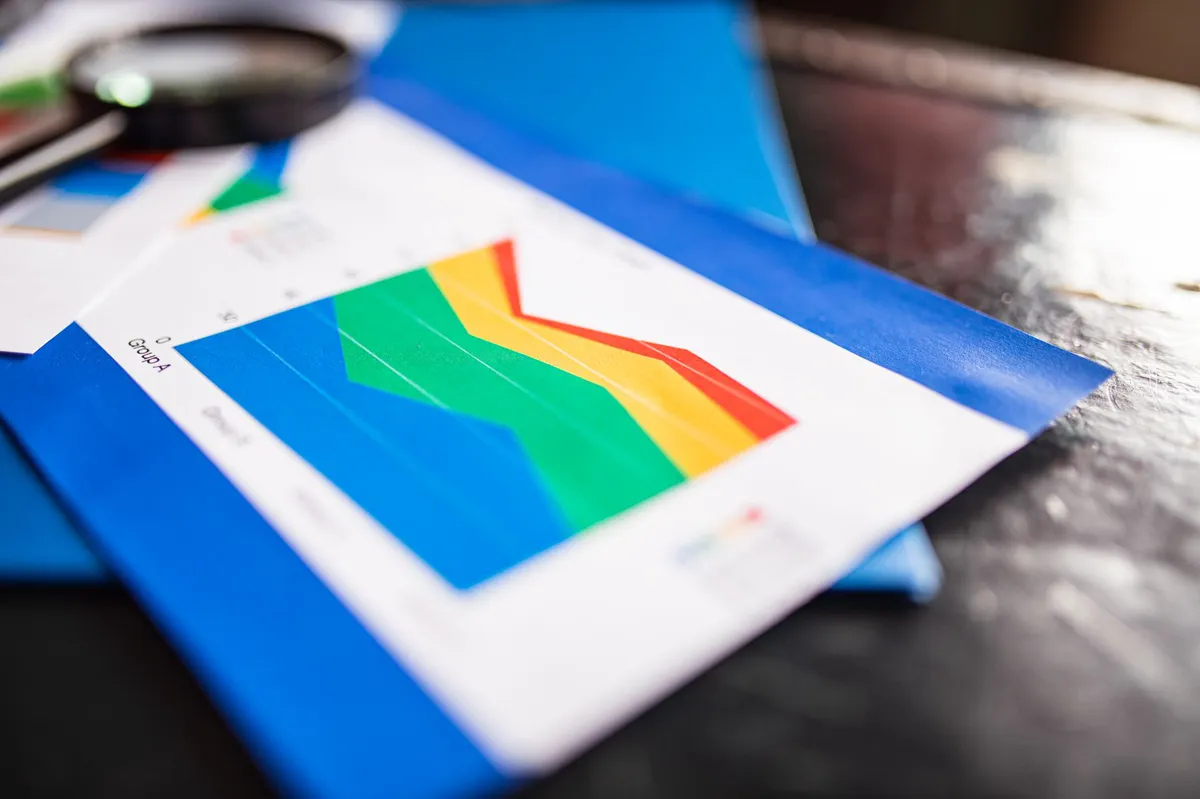
The trajectory of the federal funds rate has seen dramatic shifts in recent years. Following a peak inflation rate in June 2022, the Fed embarked on a series of aggressive rate hikes, bringing the rate to its highest levels since 2006. By July 2023, the federal funds rate reached a target range of 5.25% to 5.5%. However, by late 2025, a series of cuts brought the rate down to its current range of 3.5% to 3.75%. Yet, with no cuts announced in 2026 thus far, many experts anticipate further adjustments as economic conditions evolve.
Recent data indicates that inflation remains a concern, with energy prices fluctuating due to global tensions. The Fed's dot plot, which outlines members' expectations for future rate changes, suggests at least one potential rate hike could occur later in 2026. Economic analysts, like Gary Pzegeo from CIBC Private Wealth, caution that any geopolitical instability could further complicate these forecasts.
Potential Impacts of Future Rate Changes
As consumers await the Fed's next moves, it is essential to consider how potential rate hikes could affect personal finances:
- Borrowing Costs: If the Fed raises rates, the cost of borrowing will likely increase. This means higher interest rates on variable-rate debts such as credit cards and personal loans.
- Loan Applications: For those considering mortgages or car loans, securing a fixed interest rate before any potential hikes can lead to significant savings over time.
- Savings Rates: In the event of a rate increase, banks may offer higher interest rates on savings accounts and CDs, providing consumers with better returns on their deposits.
- Investment Strategy: Understanding the Fed's interest rate policies can help investors make informed decisions regarding their portfolios, particularly in the realms of fixed-income investments.
Strategies to Prepare for Rate Changes
Given the uncertainty surrounding the Federal Reserve's next steps, there are several proactive measures consumers can take to position themselves favorably:
1. Pay Down High-Interest Debt
With the potential for increased borrowing costs, now is the time to focus on reducing high-interest debt. Prioritize paying off credit card balances and other variable-rate loans to minimize the impact of future rate hikes on your finances.
2. Refinance or Lock in Fixed Rates
If you are considering taking out a loan, whether for a home or a vehicle, look to secure a fixed interest rate now. This can shield you from rising rates and save you money over the loan's duration.
3. Boost Your Emergency Fund
Enhancing your cash reserves can provide a financial cushion against unexpected expenses, especially if borrowing becomes more costly. Aim to save at least three to six months' worth of living expenses to avoid relying on high-interest credit options.
4. Shop for Competitive Savings Rates
As rates rise, banks may offer improved yields on high-yield savings accounts and CDs. Take the time to compare rates from different institutions to ensure you are maximizing your savings potential.
5. Consider a CD Ladder
Building a Certificate of Deposit (CD) ladder allows you to take advantage of rising rates while still earning competitive interest on your current investments. This strategy involves staggering your CD maturities to balance liquidity and yield.
Key Takeaways
- The Federal Reserve's current target rate stands at 3.50%-3.75%.
- Experts predict the likelihood of at least one rate hike in 2026.
- Rate changes can significantly impact borrowing costs and savings yields.
- Taking proactive financial measures can help cushion against rising interest rates.
- Understanding the Fed's policies is crucial for informed financial decision-making.
Frequently Asked Questions
What factors influence the Federal Reserve's decision on interest rates?
The Federal Reserve considers a multitude of factors when determining interest rates, including inflation rates, employment data, economic growth, and external geopolitical events. The FOMC meets regularly to assess these indicators and adjust monetary policy accordingly.
How do changes in the federal funds rate affect my personal finances?
Changes to the federal funds rate can have a direct impact on various aspects of personal finance. For example, an increase in the rate typically leads to higher interest rates on loans and credit cards, making borrowing more expensive. Conversely, it may also result in better returns on savings accounts and fixed-income investments.
When can we expect the next Federal Reserve meeting?
The Federal Reserve meets eight times a year to discuss monetary policy and review the health of the economy. The schedule for these meetings is made public in advance, and consumers can stay informed about upcoming discussions to better understand potential rate changes.
Should I be concerned about rising interest rates?
While rising interest rates can present challenges, particularly for borrowers, they can also create opportunities for savers. It's essential to evaluate your personal financial situation and make adjustments as necessary to mitigate any adverse effects while capitalizing on potential benefits.
This content is educational and not financial advice.
Comments
CD Ladder vs. Bond Ladder: Choosing the Right Strategy for Interest Growth
Explore the differences between CD ladders and bond ladders, two popular strategies for maximizing interest on savings. Understand their mechanics, pros and cons, and how to choose the best fit for your financial goals.
Related articles
Popular in Banking
- AI Revolution: HDFC Bank's Workforce Reduction and Future of Banking
- JPMorgan Chase Reports Record Profits: What It Means for Banking and Consumers
- UniCredit's Bold Play for Commerzbank: Merging Two European Giants
- Are 7% Interest Savings Accounts a Thing of the Past?
- Impact of New Lending Guidelines on Immigrants in the U.S.