Federal Reserve's July Meeting: Key Insights and Implications for Your Finances
The Federal Reserve's July meeting raises questions about interest rates amid inflation pressures and geopolitical tensions. Understanding these dynamics can help you navigate your financial future.

The Federal Reserve's July meeting has arrived, bringing with it a mix of anticipation and uncertainty for investors, consumers, and policymakers alike. As inflation remains a pressing concern and geopolitical tensions fluctuate, the decisions made by the central bank can have wide-ranging impacts on the economy and personal finances. This month's meeting, which concludes on July 29, is particularly critical as it will set the tone for monetary policy in the months ahead. With oil prices spiking and inflationary pressures looming, understanding the Fed's actions is essential for anyone looking to make informed financial decisions.
The recent volatility in oil prices, driven by ongoing tensions between the U.S. and Iran, has contributed to a complex economic landscape. Crude futures are up approximately 20% in July alone, leading to concerns about rising inflation rates. This backdrop has Wall Street closely monitoring the Federal Open Market Committee (FOMC) and its deliberations regarding interest rates. Federal Reserve Chair Kevin Warsh's upcoming press conference is expected to shed light on the central bank's strategies, especially given the lack of new economic projections.
The Role of the Federal Reserve
The Federal Reserve plays a pivotal role in the U.S. economy, primarily by influencing interest rates and regulating the money supply. Through its monetary policy tools, the Fed aims to achieve maximum employment, stable prices, and moderate long-term interest rates. The FOMC, which meets regularly to set these policies, consists of 12 members, including the Fed chair, the vice chair, and regional Fed presidents.
Understanding Interest Rates
Interest rates are critical as they affect borrowing costs for consumers and businesses. When the Fed raises rates, it typically aims to curb inflation by making loans more expensive, thus slowing down spending and investment. Conversely, lowering rates is intended to stimulate borrowing and spending, fostering economic growth. The current range for the federal funds rate is between 3.5% and 3.75%, a level that has remained stable since the previous FOMC meeting.
Current Economic Landscape
The economic environment leading up to the July Fed meeting is marked by several key factors:
- Inflation Pressures: Recent economic indicators suggest that inflation remains stubbornly high, driven in part by rising energy prices and supply chain disruptions.
- Geopolitical Tensions: The ongoing conflict between the U.S. and Iran has created uncertainty in oil markets, contributing to volatility that can affect consumer prices.
- Corporate Spending: Major companies, particularly in the tech sector, are ramping up capital expenditures to support emerging technologies like artificial intelligence (AI), which can be sensitive to interest rate fluctuations.
- Market Reactions: As investors digest the Fed's potential moves, stock market performance—including indices like the Dow Jones and S&P 500—will reflect broader economic sentiments.
What to Expect from the July Meeting
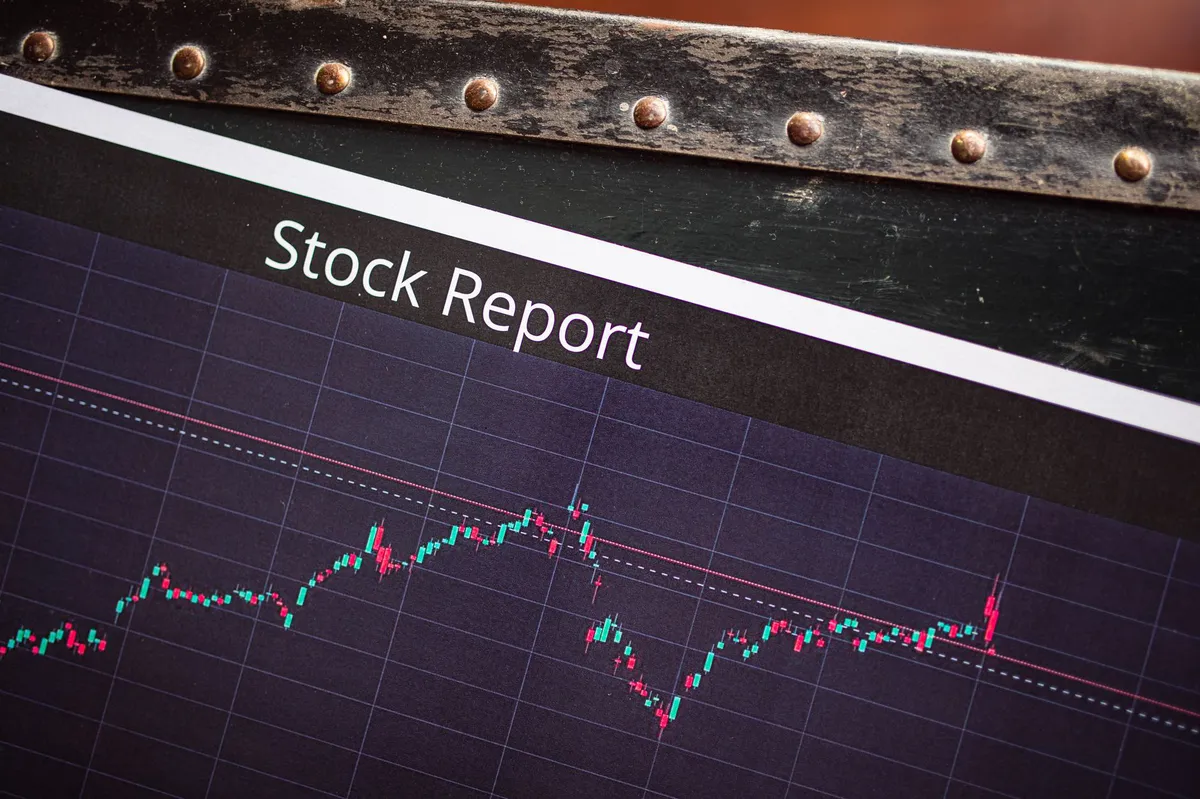
Market analysts suggest that the July Fed meeting is a “live” one, with increasing speculation about potential interest rate hikes. As of now, futures traders are pricing in a 36% chance of a quarter-percentage-point increase, up from 16% the previous week. This growing probability highlights the market's nervousness about inflation and economic stability.
The Impact of Inflation on Big Tech
Higher inflation rates and interest rates are particularly concerning for large technology companies that have recently shifted their funding strategies. Many of these firms, which previously relied on robust cash flow to finance their operations, are now seeking external capital. For instance, Alphabet has increased its capital expenditure budget significantly, raising questions about whether the investments in AI will yield timely returns given the higher cost of capital.
Key Players in the Fed Meeting
The FOMC is composed of 12 voting members, including key figures such as:
- Chair Kevin Warsh
- Vice Chair Philip Jefferson
- New York Fed President John Williams
- Regional Fed Presidents from Cleveland, Minneapolis, and Dallas
Conclusion: Preparing for the Future
As the Fed prepares to deliberate on interest rates, understanding the implications of their decisions is crucial for consumers and investors. If rates rise, it could affect everything from mortgage and loan rates to credit card interest rates. On the other hand, maintaining the status quo could signal a continued effort to support economic growth in the face of inflationary pressures. Regardless of the outcome, staying informed will empower individuals to navigate their financial decisions more effectively.
Key Takeaways
- The July Fed meeting is critical amid rising inflation and geopolitical tensions.
- Interest rates impact borrowing costs for consumers and businesses.
- Major tech firms are increasingly dependent on external funding due to rising expenditures.
- Market speculation is high regarding potential interest rate hikes.
Frequently Asked Questions
What factors influence the Fed's decision on interest rates?
The Fed considers various economic indicators, including inflation rates, employment figures, and geopolitical developments. Rising inflation often prompts the Fed to increase interest rates to stabilize prices, while low inflation may lead to rate cuts to stimulate growth.
How do interest rate changes affect individual consumers?
Changes in interest rates directly impact borrowing costs for mortgages, car loans, and credit cards. A rate increase typically makes loans more expensive, leading to higher monthly payments, while a decrease can lower borrowing costs and stimulate consumer spending.
What is the significance of the FOMC's voting members?
The voting members of the FOMC bring diverse perspectives on monetary policy, influenced by regional economic conditions and personal philosophies. Their collective decisions shape the central bank's approach to managing inflation and fostering economic growth.
How can I stay informed about Fed decisions and their impact?
Monitoring financial news outlets, the Federal Reserve's official website, and market analysis can provide insights into the Fed's decisions and their implications for the economy. Engaging with financial advisors can also help individuals tailor their financial strategies in response to changing economic conditions.
This content is educational, not financial advice.
Comments
Top Banks for Families in 2026: A Comprehensive Guide
Explore the best banking options for families in 2026, highlighting institutions that offer child-friendly accounts and competitive rates. Discover how to manage family finances effectively.

Related articles


Popular in Banking
- AI Revolution: HDFC Bank's Workforce Reduction and Future of Banking
- JPMorgan Chase Reports Record Profits: What It Means for Banking and Consumers
- UniCredit's Bold Play for Commerzbank: Merging Two European Giants
- Are 7% Interest Savings Accounts a Thing of the Past?
- Impact of New Lending Guidelines on Immigrants in the U.S.