Navigating Fed Uncertainty: What the Latest Rate Decision Means for You
The Federal Reserve's recent meeting under Chair Kevin Warsh has left markets in suspense. With inflation data conflicting and geopolitical tensions rising, the implications for interest rates and your finances are crucial.

The Federal Reserve's two-day meeting ending July 29, 2026, led by new Chair Kevin Warsh, has captured the attention of financial markets and consumers alike. Unlike his first meeting in June, where the decision to hold interest rates steady was anticipated, this time the outcome is shrouded in uncertainty. As inflation data shows signs of cooling while geopolitical tensions rise, understanding the implications of the Fed's decisions is more critical than ever.
As the world navigates this complex economic landscape, the decisions made by the Federal Reserve regarding interest rates can significantly impact everything from mortgage rates to consumer loans and even investment strategies. The split opinions among market participants reflect the broader concern that consumers and investors should be aware of, as their financial futures may hinge on the Fed’s next moves.
The Current Economic Landscape
The Federal Open Market Committee (FOMC) meeting is a routine event that often serves as a bellwether for the economy. However, the current situation is anything but typical. On one hand, June's inflation report indicated a decline in inflation from 4.2% to 3.5%, which traditionally would signal to the Fed that it has room to maintain interest rates. On the other hand, renewed tensions between the U.S. and Iran have caused oil prices to spike, raising concerns about potential inflationary pressures that could lead to higher interest rates.
Understanding Inflation and Interest Rates
Inflation refers to the rate at which the general level of prices for goods and services rises, eroding purchasing power. The Federal Reserve typically adjusts interest rates as a tool to control inflation; raising rates can cool spending and investment, while lowering them can stimulate the economy. Thus, the Fed's decision-making process is closely monitored by economists, traders, and consumers alike.
Market Reactions and Predictions
The uncertainty surrounding the Fed's decision has created a volatile atmosphere in financial markets. According to the CME Group's FedWatch tool, there is currently a **70.6% probability** that the Fed will hold rates steady in the **350 to 375 basis point range**, while a **29.4% chance** exists for a **25 basis point hike**. This marks a subtle shift from a month ago when the chances were nearly identical, showcasing how quickly market sentiments can evolve.
- 70.6% probability of maintaining current rates
- 29.4% probability of a rate increase
- Inflation decreased from 4.2% to 3.5%
Kevin Warsh's Approach to the Fed
Kevin Warsh, who is just beginning his tenure as Fed Chair, has already signaled a shift in how the Fed communicates its policy decisions. Unlike his predecessors, Warsh has indicated that he plans to provide significantly less forward guidance, which has left traders and investors feeling uneasy. Forward guidance is a tool used by central banks to communicate future policy intentions, and a reduction in this practice can lead to increased volatility in financial markets.
Creating New Task Forces
In addition to altering communication strategies, Warsh has initiated the formation of new task forces aimed at re-evaluating the Fed's operational framework. These changes may lead to more significant shifts in policy over time, potentially impacting everything from interest rates to the overall economic outlook.
The Impact on Cryptocurrency and Consumer Markets
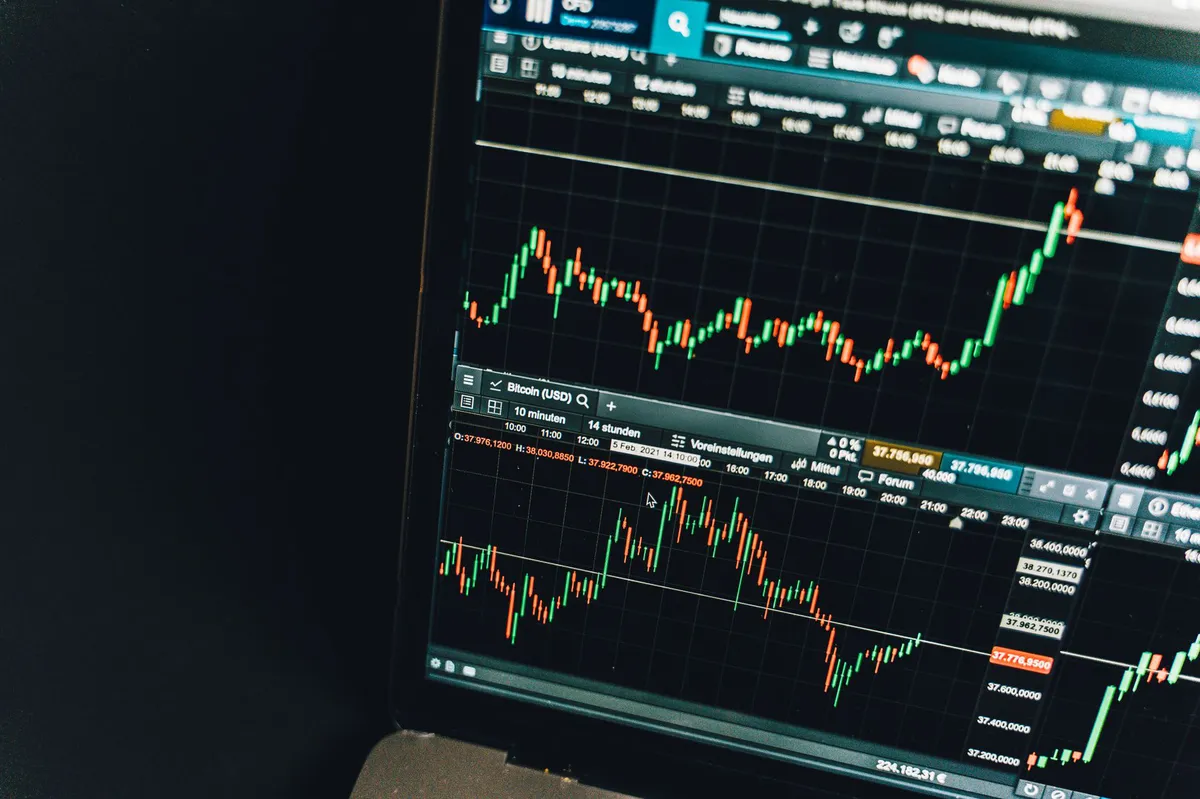
The uncertainty surrounding the Fed's decisions is not limited to traditional markets; it is also affecting cryptocurrencies. As of late July, Bitcoin has seen a decline in value, dropping to approximately **$63,763**, while the total cryptocurrency market capitalization has decreased by about **3%** to **$2.18 trillion**. This apprehension is reflected in the Crypto Fear and Greed Index, which has fallen to **34**, indicating rising fear among traders.
What This Means for Consumers
For everyday consumers, the Fed's decisions can ripple through the economy in numerous ways. Higher interest rates can lead to increased costs for borrowing, affecting everything from credit card interest rates to mortgage payments. If rates rise, potential homebuyers may face higher monthly payments, which could cool down the housing market. Conversely, if the Fed holds rates steady, it may provide a more favorable environment for consumers looking to finance purchases or invest in opportunities.
What Should You Do Next?
As the Fed meeting concludes and the decision is announced, it’s essential for consumers and investors to remain informed about the implications of these changes. Here are some steps to consider:
- **Stay Informed**: Keep up with economic news and the Fed's decisions to understand how they may affect your finances.
- **Evaluate Your Debt**: If you have variable-rate loans, consider locking in fixed rates before any potential hikes.
- **Monitor Investments**: Be aware of how interest rate changes can impact your investment portfolio, especially in sectors sensitive to borrowing costs.
Key Takeaways
- The Fed's recent meeting has created uncertainty in financial markets.
- There is a significant probability of maintaining current interest rates amid inflation concerns.
- Kevin Warsh's leadership style may lead to less predictable Fed communication.
- Cryptocurrency markets are showing signs of caution ahead of the Fed's decision.
Frequently Asked Questions
What is the Federal Reserve's role in the economy?
The Federal Reserve, or the Fed, is the central banking system of the United States. Its primary roles include regulating the money supply, managing inflation, and overseeing the stability of the financial system. The Fed uses various tools, including interest rate adjustments, to influence economic activity.
How do interest rates affect my personal finances?
Interest rates directly impact borrowing costs for loans, mortgages, and credit cards. When rates rise, borrowing becomes more expensive, which can lead to higher monthly payments. Conversely, lower rates can make borrowing more affordable, stimulating consumer spending and investment.
What should I do if rates go up?
If interest rates are expected to rise, consider consolidating high-interest debt or locking in fixed-rate loans to secure lower payments. Additionally, review your investment strategy, as higher rates can affect stock market performance and borrowing costs for businesses.
How can I stay updated on the Federal Reserve's decisions?
To stay informed about the Fed's actions, consider following reputable financial news outlets, subscribing to economic newsletters, and monitoring the Fed's official website for press releases and meeting summaries. Staying informed can help you make timely financial decisions.
This content is educational, not financial advice.
Comments
Maximizing Your $10,000: Best Savings Strategies for 2026
With inflation still a concern, learn the best ways to store your $10,000 for growth and liquidity. Explore high-yield accounts, CDs, and more.
Related articles
Popular in Banking
- AI Revolution: HDFC Bank's Workforce Reduction and Future of Banking
- JPMorgan Chase Reports Record Profits: What It Means for Banking and Consumers
- UniCredit's Bold Play for Commerzbank: Merging Two European Giants
- Are 7% Interest Savings Accounts a Thing of the Past?
- Impact of New Lending Guidelines on Immigrants in the U.S.