Current Trends in Commercial and Industrial Loan Standards
A recent Federal Reserve survey reveals stable lending standards for commercial and industrial loans, while revealing mixed trends for consumer loans. This analysis explores the implications of these findings for businesses and consumers alike.
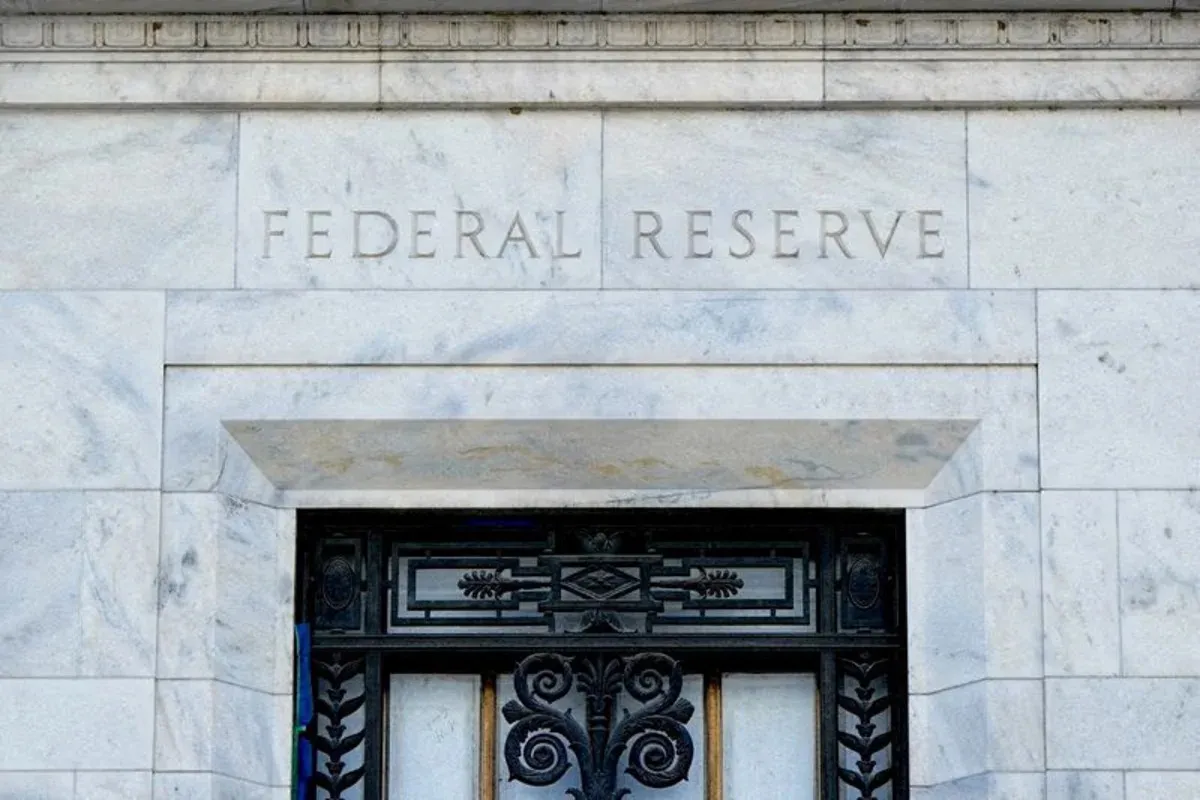
The landscape of lending in the United States is continuously evolving, influenced by a myriad of economic factors including inflation, employment rates, and overall business activity. A recent survey conducted by the Federal Reserve provides an illuminating snapshot of the current state of lending standards for commercial and industrial loans, alongside trends in consumer lending. As of the second quarter of 2026, the findings suggest a notable stability in lending practices for commercial loans, while consumer lending standards are exhibiting mixed signals.
Stable Lending Standards for Commercial Loans
According to the Federal Reserve's latest quarterly Senior Loan Officer Survey, lending standards for commercial and industrial (C&I) loans have remained largely unchanged. This stability is significant as it indicates a consistent willingness among banks to extend credit to businesses, particularly large and middle-market firms. The survey highlights a robust demand for C&I loans, driven by these larger businesses seeking capital for expansion, operations, and other growth initiatives.
The Role of Inflation and Economic Growth
This stability occurs against a backdrop of persistent inflation, which has been a concern for both policymakers and consumers. The current inflationary environment, where prices are rising due to supply chain disruptions and increased demand, presents challenges for businesses relying on credit to fuel their growth. Despite these pressures, the job market remains stable, contributing to sustained business confidence and lending activity. Banks have reported that lending standards for C&I loans are at the easier end of the range they have maintained since 2005, suggesting a favorable environment for business borrowing.

Mixed Signals in Consumer Lending
While commercial lending standards appear stable, the same cannot be said for consumer loans. The Federal Reserve's report indicates mixed changes in lending standards for loans to households. In particular, there has been a tightening of standards for credit card loans, despite stable demand. This tightening reflects banks' growing caution in the face of economic uncertainty, as they seek to mitigate risk in a potentially volatile consumer market.
Trends in Auto and Residential Loans
For auto loans and other consumer lending categories, standards remained unchanged; however, demand for car loans has notably eased. This decline may be linked to rising interest rates and inflation, which can strain consumer budgets and reduce the appetite for new auto purchases. Additionally, the survey noted weaker demand for residential real estate loans, indicating a potential slowdown in home-buying activity, which could be affected by higher mortgage rates and an increasingly cautious consumer sentiment.

The Implications for Small and Medium Enterprises
Interestingly, the survey revealed that demand for credit at smaller firms has remained consistent across all responding banks. This steadiness could suggest that small businesses are finding ways to navigate the current economic climate, even as larger firms drive the demand for commercial loans. It will be crucial for small and medium enterprises (SMEs) to monitor these lending trends closely, as access to credit can significantly impact their operational capabilities and growth prospects.
Strategies for Navigating the Lending Landscape
For businesses, particularly those in the SME space, understanding the lending landscape is vital. Here are some strategies to consider:
- Maintain Strong Financials: Ensure your financial statements are up-to-date and accurately reflect your business's health.
- Build Relationships with Lenders: Cultivate connections with multiple banks or credit institutions, as this can enhance your chances of securing favorable loan terms.
- Stay Informed: Keep abreast of economic indicators and lending trends, as these can affect your borrowing options.
- Consider Alternative Financing: Explore non-traditional lending sources, such as online lenders or crowdfunding platforms, especially if traditional banks tighten their standards.

Understanding the Federal Reserve’s Role
The Federal Reserve, as the central banking system of the United States, plays a critical role in shaping the lending landscape through its monetary policy decisions. Recently, the Fed decided to maintain its interest rate target range between 3.5% and 3.75%. This decision reflects the Fed's ongoing struggle to balance inflation control with the need to support economic growth. By keeping interest rates steady, the Fed aims to provide a stable environment for businesses and consumers alike, while also preparing to respond to future economic shifts.
The Future of Lending Standards
As the economy continues to grapple with inflationary pressures and a shifting job market, the future of lending standards remains uncertain. Businesses and consumers alike should prepare for potential changes in credit availability and borrowing costs. While current lending standards for commercial loans appear favorable, ongoing economic conditions may compel banks to reevaluate their risk assessments and lending criteria.
Key Takeaways
- Commercial Lending Stability: Lending standards for commercial and industrial loans are stable, with increased demand from larger firms.
- Consumer Lending Challenges: Mixed trends are evident in consumer lending, with tighter credit card standards and softer demand for auto loans.
- Small Business Credit Demand: Credit demand from small businesses remains consistent, indicating resilience amidst economic uncertainty.
- Federal Reserve's Role: The Fed's decisions on interest rates significantly influence lending practices and economic growth.
Frequently Asked Questions
What factors influence lending standards for commercial loans?
Lending standards for commercial loans are influenced by various factors, including economic conditions, inflation rates, and the overall creditworthiness of borrowers. Banks assess these elements to determine the risks associated with lending to businesses. A stable economic environment typically encourages more lenient lending standards, while economic uncertainty can lead to tighter standards as banks seek to minimize risk.
How can small businesses improve their chances of securing loans?
Small businesses can improve their chances of securing loans by maintaining strong financial records, building relationships with multiple lenders, and being prepared to present a solid business plan. Additionally, demonstrating a consistent cash flow and a good credit history can significantly enhance a small business's appeal to lenders.
What is the impact of rising interest rates on consumer lending?
Rising interest rates can have a substantial impact on consumer lending by increasing the cost of borrowing. Higher rates can lead to higher monthly payments for loans, making it less feasible for consumers to take on new debt. As a result, demand for loans may decline, particularly for larger purchases like homes and cars, as consumers become more cautious about their financial commitments.
How does the Federal Reserve's monetary policy affect lending?
The Federal Reserve’s monetary policy directly affects lending through its control of interest rates and overall money supply. By adjusting rates, the Fed can either encourage borrowing by making loans cheaper or discourage it by making loans more expensive. These policy decisions play a crucial role in shaping the lending environment for both businesses and consumers.
This content is educational, not financial advice.
Comments
Popular in Banking
- AI Revolution: HDFC Bank's Workforce Reduction and Future of Banking
- JPMorgan Chase Reports Record Profits: What It Means for Banking and Consumers
- UniCredit's Bold Play for Commerzbank: Merging Two European Giants
- Are 7% Interest Savings Accounts a Thing of the Past?
- Impact of New Lending Guidelines on Immigrants in the U.S.