Maximize Your High-Yield Savings Account: Avoid These 5 Mistakes
High-yield savings accounts (HYSAs) can significantly boost your savings, but common mistakes can hinder your returns. Discover how to optimize your account and avoid costly missteps.

In an era where financial literacy is more crucial than ever, high-yield savings accounts (HYSAs) have emerged as a popular choice for individuals looking to grow their savings while maintaining liquidity. Unlike traditional savings accounts, HYSAs offer significantly higher annual percentage yields (APYs), allowing your money to work harder for you. However, simply opening a HYSA is not enough to ensure maximum returns. Many account holders unknowingly make mistakes that can lead to lost interest, inadequate protection, or even missed opportunities for growth. In this article, we will explore five common pitfalls associated with HYSAs and how you can avoid them.
Understanding the Benefits of High-Yield Savings Accounts
Before delving into the mistakes, it's important to understand why HYSAs are a preferred option for many savers. The primary advantage of a HYSA is its competitive APY, which often ranges from 4% to 4.2%, compared to traditional savings accounts that typically offer around 0.38% APY, according to Experian. This difference can lead to substantial earnings over time, especially when compounded monthly. For instance, depositing $10,000 at a 4% APY could yield approximately $400 in interest after one year, while the same amount in a traditional account would only earn about $38. The choice is clear: HYSAs can significantly enhance your savings strategy.
1. Sticking with a Low-Rate Savings Account
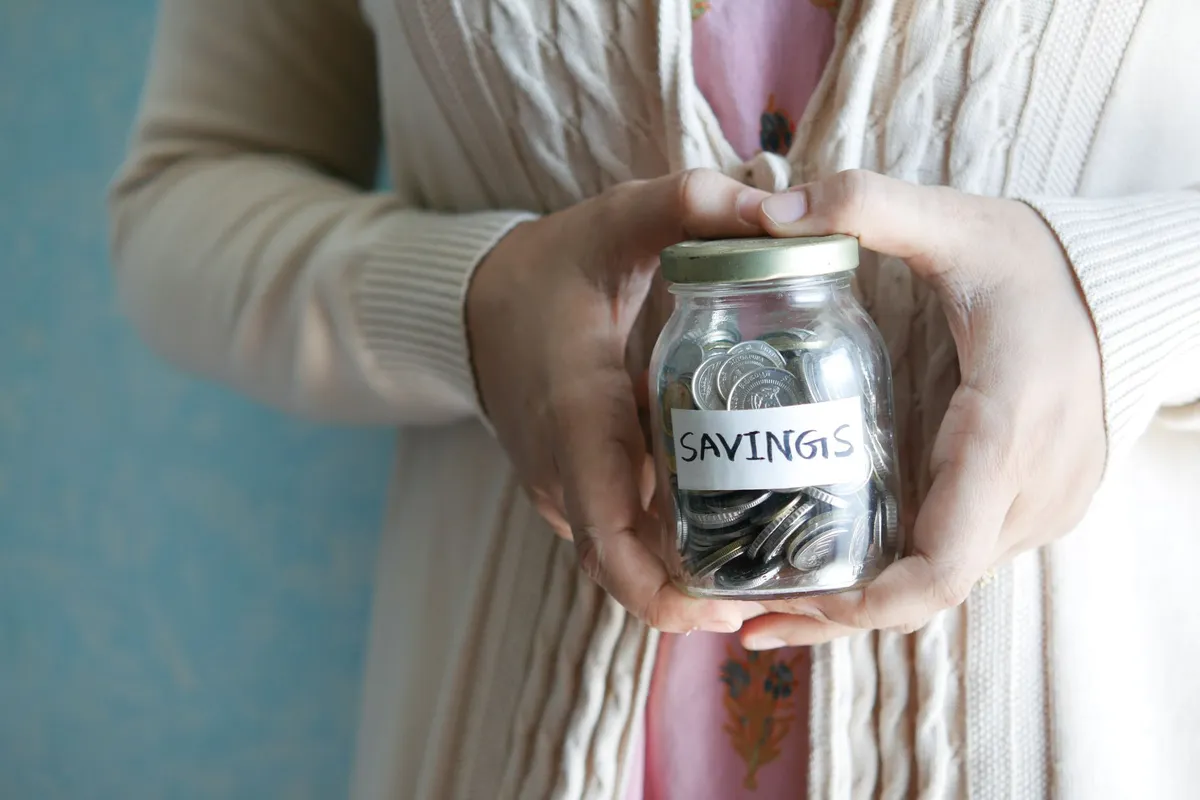
One of the most common mistakes is keeping emergency funds in a traditional savings account. Many people are unaware of the stark contrast in interest earnings between traditional and high-yield accounts. By remaining loyal to a low-rate account, savers forfeit the opportunity to earn hundreds, if not thousands, of dollars over time. To illustrate, if you have $10,000 in a traditional savings account earning 0.38%, you would earn a mere $38 in a year. In contrast, that same amount in a HYSA at 4% would earn you $400 — a difference of $362 every year. Making the switch to a HYSA is a straightforward way to maximize your savings.
2. Chasing Every Tiny APY Increase
While it’s essential to choose a competitive HYSA, switching accounts every time a bank offers a slightly higher interest rate can be counterproductive. Interest rates are variable and can fluctuate frequently. Instead of chasing every minor increase, focus on finding an account that offers substantial benefits beyond the APY alone. Consider the following:
- Convenience: Look for banks with user-friendly digital platforms or additional banking products you may need.
- Customer Service: Transitioning to a bank known for excellent customer service can save you time and frustration.
- Account Features: Evaluate features such as low or no monthly fees and flexible withdrawal options that may enhance your banking experience.
3. Keeping All Your Savings in Cash
HYSAs are ideal for maintaining your emergency fund and short-term savings goals, but they may not be the best choice for long-term investments. For retirement savings or other long-term financial goals, consider diversifying your investment strategy. Certificates of deposit (CDs) are an excellent option, as they typically offer higher fixed APYs, sometimes reaching 4.35%. While HYSAs provide flexibility, CDs offer guaranteed rates for a set term, which could yield better returns for funds that won't be needed for several years.

4. Forgetting to Review Your Account
Another common oversight is neglecting to periodically review your HYSA. Since interest rates can change based on market conditions, it's vital to check your account's APY a few times a year. Notably, significant shifts may occur after Federal Reserve meetings, where changes to the benchmark interest rate could influence the rates offered by your bank. If you find that your HYSA's APY has decreased, it may be time to shop around for a more competitive option. Regular account reviews ensure that your savings remain aligned with current market conditions.
5. Ignoring FDIC Insurance Limits
Finally, failing to consider FDIC insurance limits can expose your savings to unnecessary risk. The Federal Deposit Insurance Corporation (FDIC) provides insurance for up to $250,000 per ownership category per bank. If your savings exceed this limit, you may want to spread your funds across multiple banks or ownership categories to ensure full coverage. For instance, if you have a HYSA and a checking account at the same bank, the combined total is still subject to the $250,000 limit. Knowing how to protect your savings can give you peace of mind in an uncertain financial landscape.
Key Takeaways
- Switch from traditional accounts: High-yield savings accounts offer significantly higher APYs than traditional savings accounts.
- Assess before switching: Evaluate the overall benefits of a bank before chasing small APY increases.
- Consider long-term investments: Use HYSAs for short-term goals, but explore options like CDs for long-term savings.
- Regularly review your account: Stay informed about interest rate changes to maximize your returns.
- Understand FDIC limits: Make sure your savings are fully insured by spreading funds across different banks if necessary.
Frequently Asked Questions
What is a high-yield savings account?
A high-yield savings account is a type of savings account that offers a significantly higher interest rate than traditional savings accounts, allowing your money to grow faster. These accounts are typically offered by online banks that have lower overhead costs, which allows them to pass on the savings to customers in the form of higher APYs.
How do I choose the best high-yield savings account?
When selecting a HYSA, consider factors such as the APY, account fees, minimum balance requirements, customer service reputation, and additional banking features. It’s essential to compare different banks to find an account that not only offers a competitive rate but also aligns with your banking needs.
Can I lose money in a high-yield savings account?
While high-yield savings accounts are generally safe, your money can only be protected up to the FDIC insurance limit of $250,000 per ownership category per bank. If your balance exceeds this amount, you risk losing any amount above the limit if the bank were to fail. To mitigate this risk, consider spreading your savings across multiple banks.
Is it worth switching banks for a higher APY?
Switching banks solely for a marginal increase in APY may not always be worth the effort, especially if the new bank offers less favorable terms or customer service. Instead, assess the total value of the banking relationship, including convenience, account features, and service quality before making a decision.
This content is educational, not financial advice.
Comments
Unlocking the Potential of Trump Accounts: A Guide for Families
The new Trump Accounts offer families a unique opportunity to secure their children's financial future. With a government contribution and the power of compounding growth, parents can teach valuable lessons in investing and saving.

Related articles
Popular in Banking
- AI Revolution: HDFC Bank's Workforce Reduction and Future of Banking
- JPMorgan Chase Reports Record Profits: What It Means for Banking and Consumers
- UniCredit's Bold Play for Commerzbank: Merging Two European Giants
- Are 7% Interest Savings Accounts a Thing of the Past?
- Impact of New Lending Guidelines on Immigrants in the U.S.