The Future of Driving: U.S. Regulations May Eliminate Steering Wheels
The U.S. government's potential removal of steering wheels from fully autonomous vehicles signifies a major shift in the automotive landscape, largely propelled by Tesla's innovations. As the NHTSA revises regulations, what does this mean for the future of driving and safety on the roads?
The landscape of the automotive industry is on the brink of a revolutionary shift as federal regulators in the U.S. consider a significant change: the potential removal of steering wheels from fully autonomous vehicles. Spearheaded by innovations from Tesla, this move could redefine how we think about driving altogether. The National Highway Traffic Safety Administration (NHTSA) recently indicated that it would "absolutely" consider dropping the requirement for steering wheels in cars designed for full autonomy, a decision that could pave the way for a new era of transportation.
The implications of this shift are vast, touching on everything from vehicle design to safety regulations. As Tesla and other companies like Waymo and Zoox race to bring fully autonomous vehicles to the market, the removal of steering wheels and pedals could eliminate barriers that have historically slowed innovation. However, this newfound freedom comes with the weighty responsibility of ensuring safety on the roads, especially as reports emerge about autonomous vehicles interfering with emergency services. What does this potential regulatory change mean for consumers, manufacturers, and the future of driving?
The Rise of Fully Autonomous Vehicles
Fully autonomous vehicles, often referred to as driverless cars, represent an exciting frontier in transportation. These vehicles use a combination of sensors, cameras, and artificial intelligence to navigate roads without human intervention. As companies like Tesla push the boundaries of this technology, traditional concepts of vehicle operation are being challenged. The recent NHTSA consideration to remove steering wheels is grounded in a straightforward argument: if a vehicle is never intended to be driven by a human, why necessitate controls that serve no purpose?
Innovation at Tesla
Tesla stands at the forefront of this revolution. The company has designed its Cybercab model specifically without steering wheels or pedals, fully embracing the concept of a vehicle that operates autonomously. As Tesla expands its Robotaxi service into new cities, the easing of regulations could facilitate a more rapid rollout of these purpose-built vehicles, potentially changing urban transport dynamics. This shift is not just about convenience; it's about redefining mobility in a world increasingly reliant on technology.
Safety Concerns and Regulatory Balance
Despite the enthusiasm surrounding the potential for steering wheel-free vehicles, safety remains a paramount concern. On the same day that the NHTSA expressed openness to regulatory changes, it also issued a cautionary letter to autonomous vehicle developers. Reports have surfaced indicating that some driverless cars have interfered with emergency responders, blocking access to police, ambulances, and firefighters at critical moments. Such incidents underscore the need for rigorous safety protocols as the industry evolves.
The NHTSA's dual approach—to relax some regulations while simultaneously emphasizing safety—indicates a balancing act between fostering innovation and protecting public safety. The reality is that as the U.S. navigates the competitive landscape of autonomous driving, particularly against countries like China, it must ensure that technological advancements do not compromise the safety of its citizens.
The Competitive Landscape of Autonomous Driving
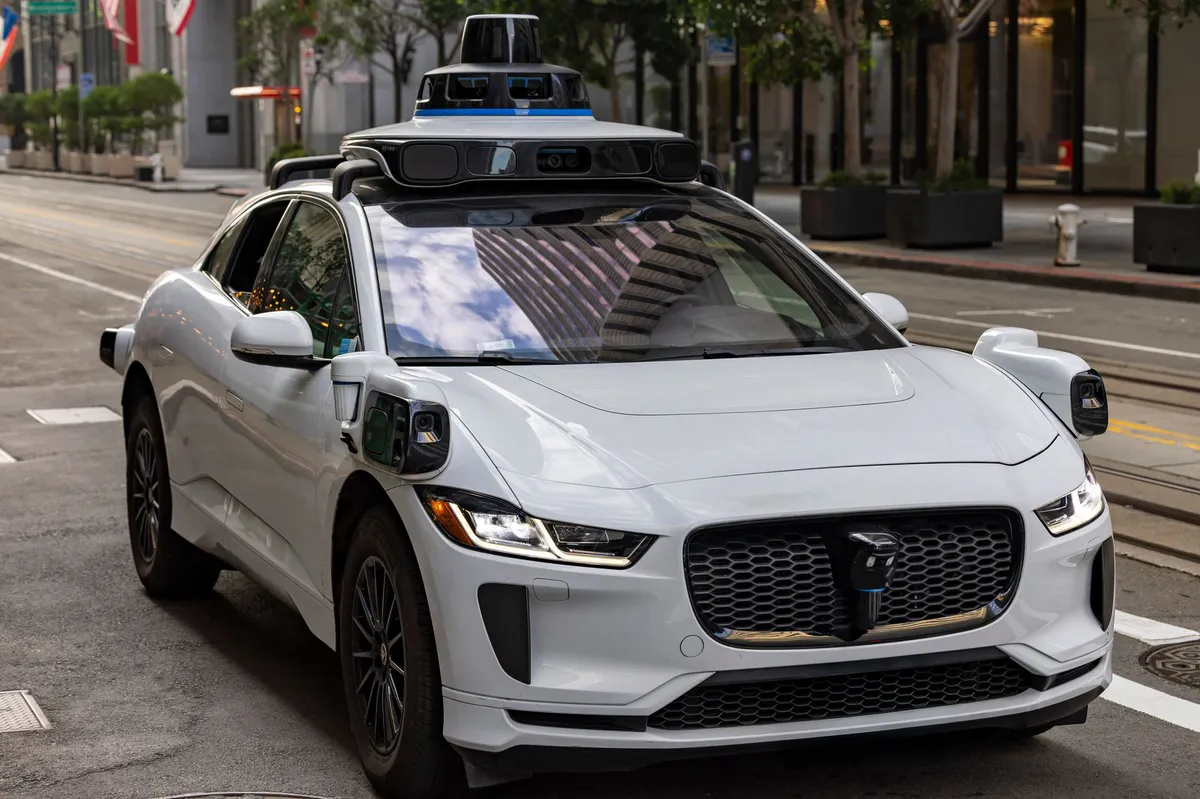
The race to dominate the autonomous vehicle market is intensifying, with Tesla leading the charge but not without competition. Companies like Waymo, a subsidiary of Alphabet, and Zoox, owned by Amazon, are also investing heavily in self-driving technologies. While these competitors are advancing their own autonomous initiatives, none have committed to the level of ambition that Tesla has shown regarding full autonomy and Robotaxi services.
This competitive landscape illustrates the urgency for regulatory bodies to adapt. In a global market where other countries are rapidly advancing their own autonomous technologies, the U.S. risks falling behind without a conducive regulatory environment. Easing restrictions could allow for faster iterations of technology, helping American companies maintain their competitive edge.
Financial Implications for Tesla and the Market
The potential regulatory changes hold considerable financial implications, particularly for Tesla. The company recently reported a revenue increase of 16% year-on-year, with its first-quarter fiscal 2026 earnings reaching $22.39 billion. As Tesla invests heavily in its autonomous driving initiatives and expands its Robotaxi network, the stock has shown mixed performance, raising questions about its valuation amid growing competition.
Analysts have debated Tesla's high valuation, with a forward price-to-earnings ratio significantly above its historical averages. Many investors are optimistic about Tesla’s long-term potential, particularly as the company continues to innovate in areas like its Full Self-Driving (FSD) software and AI ventures. However, skepticism remains regarding how quickly these projects can be brought to market profitably.
- Revenue Growth: Tesla's revenue has seen significant growth, marking a 16% increase year-on-year.
- Stock Performance: TSLA stock has returned over 31% in the past year but underperformed compared to industry benchmarks.
- Valuation Debate: The company's valuation remains hotly contested, with analysts divided on its future earnings potential.
- Heavy Investment Phase: Tesla is expected to spend over $25 billion on expanding its autonomous initiatives, impacting short-term cash flow.

Key Takeaways
- The NHTSA is considering removing steering wheels from fully autonomous vehicles, a move largely influenced by Tesla's innovations.
- While this could accelerate the rollout of autonomous vehicles, safety concerns remain paramount, particularly regarding interference with emergency services.
- The competitive landscape is heating up with companies like Waymo and Zoox, challenging Tesla's lead in the autonomous vehicle market.
- Tesla's financial performance reflects strong growth, but its high valuation raises questions about future profitability amid increasing competition.
Frequently Asked Questions
What are the implications of removing steering wheels from cars?
The removal of steering wheels from fully autonomous vehicles signifies a shift towards technology that no longer requires human intervention for operation. This change could speed up the development and deployment of autonomous vehicles, leading to more efficient and innovative transportation solutions. However, it also raises questions about safety protocols and the need for robust regulatory oversight to protect against potential hazards on the road.
How does Tesla benefit from this regulatory change?
Tesla stands to gain significantly from the relaxing of regulations surrounding autonomous vehicles. By removing the need for steering wheels, Tesla can more readily produce and deploy its Cybercab and other purpose-built vehicles without traditional controls, thus streamlining the manufacturing process and enhancing its competitiveness in the market. This regulatory shift could also accelerate the expansion of Tesla's Robotaxi service, allowing for quicker deployment in urban settings.
What safety concerns are associated with autonomous vehicles?
One of the primary safety concerns associated with autonomous vehicles is their ability to interact with emergency services. Reports have surfaced indicating that some driverless cars have obstructed first responders, raising alarms about their technology's ability to recognize and respond appropriately to emergency situations. Ensuring that autonomous vehicles can safely navigate these scenarios is crucial as the industry moves forward.
How is the competition in the autonomous vehicle market evolving?
The competition in the autonomous vehicle market is intensifying, with major players like Waymo and Zoox investing heavily in similar technologies. While Tesla has positioned itself as a leader in this space, the emergence of these competitors indicates that the race for market dominance is far from over. As regulations evolve and technology advances, the dynamics of this competitive landscape will continue to shift, impacting strategies and investments across the industry.
*This content is educational, not financial advice.
Comments
Why Your Tech Devices Will Be More Expensive for Years to Come
The memory chip market is experiencing unprecedented demand, largely driven by AI. This surge is causing ongoing price hikes, affecting the cost of phones and computers for consumers.

Related articles
Popular in Guides
- Understanding the New Repayment Assistance Plan for Student Loans
- The Evolving Landscape of Remote Work: Trends and Insights for 2025
- OpenAI's Fidji Simo Steps Down Amid Health Challenges
- Pizza Chains Restructuring Amid Declining Sales and Rising Costs
- Exploring Oregon: The 10 Most Affordable Places to Live