Why Your Tech Devices Will Be More Expensive for Years to Come
The memory chip market is experiencing unprecedented demand, largely driven by AI. This surge is causing ongoing price hikes, affecting the cost of phones and computers for consumers.

The tech world is undergoing a seismic shift that is likely to impact consumers for years to come. If you've recently noticed an uptick in the prices of your favorite gadgets—smartphones, laptops, and gaming consoles—you’re not alone. This price surge is largely driven by a booming memory chip market, which has been transformed by the rising demands of artificial intelligence (AI). As the industry grapples with unprecedented demand and supply chain challenges, consumers are bracing for a prolonged period of higher prices for technology products.
The memory chip market has historically been characterized by cycles of boom and bust. Typically, increased demand leads to rising prices, triggering a rush of new supply that eventually causes prices to plummet. However, the current landscape tells a different story, with analysts predicting that the current upswing will not only last but also significantly alter the future of the tech industry.
The AI Boom and Its Impact on Memory Chips
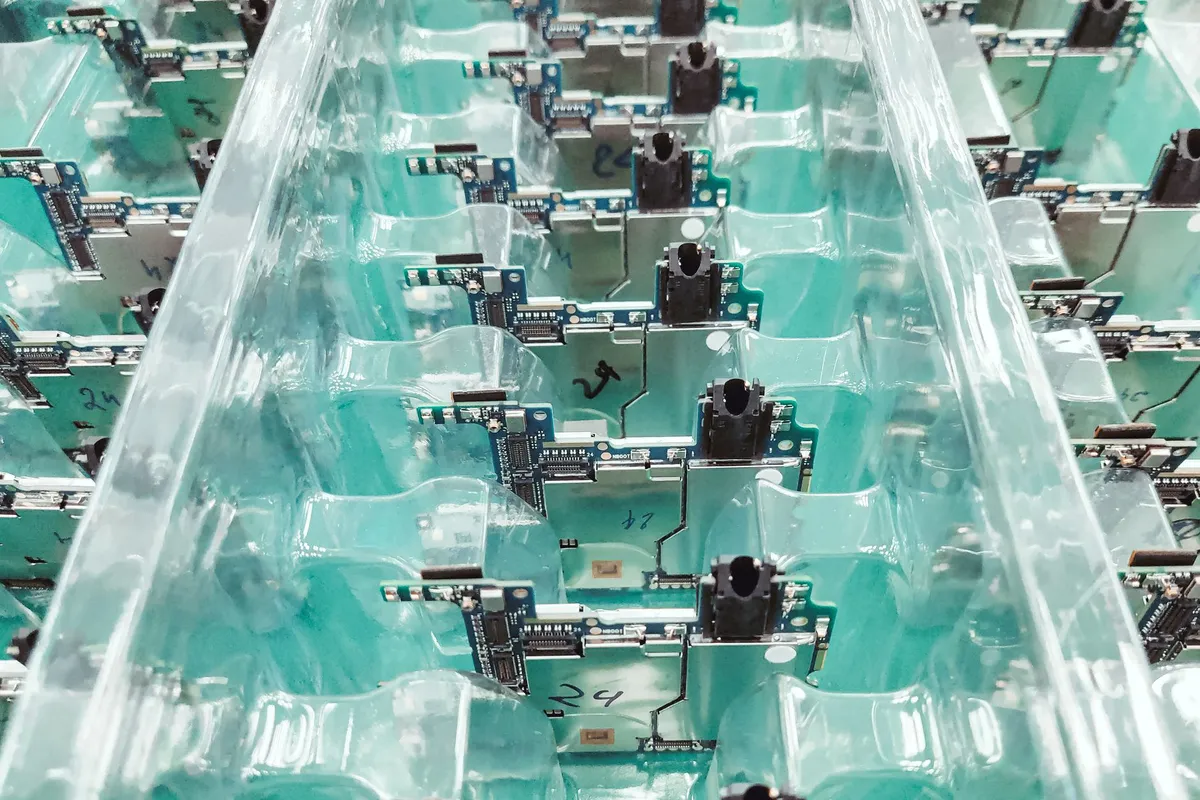
Artificial intelligence has emerged as a game-changer in the tech landscape, dramatically increasing the need for memory chips. These chips are crucial for AI applications, which require processing enormous amounts of data quickly and efficiently. Major players in the memory chip sector—companies like Micron, Samsung, and SK Hynix—are seeing revenues soar as they scramble to meet this new demand.
Unprecedented Growth in Revenue
According to forecasts from World Semiconductor Trade Statistics, global memory chip revenue is expected to reach approximately $803 billion this year, which is a staggering increase from the previous figures and almost matches the entire semiconductor market of $796 billion in 2025. This explosion in revenue illustrates just how critical memory chips have become as the backbone of modern technology.
Supply Constraints and Price Increases
The current memory chip boom is not just a temporary phenomenon; it is accompanied by significant supply constraints. Major manufacturers are hesitant to overbuild their production capacity, having learned painful lessons from previous cycles where overproduction led to dramatic price crashes. As William Kerwin, an analyst at Morningstar, points out, chipmakers are exercising caution and “deliberate capacity discipline.” This means they are prioritizing advanced AI products while refraining from filling every order, which could potentially lead to a surplus.
Long-Term Contracts and Strategic Expansion
To combat the volatility of supply and demand, memory chip manufacturers are engaging in long-term contracts. For example, Micron has secured 16 multi-year deals worth $22 billion to stabilize their revenue streams. However, even with these strategies in place, experts believe that the expansion of manufacturing capacity will not significantly impact supply until after 2028.
What This Means for Consumers
For everyday consumers, the consequences of this booming memory chip market are clear: higher prices for electronic devices. With memory chip revenue expected to nearly double the value of all logic chips, including those produced by tech giants like Nvidia and Intel, consumers can anticipate that the prices of smartphones, laptops, and other tech products may not return to pre-AI boom levels anytime soon.
Budgeting for Higher Tech Costs
As prices rise, consumers may need to adjust their budgeting strategies to accommodate these changes. Consider the following tips:
- Research before purchasing: Stay informed about market trends and anticipated price changes.
- Wait for sales: Look for significant sales events or holiday promotions to secure better deals.
- Invest in durable products: Opt for devices with longer lifespans to mitigate the impact of rising prices.
- Consider refurbished options: Explore certified refurbished devices, which can offer significant savings.

Long-Term Outlook and Future Trends
Despite the current challenges, the memory chip market is expected to stabilize in the long run. Analysts predict a downturn in demand around 2029, as new manufacturing plants come online and supply begins to catch up with demand. However, the price levels are likely to remain higher than those observed before the AI boom, thanks to the ongoing demand for advanced technology.
Understanding the Structural Change in the Market
William Kerwin emphasizes that while traditional cycles may still play a role, the memory industry has undergone a structural transformation due to the proliferation of AI. This means that the dynamics of supply and demand will likely be altered for the foreseeable future, leading to sustained higher prices for consumers.
Key Takeaways
- The memory chip market is currently experiencing unprecedented demand due to AI applications.
- Global memory chip revenue is expected to reach about $803 billion this year.
- Manufacturers are practicing caution to avoid overproduction, leading to sustained higher prices.
- Consumers should adjust their budgeting strategies to accommodate rising tech costs.
- A downturn in demand is anticipated around 2029 when new manufacturing plants come online.

Frequently Asked Questions
How do memory chip prices affect the average consumer?
Memory chip prices directly impact the cost of technology products that consumers rely on daily, such as smartphones, laptops, and gaming consoles. As memory chips become more expensive due to increased demand, manufacturers often pass these costs onto consumers, resulting in higher prices for these devices. Understanding this connection can help consumers make informed purchasing decisions.
What can consumers do to mitigate higher tech costs?
Consumers can take several steps to mitigate the impact of rising tech costs, such as researching products before purchasing, waiting for sales, investing in durable devices, and considering refurbished options. By being strategic and mindful about their purchases, consumers can save money despite the ongoing price increases in the tech market.
When can we expect prices to stabilize?
While the current boom in memory chip prices is expected to last for several years, analysts predict a downturn around 2029 when new manufacturing facilities come online. However, prices may still remain higher than pre-AI boom levels due to the long-term structural changes in the industry driven by increased demand for advanced technology.
How does the memory chip market influence overall technology trends?
The memory chip market plays a crucial role in shaping broader technology trends. As demand for memory chips increases, it drives innovation and development in related fields, such as AI and high-performance computing. Therefore, trends in the memory chip market can have far-reaching implications for tech companies and consumers alike, influencing everything from device capabilities to pricing strategies.
Disclaimer: The content is educational, not financial advice.
Comments
Target and BMW: Navigating Challenges in Uncertain Markets
As Target seeks to redefine its brand under new leadership, BMW thrives in the U.S. luxury market despite challenges in China. Explore how both companies are adapting to shifting consumer needs and market dynamics.

Related articles
Popular in Guides
- Understanding the New Repayment Assistance Plan for Student Loans
- The Evolving Landscape of Remote Work: Trends and Insights for 2025
- OpenAI's Fidji Simo Steps Down Amid Health Challenges
- Pizza Chains Restructuring Amid Declining Sales and Rising Costs
- Exploring Oregon: The 10 Most Affordable Places to Live