Target and BMW: Navigating Challenges in Uncertain Markets
As Target seeks to redefine its brand under new leadership, BMW thrives in the U.S. luxury market despite challenges in China. Explore how both companies are adapting to shifting consumer needs and market dynamics.
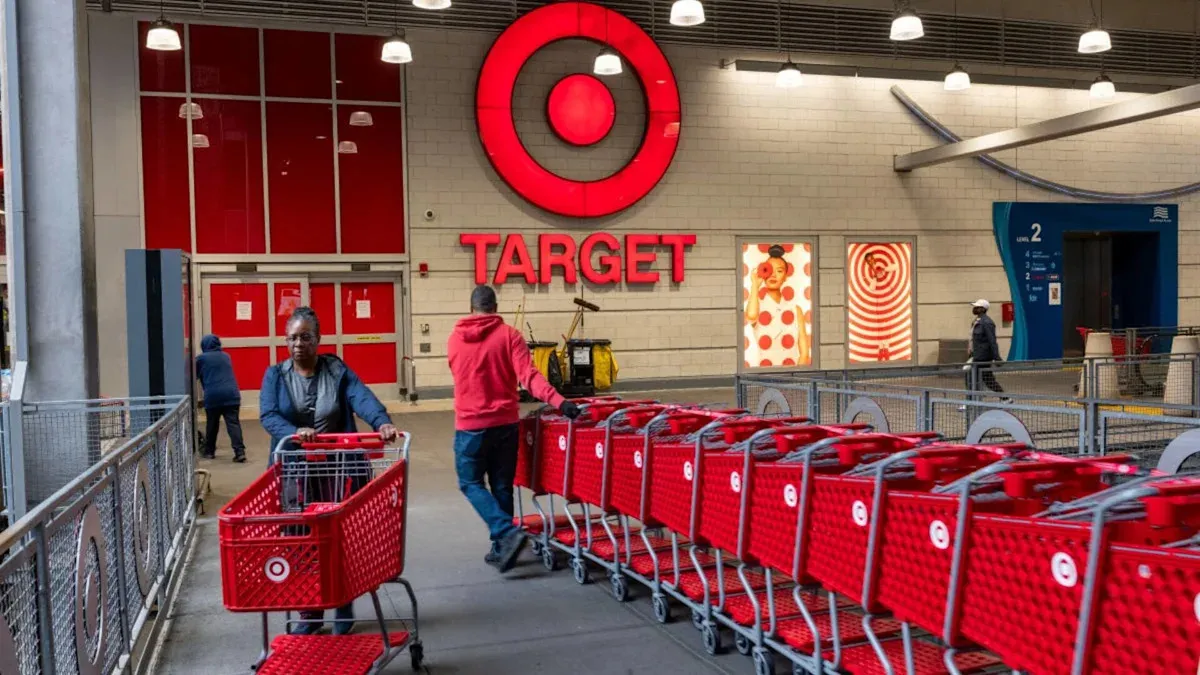
The retail and automotive landscapes are undergoing significant transformations, marked by shifting consumer preferences, market challenges, and strategic pivots from major players. Target, under the new leadership of CEO Michael Fiddelke, is attempting to reshape its brand image while addressing operational inefficiencies. Meanwhile, BMW has solidified its position as the top-selling luxury automaker in the U.S., leveraging robust sales performance to counterbalance declines in its largest market, China. This article delves into the challenges and strategies of both companies, revealing the intricate dynamics at play in today's economy.
Target's Brand Revival: Beyond the Political Narrative
Target has found itself at the intersection of consumer sentiment and cultural debates, grappling with perceptions of being a "woke" brand due to its diversity, equity, and inclusion (DEI) policies and merchandise like Pride-themed products. However, according to Neil Saunders, Managing Director at GlobalData, Target's issues are less about political controversy and more about execution failures. The retailer has seen a decline in sales and foot traffic, compounded by growing competition from giants like Walmart and Amazon.
Understanding Target's Market Position
Despite recent challenges, Target remains a popular choice for many consumers. Recent surveys indicate that it ranks as the second most favored destination for back-to-school shopping, trailing only Walmart. This suggests that Target still possesses substantial market equity, but it must reestablish a compelling value proposition to attract shoppers more frequently.
- Target's Current Position: The brand is viewed as a strong contender, but it must clarify its unique selling points to differentiate from competitors.
- Execution Issues: Complaints regarding stockouts and store cleanliness have contributed to a decline in customer experience.
- Strategic Focus: The new CEO emphasizes better merchandising and improved in-store experiences as key to regaining consumer trust.
Back-to-School Season: A Critical Test for Target
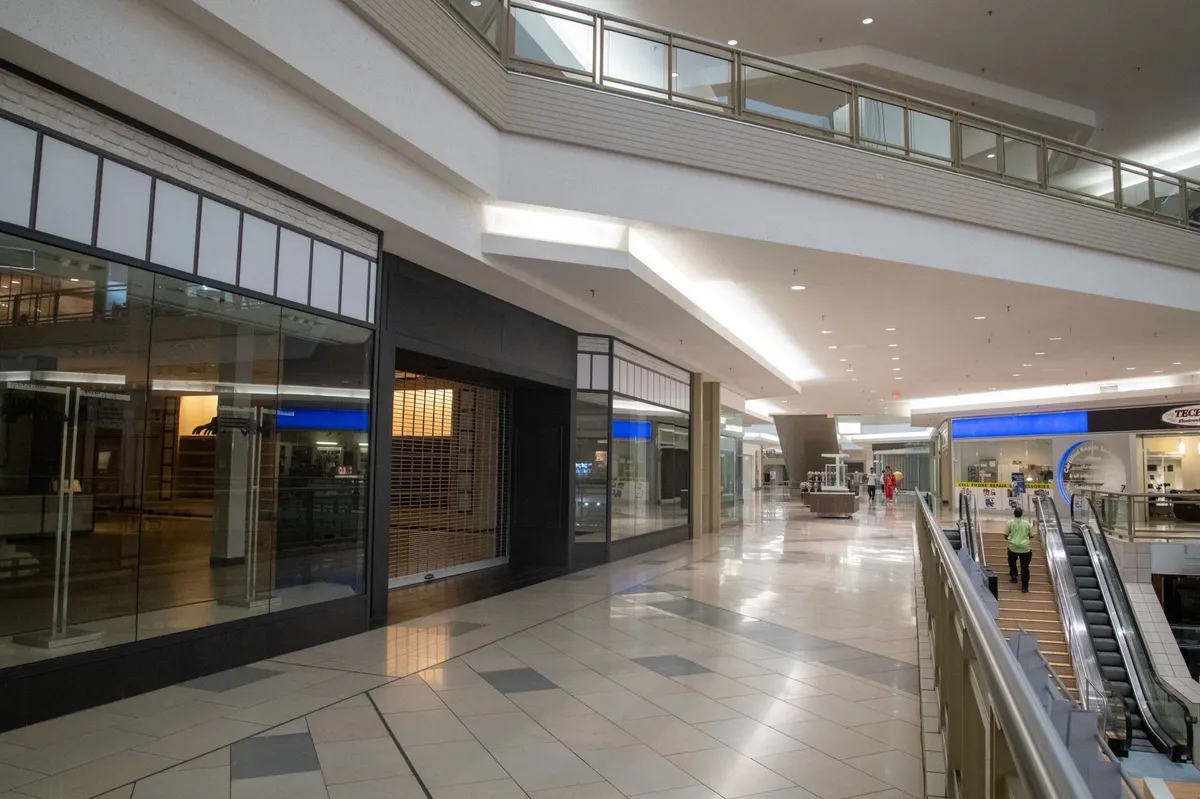
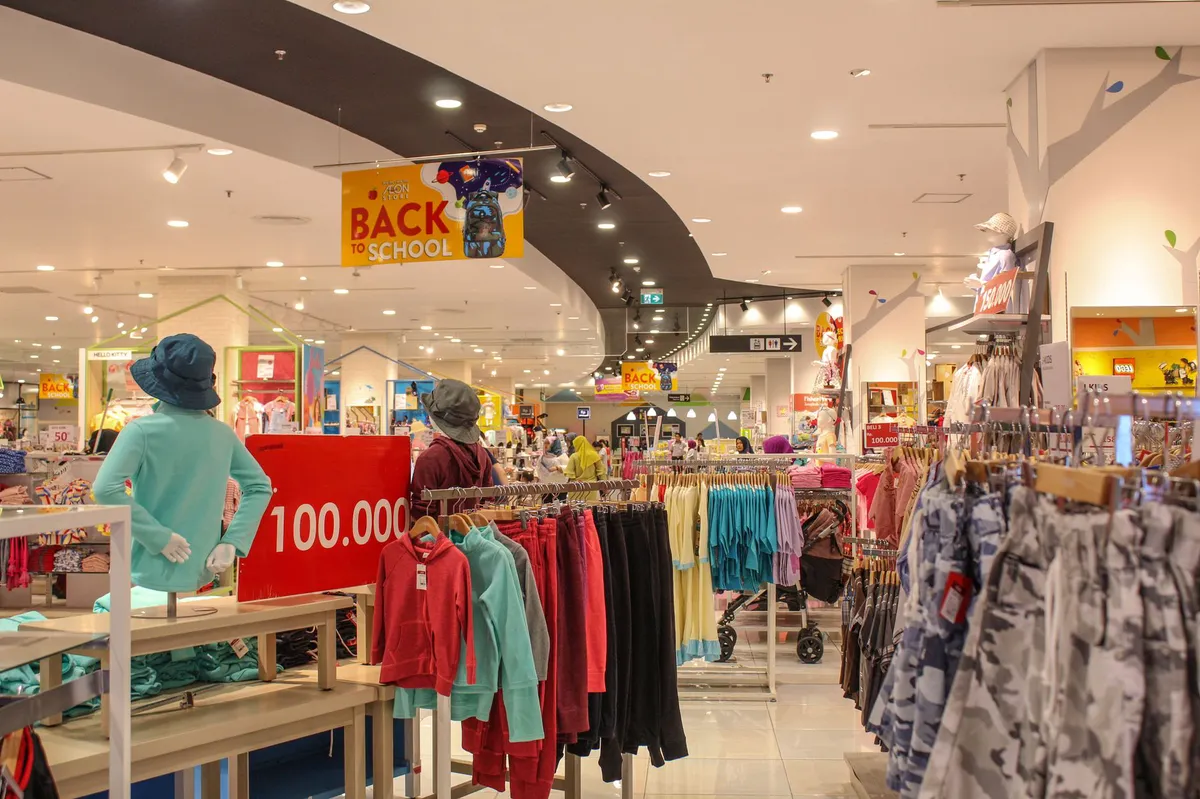
The back-to-school shopping season is pivotal for retailers, and for Target, it represents a significant opportunity to demonstrate improvements. Anticipated U.S. spending on back-to-school items is expected to reach $36.1 billion in 2026, marking a 5.9% increase from the previous year. As parents become more discerning about their spending, this season will test Target's ability to deliver on expectations.
Consumer Trends and Shopping Behavior
Notably, more than 80% of back-to-school shoppers plan to visit physical stores, highlighting the importance of in-person shopping for immediate needs and product selection. This trend aligns well with Target's strengths, as shoppers often prefer to verify sizes and match school supply lists in-store. The competitive edge lies in Target's ability to capitalize on these shopping patterns.
BMW's Resilient Performance in the U.S. Market
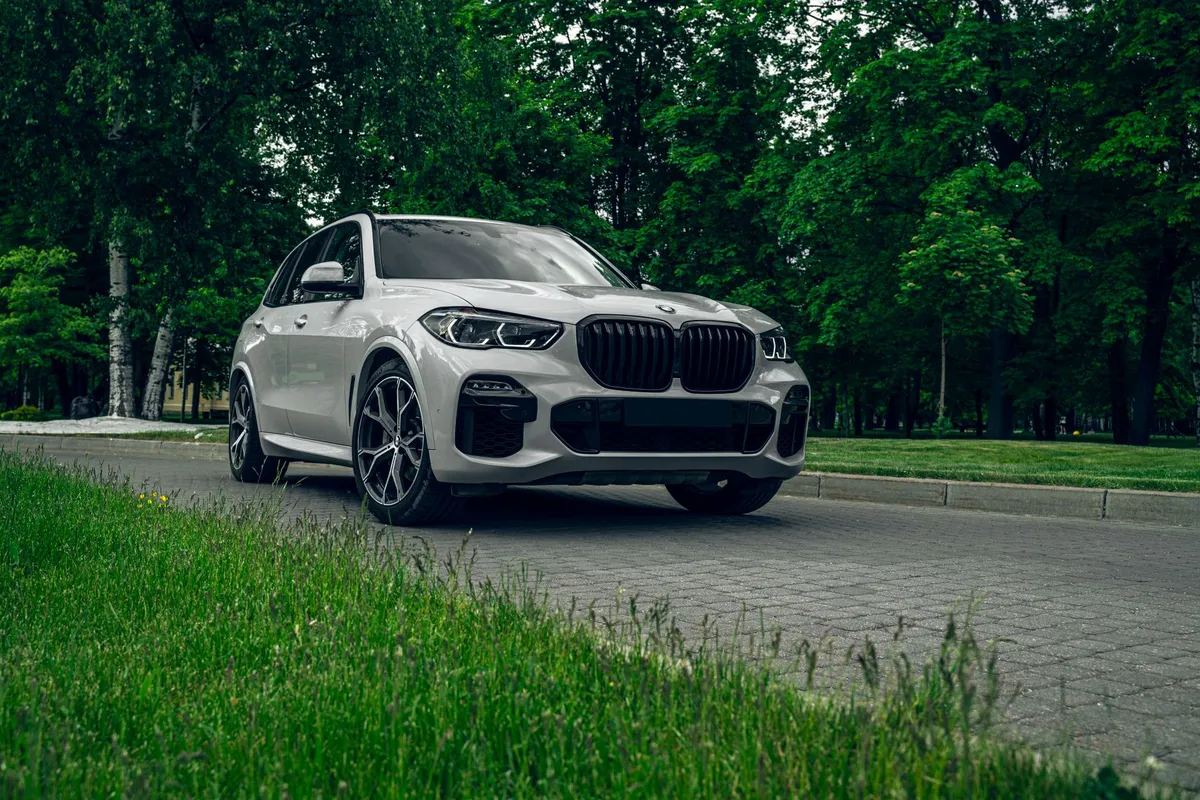
While Target faces its own set of challenges, BMW has emerged as a resilient force in the U.S. luxury automotive market. Despite seeing declines in its largest market, China, BMW reported a remarkable 13% increase in U.S. sales during the second quarter of 2026. This growth solidifies its position as the top-selling luxury automaker, outpacing competitors like Mercedes-Benz and Audi, who experienced sales declines.
Key Drivers of BMW's Success
BMW's success in the U.S. can be attributed to several factors:
- Strong Product Mix: With a focus on high-margin SUVs and popular models like the X5, BMW has maintained robust demand across its lineup.
- Strategic Focus: The company is set to launch an all-new X5, presenting an opportunity to enhance its core offerings further.
- Market Adaptation: As sales in China decline by over 30%, BMW is leveraging U.S. performance to mitigate losses and reinforce its market strategy.
Challenges Ahead for BMW
Despite its strong U.S. performance, BMW is not without challenges. The decline in China, historically a key profit driver, has led the company to revise its financial outlook for 2026, with EBIT margins expected to drop from 4-6% to 1-3%. The widening performance gap between the U.S. and China necessitates a strategic reevaluation to ensure sustained growth and profitability.
Long-Term Strategy and Market Dependency
As BMW prepares to launch its Neue Klasse generation of vehicles in the U.S., it faces the challenge of maintaining momentum amidst fluctuating market demands. The company’s increasing reliance on U.S. sales to offset losses in China raises concerns about its vulnerability to regional economic shifts. To safeguard its long-term viability, BMW must diversify its market presence while continuing to innovate and adapt to evolving consumer preferences.
Key Takeaways
- Target's Focus: The retailer aims to redefine its brand identity and improve customer experience while addressing execution issues.
- Back-to-School Importance: This shopping season is critical for Target's recovery and presents an opportunity to regain consumer trust.
- BMW's U.S. Resilience: The automaker has solidified its position in the luxury market, demonstrating strong sales despite challenges in China.
- Strategic Adaptation Needed: Both companies must navigate operational challenges and market dynamics to ensure sustained growth.

Frequently Asked Questions
What specific changes is Target implementing to improve sales?
Target is focusing on improving merchandising and enhancing the in-store experience. This includes addressing customer complaints regarding stock availability, store cleanliness, and checkout efficiency. The new CEO, Michael Fiddelke, has emphasized the importance of regaining consumer trust and ensuring that shopping at Target is a seamless experience.
How is BMW managing its sales decline in China?
BMW is revising its financial outlook due to significant declines in the Chinese market. To mitigate these losses, the company is relying on its strong performance in the U.S. and other regions. BMW is also launching new models, including the Neue Klasse generation, to attract consumers and maintain demand across its lineup.
What can consumers expect from Target in the upcoming back-to-school season?
Consumers can expect Target to focus on delivering a wide range of school supplies, apparel, and convenience items. The company is banking on the back-to-school season to demonstrate its operational improvements and enhance the shopping experience, providing a compelling reason for shoppers to choose Target over competitors.
Is BMW's reliance on the U.S. market sustainable in the long term?
While BMW's strong U.S. performance is currently a stabilizing factor, over-reliance on a single market can pose risks. BMW needs to diversify its market presence and enhance its global strategy to ensure sustainable growth. Addressing the challenges in China and maintaining consumer interest in new product launches will be crucial for the brand’s long-term success.
This content is educational, not financial advice.
Comments
Why Your Tech Devices Will Be More Expensive for Years to Come
The memory chip market is experiencing unprecedented demand, largely driven by AI. This surge is causing ongoing price hikes, affecting the cost of phones and computers for consumers.

Related articles
Popular in Guides
- Understanding the New Repayment Assistance Plan for Student Loans
- The Evolving Landscape of Remote Work: Trends and Insights for 2025
- OpenAI's Fidji Simo Steps Down Amid Health Challenges
- Pizza Chains Restructuring Amid Declining Sales and Rising Costs
- Exploring Oregon: The 10 Most Affordable Places to Live