Agricultural Sector: A Bull Market Amid Global Challenges
As geopolitical tensions and climate patterns disrupt supply chains, the agricultural sector is seeing unprecedented investment opportunities. Explore how these factors influence agricultural stocks and what investors should consider.
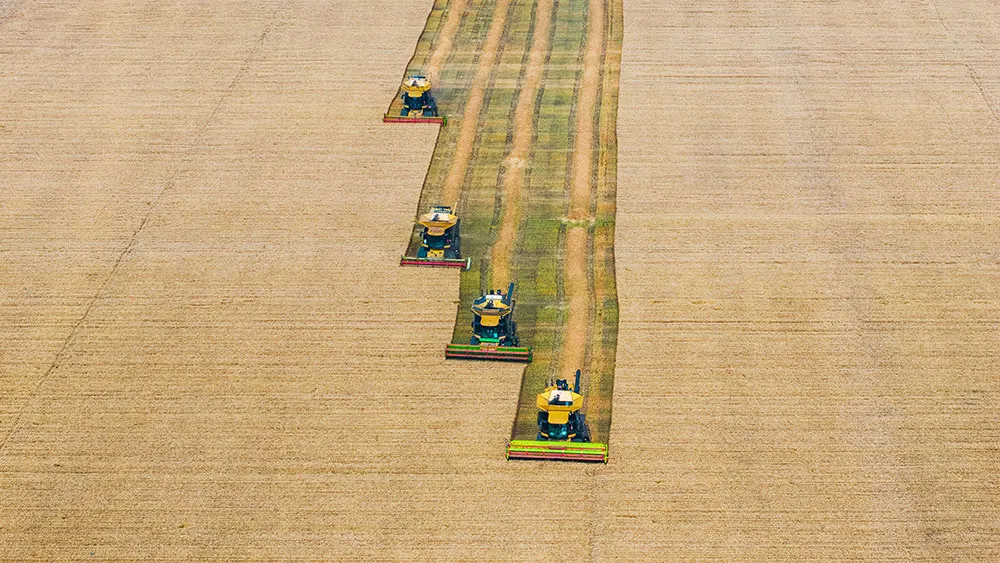
In a world facing increasing food scarcity, erratic weather patterns, and geopolitical strife, the agricultural sector is emerging as an unexpected beacon for investors. With the backdrop of a bull market driven by these global challenges, agricultural stocks and commodities are becoming increasingly attractive. Limited access to vital resources, such as fertilizers, due to ongoing conflicts and climate phenomena like El Niño, is reshaping the landscape of crop production and investment opportunities.
Investors are now faced with a unique situation in which the agricultural sector could yield significant returns. The convergence of supply chain disruptions and environmental concerns is creating fertile ground for those looking to capitalize on agricultural investments. Let’s delve deeper into the factors fueling this bull market and what investors should keep in mind.
The Impact of Geopolitical Tensions
Recent geopolitical events, particularly in the Middle East, have exacerbated existing vulnerabilities in the agricultural supply chain. The Strait of Hormuz, a crucial passage for global oil and fertilizer shipments, has seen increased military presence and conflict, leading to:
- Reduced Fertilizer Supply: Fertilizers are essential for enhancing crop yields, and disruptions in their supply chain are leading to lower agricultural productivity.
- Increased Costs: With limited access to fertilizers, farmers are facing rising operational costs, which can lead to higher prices for consumers.
- Investment Opportunities: Companies involved in the agricultural sector are likely to see increased demand and, consequently, a surge in stock prices.

Climate Change and Its Role
The phenomenon of climate change, particularly the El Niño weather pattern, is another critical factor influencing agricultural production. El Niño can lead to extreme weather conditions that threaten crop yields across major regions. The consequences are profound:
Hotter Temperatures and Drought
With predictions of hotter and drier conditions in key agricultural zones, farmers are bracing for:
- Decreased Crop Yields: Higher temperatures can stress crops, leading to lower yields and potential food shortages.
- Changing Planting Patterns: Farmers may need to alter their planting schedules or switch to more resilient crops, which can involve significant costs and risks.
Investment in Resilience
In response to these challenges, there is a growing push towards investing in agricultural technologies that promote resilience, such as:
- Smart Irrigation Systems: These systems optimize water usage, a critical factor in drought-stricken areas.
- Genetically Modified Crops: These crops are designed to withstand extreme weather and pests, which can protect farmers' investments.

Stock Market Opportunities
Given the current landscape, investors are keen to identify stocks that are well-positioned to benefit from these trends. Here are some sectors within agriculture that are attracting attention:
Agricultural Equipment Companies
With farmers looking to maximize their efficiency and adapt to changing conditions, companies that manufacture agricultural equipment are seeing increased demand. Stocks in this sector could be on the rise as farmers invest in modernizing their operations.
Fertilizer Producers
Despite current supply chain issues, fertilizer producers may rebound as demand skyrockets. Investing in companies that can innovate or provide alternative solutions could yield substantial returns.
Food Production Companies
With increasing food scarcity, companies producing staples such as grains, fruits, and vegetables are likely to see a boost in stock prices. These companies are critical in addressing food shortages and meeting increasing consumer demand.
What Investors Should Consider
As with any investment decision, it is essential for investors to conduct thorough research and consider several factors before diving into the agricultural sector:
- Market Volatility: The agricultural market can be influenced by various external factors, including weather conditions and geopolitical events, which can lead to price fluctuations.
- Long-term Trends: Investors should look for companies that are adapting to long-term trends, such as climate change and technological advancements, rather than those focused solely on short-term gains.
- Financial Health: Assess the financial stability of agricultural companies, including their debt levels and cash flow, to understand their resilience during market downturns.
Key Takeaways
- The agricultural sector is experiencing a bull market driven by geopolitical tensions and climate change.
- Supply chain disruptions are impacting fertilizer availability, leading to increased costs and investment opportunities.
- Investors should focus on companies that can adapt to changing agricultural practices and technological advancements.
- Market volatility necessitates thorough research and consideration of long-term trends when investing.
Frequently Asked Questions
What are the primary factors driving the current agricultural bull market?
The current agricultural bull market is primarily driven by geopolitical tensions that disrupt supply chains, particularly in the Middle East, as well as climate phenomena like El Niño, which threatens crop yields. These factors are leading to increased demand for agricultural commodities and stocks as investors look for opportunities in a changing landscape.
How can I invest in agricultural stocks effectively?
Investing in agricultural stocks requires a careful evaluation of market conditions, company financials, and long-term trends. Look for companies that are focusing on innovation, such as those developing sustainable agricultural practices or technologies. Diversifying your investments across different sectors within agriculture can also help mitigate risks associated with market volatility.
What risks should I be aware of when investing in agriculture?
Investing in agriculture comes with inherent risks, including market volatility due to unpredictable weather patterns, geopolitical events, and changes in consumer demand. Additionally, the agricultural sector can be affected by regulatory changes and trade policies that may influence profitability. It's crucial for investors to stay informed and adapt their strategies accordingly.
How do geopolitical events affect agricultural investments?
Geopolitical events can significantly impact agricultural investments by disrupting supply chains, affecting the availability of raw materials, and increasing operational costs. For instance, conflicts that limit access to critical shipping routes can lead to shortages and price increases in essential agricultural inputs like fertilizers, ultimately affecting agricultural productivity and profitability.
Comments
Transforming Wealth Management: From Financial Gatekeepers to Life Strategists
The wealth management landscape is evolving as affluent families seek more than just financial stewardship. Modern advisers are taking on roles that encompass holistic life planning, emphasizing health, relationships, and well-being alongside financial goals.

Related articles

Popular in Investing
- Navigating the Dismal Landscape of 2026's Worst-Performing ETFs
- Navigating the Turbulent Waters of Energy Markets: A Deep Dive
- Stablecoin Market Faces $10 Billion Decline — What It Means for Investors
- Cotton Futures Surge Despite Increased Production Forecasts
- Avantus Secures $525 Million for Major California Solar Project