Navigating the Dismal Landscape of 2026's Worst-Performing ETFs
As 2026 unfolds, the world of Exchange-Traded Funds (ETFs) has seen a stark divide between the top performers and the laggards. This article delves into the underperforming ETFs, with a significant focus on the continued decline of crypto-related investments, particularly those tied to Ethereum and other altcoins.
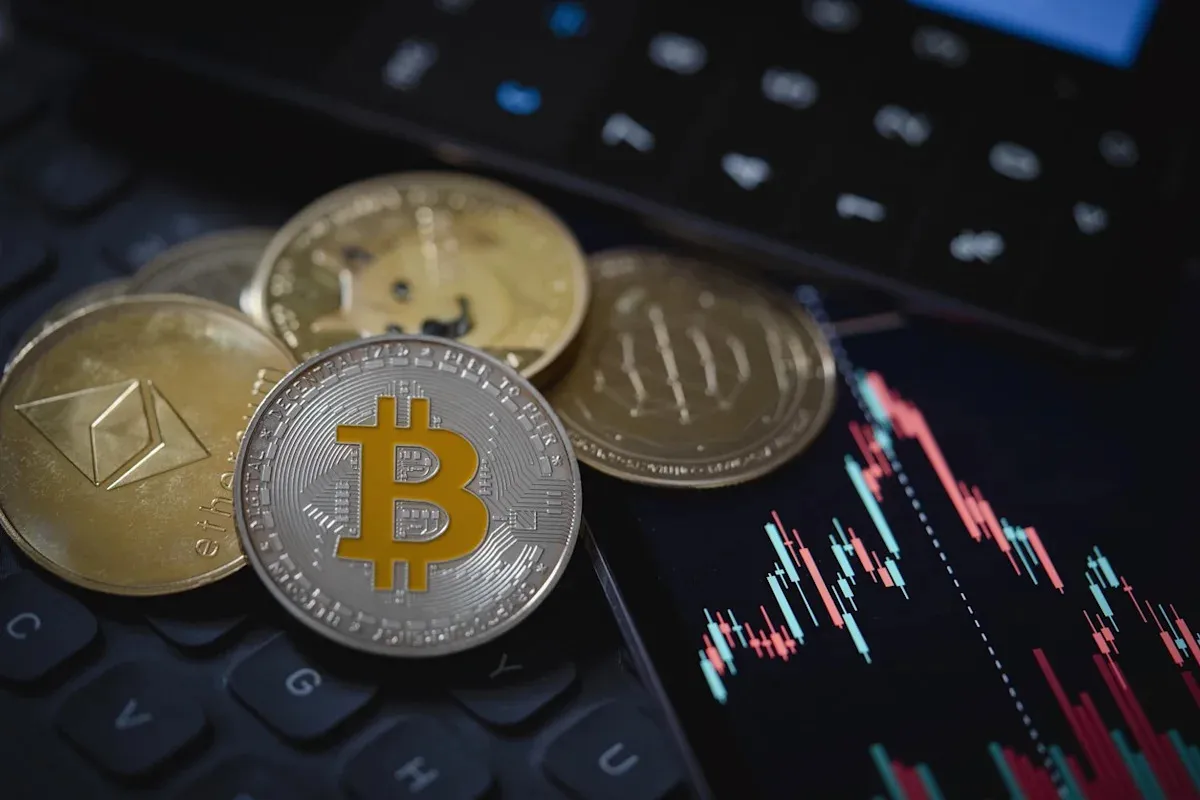
The investment landscape of 2026 has been a rollercoaster ride, particularly for Exchange-Traded Funds (ETFs) that focus on cryptocurrencies. While some sectors, such as semiconductors and artificial intelligence, have surged ahead, crypto ETFs have been left in the dust. This article explores the worst-performing ETFs of the year, shedding light on the factors contributing to their decline and what this means for investors.
As the calendar flipped to July, it became evident that the grim narrative surrounding cryptocurrency ETFs was far from over. In fact, the trend of underperformance has persisted since the spring, with the most significant losses found squarely in the crypto sector. Understanding these trends is crucial for investors looking to navigate the increasingly complex world of ETFs.
Examining the Crypto Downfall
At the forefront of this year's underperforming ETFs is the Grayscale Sui Staking ETF (GSUI), which has plummeted by a staggering 48.5% year to date. This ETF tracks Sui, a smart contract platform that operates on a different architecture than Ethereum or Solana. The substantial decline in its value reflects broader trends in the cryptocurrency market and investor sentiment.
The Ripple Effect of Ethereum
The decline in crypto ETFs is not merely limited to Sui; rather, it is emblematic of a larger issue affecting Ethereum-based funds. A notable cluster of Ethereum ETFs has emerged, all of which have experienced declines of around 41%. This includes:
- Grayscale Ethereum Staking ETF (ETHE) - down 41.5%
- 21Shares Ethereum ETF (TETH) - down 40.9%
- iShares Ethereum Trust ETF (ETHA) - down 41.11%
- Fidelity Ethereum Fund (FETH) - down 41.09%
- Invesco Galaxy Ethereum ETF (QETH) - down 41.28%
This collective decline underscores the struggles of Ether, which has faced an even harsher reality than Bitcoin, dropping by 28% this year. The decline in Ethereum's price has made it challenging for ETFs tracking this asset to maintain value, leading to significant losses for investors.

The Risks of Option-Income ETFs
Among the underperforming ETFs are two that utilize option-income strategies: the Amplify Ethereum Max Income Covered Call ETF (EHY) and the Amplify Ethereum 3% Monthly Option Income ETF (ETTY). Both funds have seen significant declines, with EHY down 45.7% and ETTY down 43.8%.
These funds aim to generate income by writing covered calls, a strategy that can limit upside potential while still exposing investors to downside risks. In a year where Ethereum has faced substantial declines, this dual risk has proven detrimental, as these ETFs have absorbed most of the losses while capping their potential gains.
The Broader ETF Landscape
What’s particularly noteworthy about the 2026 underperformance rankings is the absence of other sectors. Earlier in the year, ETFs focused on software, cannabis, and high-yield equities also found themselves struggling. However, as 2026 has progressed, crypto-related ETFs have overwhelmingly dominated the list of underperformers.
Additional ETFs that have found themselves at the bottom of the performance spectrum include:
- Canary Litecoin ETF (LTCC) - down 42.5%
- XRP ETF (XRPI) - down 42.3%
These declines illustrate a profound shift in investor sentiment towards cryptocurrencies, as many are reassessing their risk tolerance amid volatility. The continued decline of crypto ETFs is a stark reminder of the speculative nature of these investments.

Understanding the Impact on Investors
The ramifications of these underperforming ETFs extend beyond mere statistics; they represent a cautionary tale for investors. The overwhelming presence of crypto in the bottom rankings suggests a need for careful consideration when investing in these assets. Investors must be mindful of the risks associated with crypto investments, especially given the rapid shifts in market sentiment that can lead to drastic declines.
For those invested in these underperforming ETFs, it may be time to evaluate their portfolios and consider diversifying into more stable sectors. The recent performance trends highlight the necessity of maintaining a balanced investment strategy that includes a mix of asset classes to mitigate risks.

Key Takeaways
- The worst-performing ETFs of 2026 are dominated by cryptocurrency funds, particularly those tied to Ethereum.
- The Grayscale Sui Staking ETF (GSUI) has seen the steepest decline at 48.5% YTD.
- Ethereum-based ETFs have collectively dropped around 41%, reflecting the asset's struggles.
- The use of option-income strategies in crypto ETFs can exacerbate losses during downturns.
- Investors should reassess their portfolios and consider diversifying into more stable sectors to mitigate risks.
Frequently Asked Questions
What factors are contributing to the decline of cryptocurrency ETFs?
The decline of cryptocurrency ETFs can be attributed to several factors, including regulatory uncertainty, market volatility, and shifts in investor sentiment. As cryptocurrencies continue to grapple with these challenges, many investors are reassessing their positions, leading to significant sell-offs and declines in ETF values.
How can investors protect themselves from losses in volatile markets?
Investors can protect themselves from losses in volatile markets by diversifying their portfolios. This means spreading investments across different asset classes, such as stocks, bonds, and alternative investments, to reduce exposure to any single market segment. Additionally, maintaining a long-term investment perspective can help weather the ups and downs of market fluctuations.
Are there safer investment options than cryptocurrency ETFs?
Yes, there are several safer investment options compared to cryptocurrency ETFs. Traditional asset classes such as index funds, blue-chip stocks, and bonds typically offer more stability. These investments tend to be less volatile and provide a more predictable return, making them suitable for risk-averse investors.
What should I do if I own underperforming ETFs?
If you own underperforming ETFs, it may be prudent to evaluate your investment strategy. Consider consulting a financial advisor who can provide tailored advice based on your financial goals and risk tolerance. Additionally, you may want to explore options for diversification to mitigate potential losses in a volatile market.
This content is educational, not financial advice.
Comments
Understanding Market Trends and ETF Strategies in 2026
This article explores the latest market trends as of July 2026, focusing on the impact of ETFs and investment strategies tailored for modern investors.

Related articles






Popular in Investing
- Stablecoin Market Faces $10 Billion Decline — What It Means for Investors
- Cotton Futures Surge Despite Increased Production Forecasts
- Avantus Secures $525 Million for Major California Solar Project
- Navigating the Pet Stocks Market: Opportunities Amidst Challenges
- Market Turmoil: How Geopolitical Tensions and Earnings Reports Impact Stocks