Navigating the Pet Stocks Market: Opportunities Amidst Challenges
The pet stock market has faced significant declines since the pandemic boom, but opportunities abound for savvy investors. This article explores the reasoning behind the dip and highlights potential investment strategies in the pet industry.

The pet industry in the United States has experienced a rollercoaster ride over the past few years. Following an explosive growth period during the COVID-19 pandemic, pet stocks have faced a sharp decline, leaving many investors questioning whether this sector still presents viable opportunities. With pet ownership continuing to rise, this article delves into the market dynamics affecting pet-related stocks, the factors contributing to their recent downturn, and potential strategies for navigating this unique investment landscape.
According to a Harris Poll conducted in October 2024, a staggering 43% of Americans expressed a preference for pets over children, highlighting the deep emotional attachment that many have developed towards their furry companions. As of 2024, total spending on pets, pet products, and related services surged to an astounding $188 billion, up from just $40 billion in 2000. This trend reflects not only the growing number of pet owners—approximately two-thirds of households—but also the increasing willingness to invest in pet care. However, the stock market response has been less than favorable, raising questions about the future of pet stocks.
Understanding the COVID-19 Impact on Pet Stocks
The COVID-19 pandemic brought about unprecedented shifts in consumer behavior. Many individuals and families turned to pets for companionship during lockdowns, leading to a surge in pet adoptions. In fact, 78% of Americans reported acquiring a pet during the pandemic, and savvy investors capitalized on this trend. In 2020, the ProShares Pet Care ETF (PAWZ) achieved a remarkable 61.4% return, significantly outpacing the S&P 500.
The Rise and Fall of Notable Pet Stocks
Some companies experienced meteoric rises during the height of the pet boom. For instance, Dogness (International), which specializes in fashionable leashes and collars, saw its stock price skyrocket from $21 in October 2020 to $175 by early 2022. Similarly, Freshpet, known for its premium pet food products, tripled in value during the same period. However, as quickly as these stocks rose, they fell. Dogness's stock plummeted by 80% within six months of its peak, now trading at around $1 per share. Freshpet has similarly declined by over two-thirds since its peak.

Current Challenges Facing the Pet Industry
Despite a strong emotional bond between pet owners and their animals, several factors have contributed to the recent downturn in pet stocks. One significant challenge is the increasing competition from major retailers like Amazon, which has disrupted profit margins for smaller pet-related companies. Additionally, many middle-class families are grappling with tightened budgets, impacting discretionary spending on pet products. The average American household now spends around $6,000 annually on their pets, which can strain finances when paired with rising costs of living.
Moreover, the pet industry faces a growing trend toward price sensitivity among consumers. A report from Zoetis, a leading pet pharmaceutical company, indicated a decline in veterinary visits and softer demand for premium products, indicating that pet owners are becoming more cautious with their spending.
Spotting Value in a Declining Market
For savvy investors, the current climate presents opportunities to acquire undervalued stocks in the pet care sector. Many companies have seen their stock prices decline, but their underlying businesses remain solid. For instance, Chewy (CHWY), an e-commerce pet supply company, has seen its sales triple since being spun off from PetSmart in 2019, yet its stock is down 70% over the last five years. With a price-earnings ratio of just 14, compared to the S&P 500 average of 22, Chewy is worth considering for value-focused investors.
Promising Stocks in the Pet Care Sector
Several companies stand out in the current market landscape:
- Zoetis (ZTS): With a $33 billion market cap, Zoetis specializes in medications and vaccines for pets and livestock. Despite a recent drop in shares, its consistent profit growth over the past decade makes it a solid candidate.
- IDEXX Laboratories (IDXX): This $44 billion company provides diagnostics and testing services for vets. While its stock is not cheap, with a forward P/E of 38, it has demonstrated robust earnings growth.
- Elanco Animal Health (ELAN): Known for its flea and tick products, Elanco's stock is up 76% in the past year, indicating a recovery trend.
- Philbro Animal Health (PAHC): This company reported a 15% increase in earnings year-over-year, with a low P/E of 10, making it an attractive investment.

The Growing Market for Pet Insurance
As veterinary expenses continue to rise—sometimes reaching thousands of dollars for treatments—more pet owners are turning to pet insurance. In just four years, the number of insured pets has doubled, yet market penetration remains low at around 4% in the U.S. compared to 20% in Germany and 25% in the U.K. This gap presents a significant opportunity for growth in the pet insurance sector.
Trupanion (TRUP) stands out as a leader in pet insurance, popular among vets for its efficient reimbursement platform. However, despite nearly tripling its revenue from 2020 to 2025, Trupanion's stock has dropped by 75% over the past five years, indicating potential for recovery as the market stabilizes.
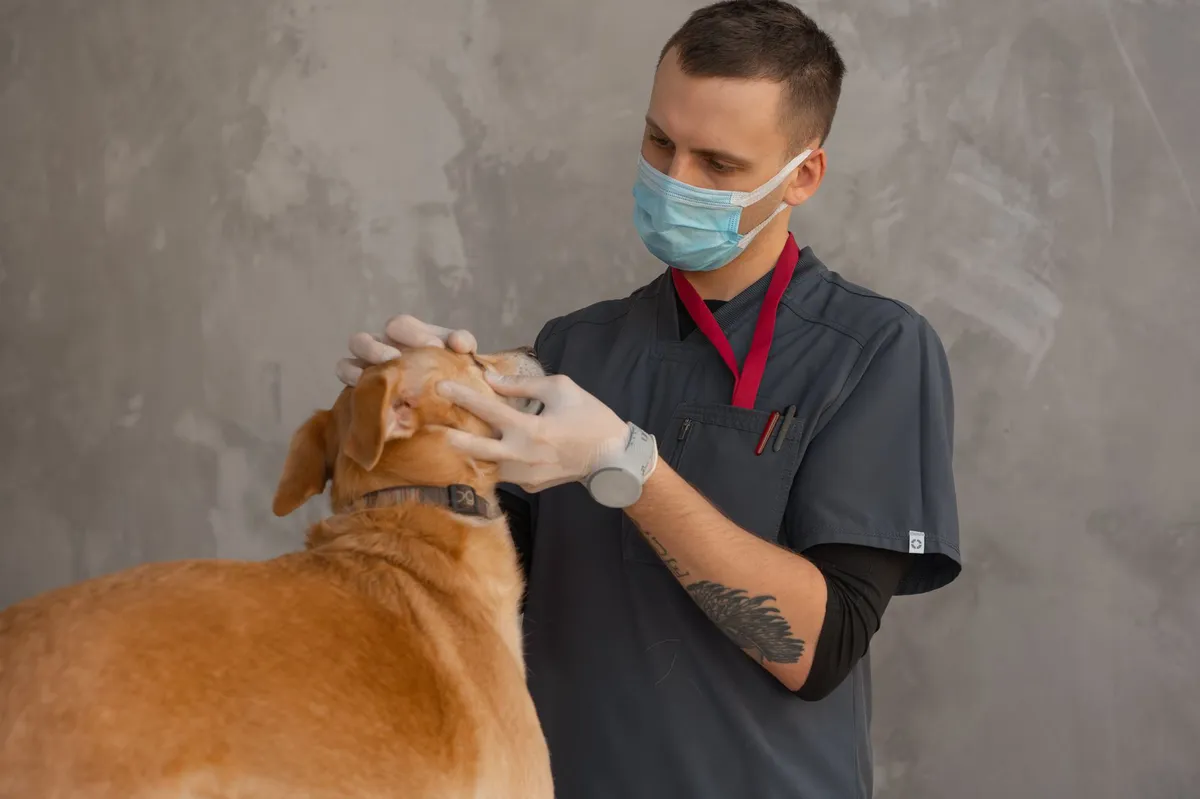
Investing in Pet Stocks: Strategies and Considerations
For investors looking to navigate the pet stocks landscape, a contrarian approach may be beneficial. Many pet stocks are currently undervalued, presenting opportunities for those willing to take a long-term perspective. Here are some strategies to consider:
- Research and Diversification: Thoroughly research individual companies, focusing on their fundamentals, growth potential, and competitive advantages. Diversifying across different segments of the pet industry can also mitigate risk.
- Market Timing: While trying to time the market can be challenging, keeping an eye on broader economic trends and consumer spending habits can help identify opportune moments for investment.
- Long-Term Perspective: Given the volatility of pet stocks, adopting a long-term investment horizon can help weather short-term fluctuations.
Key Takeaways
- The pet industry remains strong with rising ownership, yet pet stocks have faced significant declines.
- Competition from major retailers and economic pressures are impacting profit margins in the pet sector.
- Several undervalued stocks, such as Chewy and Zoetis, present potential investment opportunities.
- The pet insurance market is growing, providing additional avenues for investment.
- A contrarian, long-term approach may yield benefits in the currently volatile pet stocks market.
Frequently Asked Questions
What are the main factors contributing to the decline of pet stocks?
The decline in pet stocks can be attributed to increased competition from large retailers like Amazon, rising consumer price sensitivity, and a general tightening of household budgets. These factors have squeezed profit margins and reduced discretionary spending on pet-related products and services.
Are there any promising investment opportunities in the pet sector?
Yes, despite the downturn, several companies in the pet sector present promising investment opportunities. For example, Chewy and Zoetis are both experiencing declines in stock prices despite strong underlying business fundamentals, making them potential candidates for value-focused investors.
How can I effectively invest in pet stocks?
Investing in pet stocks requires thorough research and a diversified portfolio. Consider focusing on companies with solid fundamentals, and look for opportunities during market dips. A long-term investment perspective can also help navigate the inherent volatility of this sector.
Is pet insurance a good investment opportunity?
Pet insurance is a growing market with significant potential for expansion in the U.S. As more pet owners seek to cover rising veterinary costs, investing in pet insurance companies like Trupanion may offer good returns in the coming years as market penetration increases.
Disclaimer: This content is educational, not financial advice.
Comments
Market Turbulence: Dow Drops 577 Points Amid Global Tensions
The stock market is facing significant volatility as geopolitical tensions rise, particularly in the Middle East. With the Dow Jones Industrial Average falling sharply, investors must navigate through uncertainty with strategic financial planning.

Related articles


Popular in Investing
- Navigating the Dismal Landscape of 2026's Worst-Performing ETFs
- Stablecoin Market Faces $10 Billion Decline — What It Means for Investors
- Cotton Futures Surge Despite Increased Production Forecasts
- Avantus Secures $525 Million for Major California Solar Project
- Market Turmoil: How Geopolitical Tensions and Earnings Reports Impact Stocks