Market Turbulence: Dow Drops 577 Points Amid Global Tensions
The stock market is facing significant volatility as geopolitical tensions rise, particularly in the Middle East. With the Dow Jones Industrial Average falling sharply, investors must navigate through uncertainty with strategic financial planning.

The stock market is enduring significant turbulence as geopolitical tensions escalate, particularly in the Middle East. The Dow Jones Industrial Average experienced a steep drop of 577 points, closing at 52,348, primarily fueled by fears surrounding military actions in Iran. As President Trump hinted at potential retaliatory attacks for strikes on commercial tankers in the Strait of Hormuz, investors are left grappling with uncertainty and volatility in their portfolios.
Market observers are well aware that geopolitical events can have profound implications for financial markets. The fallout from conflicts in critical regions like the Strait of Hormuz, a vital chokepoint for oil transport, can send shockwaves through global markets, influencing everything from oil prices to stock valuations. In this context, understanding the current market conditions and preparing for potential financial impacts is crucial for investors.
Geopolitical Landscape: The Iran Situation
Recent escalations in the Middle East, particularly involving Iran, have reignited concerns about oil supply disruptions. President Trump’s remarks about potential military action against Iran signal a period of increased volatility. The U.S. has accused the Islamic Revolutionary Guard of attacking three commercial vessels, raising alarms about maritime security in the Strait of Hormuz.
The Impact on Oil Prices
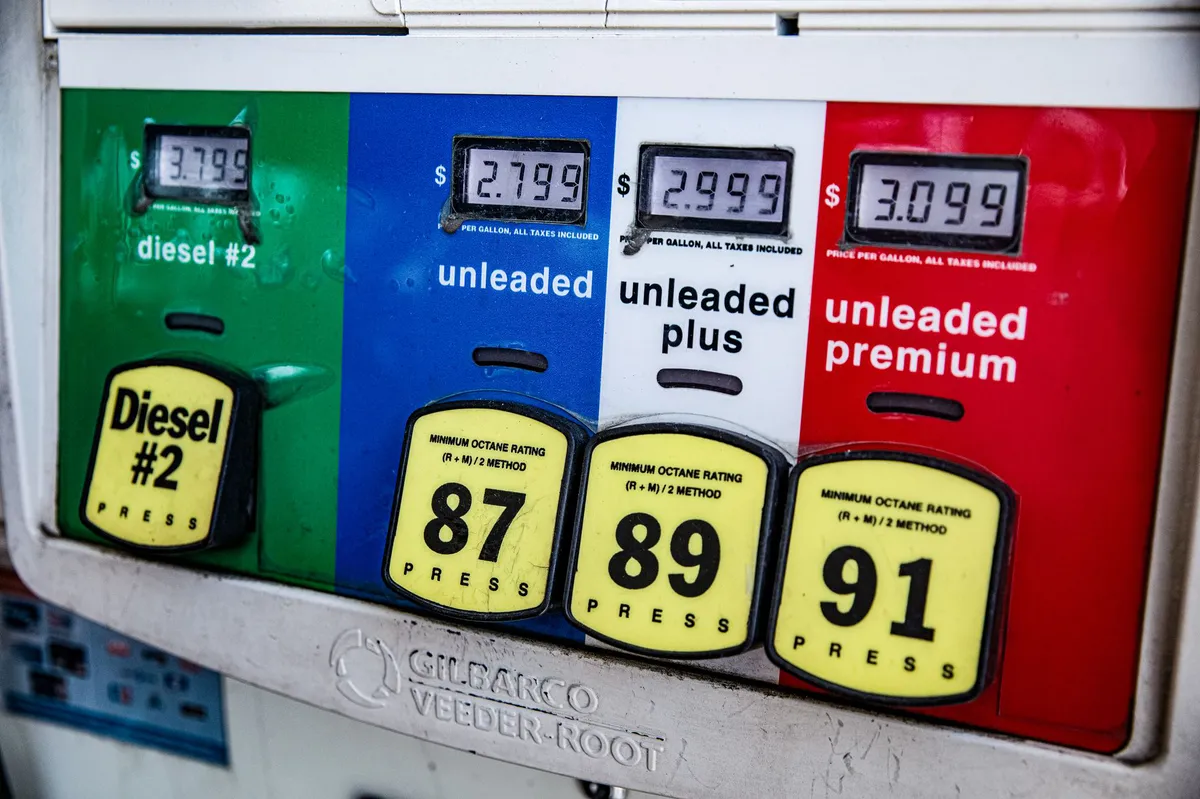
In response to these geopolitical developments, West Texas Intermediate crude oil futures surged by 5.2%, reaching $74.09 per barrel. This sharp increase highlights how sensitive oil markets are to geopolitical risks. Rising oil prices can have a cascading effect on the economy, impacting transportation costs, consumer prices, and ultimately inflation.
- Supply disruptions due to military conflicts.
- Global demand fluctuations, particularly from major economies.
- Strategic reserves and geopolitical strategies from major oil producers.
Market Reactions: Dow and S&P 500 Trends
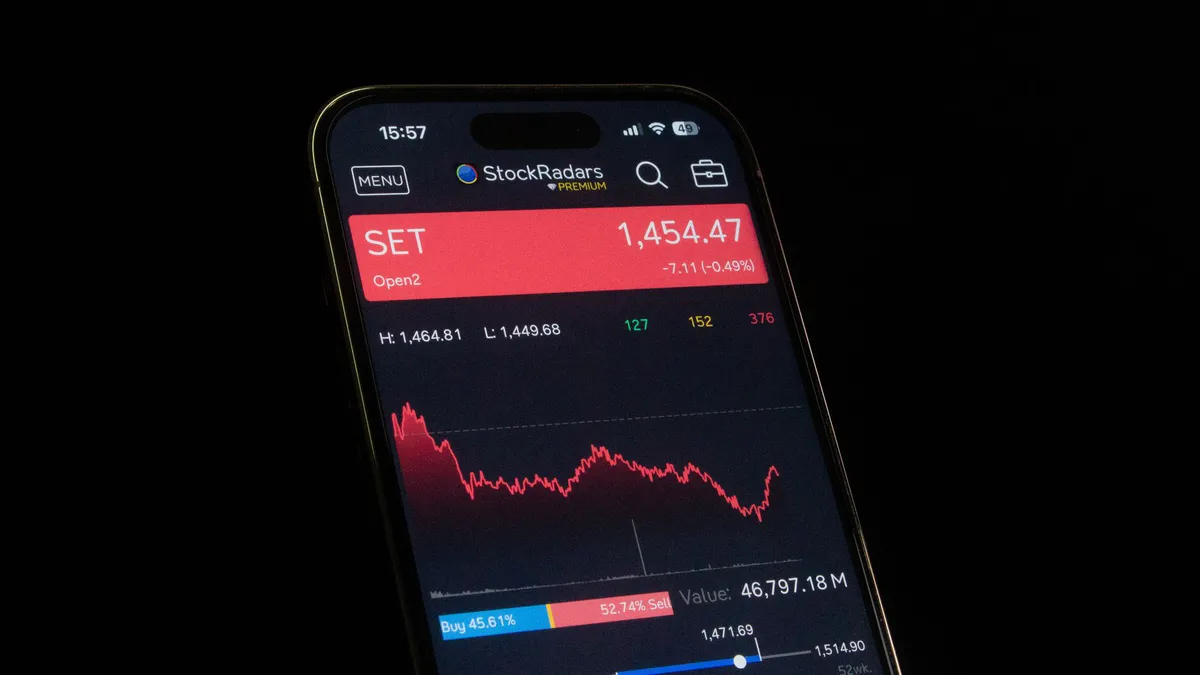
The immediate market reaction to the heightened tensions was a significant decline in the Dow and S&P 500. The Dow fell 1.1% while the broader S&P 500 index slipped by 0.3%. Investors are particularly sensitive to news that could impact economic stability, and the uncertainty surrounding military action in Iran is a major contributing factor.
Technology Stocks: A Mixed Bag
Despite the overall market decline, some technology stocks displayed resilience. Nvidia, a leader in the artificial intelligence sector, saw a 3.7% increase. This suggests that within the broader market downturn, certain sectors, particularly technology, may still offer growth opportunities.
Notable Performances:- Nvidia (NVDA) up by 3.7%
- Apple (AAPL) increased by 0.9% due to a new silicon deal with Broadcom (AVGO).
- Chevron (CVX) saw a modest increase of 1.1% amid rising oil prices.
The Role of Central Banks in Market Stability
As the Federal Reserve navigates these tumultuous waters, its monetary policy decisions will be closely monitored by investors. The recent Federal Open Market Committee (FOMC) minutes indicate a shift towards more concise communications, which could signal a more proactive approach to managing inflation and interest rates.
Implications for Investors
Investors must remain vigilant and adaptable in the face of changing economic conditions. Diversifying investment portfolios can mitigate risks associated with geopolitical tensions. For instance, investing in sectors less correlated to oil prices, such as renewable energy or technology, could provide a buffer against volatility.
Long-Term Investment Strategies in Uncertain Times
In light of the current market conditions, it’s essential for investors to reassess their strategies. Long-term investment disciplines remain important, but the approach may need to adjust to current realities.
Key Strategies for Navigating Volatility
- Reassess Risk Tolerance: Understand how much volatility your portfolio can withstand and adjust your investments accordingly.
- Diversify Investments: Spread investments across different asset classes to mitigate risks.
- Stay Informed: Regularly review market news and economic indicators to make informed decisions.
- Consider Defensive Stocks: Look at sectors that typically perform well during downturns, such as utilities or consumer staples.
Key Takeaways
- The Dow fell 577 points, reflecting rising geopolitical tensions.
- Oil prices surged due to concerns over supply disruptions in the Strait of Hormuz.
- Investors should consider diversification and reassess risk tolerance amid market volatility.
- Technology stocks may offer growth opportunities even during market downturns.
Frequently Asked Questions
What are the primary factors affecting the stock market today?
The stock market is influenced by a multitude of factors, including geopolitical events, economic indicators, and corporate earnings. In the current scenario, tensions in the Middle East, particularly involving Iran, have injected significant uncertainty into the market, causing investor anxiety and volatility. Economic indicators such as inflation rates, unemployment figures, and Federal Reserve policies also play a crucial role in shaping market sentiment.
How should I adjust my investment strategy in a volatile market?
In a volatile market, it is advisable to reassess your investment strategy. This may include diversifying your portfolio to include a mix of asset classes, such as stocks, bonds, and alternative investments. Additionally, it is essential to stay informed about market trends and economic developments, which can help you make informed decisions about buying or selling assets. Maintaining a long-term perspective can also help mitigate the stress associated with short-term market fluctuations.
What sectors tend to perform well during market downturns?
During market downturns, certain sectors typically outperform others. Defensive sectors, such as utilities, healthcare, and consumer staples, often provide stability as they offer essential goods and services that consumers need regardless of economic conditions. Additionally, sectors like gold and precious metals often attract investment during times of uncertainty due to their perceived safety.
How can geopolitical events impact my investments?
Geopolitical events can have immediate and far-reaching effects on financial markets. For instance, conflicts can disrupt supply chains, affect commodity prices, and create volatility in stock markets. Investors may need to adjust their portfolios in response to such events, either by hedging against potential losses or by seeking opportunities in sectors that may benefit from increased demand or government spending related to the conflict.
This content is educational, not financial advice.
Comments
Navigating the Pet Stocks Market: Opportunities Amidst Challenges
The pet stock market has faced significant declines since the pandemic boom, but opportunities abound for savvy investors. This article explores the reasoning behind the dip and highlights potential investment strategies in the pet industry.

Related articles
Popular in Investing
- Navigating the Dismal Landscape of 2026's Worst-Performing ETFs
- Stablecoin Market Faces $10 Billion Decline — What It Means for Investors
- Cotton Futures Surge Despite Increased Production Forecasts
- Avantus Secures $525 Million for Major California Solar Project
- Navigating the Pet Stocks Market: Opportunities Amidst Challenges