Stablecoin Market Faces $10 Billion Decline — What It Means for Investors
The stablecoin market has seen a significant decline, with a $10 billion drop in market capitalization since May 2026. This article explores the implications of this downturn for investors and the broader cryptocurrency landscape.

The cryptocurrency landscape is known for its volatility, but recent developments in the stablecoin sector have raised concerns among investors and market participants alike. As of mid-July 2026, the combined market capitalization of stablecoins has plummeted by an astonishing $10 billion since the end of May. This decline marks the largest decrease in years and signals a notable shift in the dynamics of the crypto market, which has been consolidating near its lows for the year.
The implications of this significant drop in stablecoin value extend beyond mere numbers; they reflect broader trends within the cryptocurrency ecosystem and could influence investment strategies moving forward. This article delves into the factors driving this decline, the potential ramifications for crypto markets, and what investors should keep in mind in this evolving landscape.
The Current State of the Stablecoin Market
Stablecoins, designed to maintain a stable value relative to fiat currencies, play a critical role in the cryptocurrency arena by providing liquidity and facilitating transactions. However, the recent downturn has highlighted vulnerabilities within this market. The combined market capitalization of stablecoins now stands at approximately $300 billion, a stark contrast to its previous highs.
Key Players and Their Declines
The decline is primarily attributed to the two leading stablecoin issuers: Tether (USDT) and Circle (USDC). Tether, the largest stablecoin by market cap, has seen its value drop from $190 billion to $184 billion in just a few weeks. Similarly, Circle's USDC has fallen from $80 billion to $73 billion during the same timeframe. This 3% decrease in market cap is the largest percentage drop since 2023, and it reverses a bullish narrative that had begun to take shape in the market.

Market Implications of the Decline
The erosion in market capitalization carries serious implications for the cryptocurrency ecosystem. Stablecoins are widely used for trading and payment settlements within the crypto market, so a decrease in liquidity could exacerbate the already existing vulnerabilities. The decrease in stablecoin liquidity comes at a time when the overall crypto market appears to be consolidating, further complicating the situation.
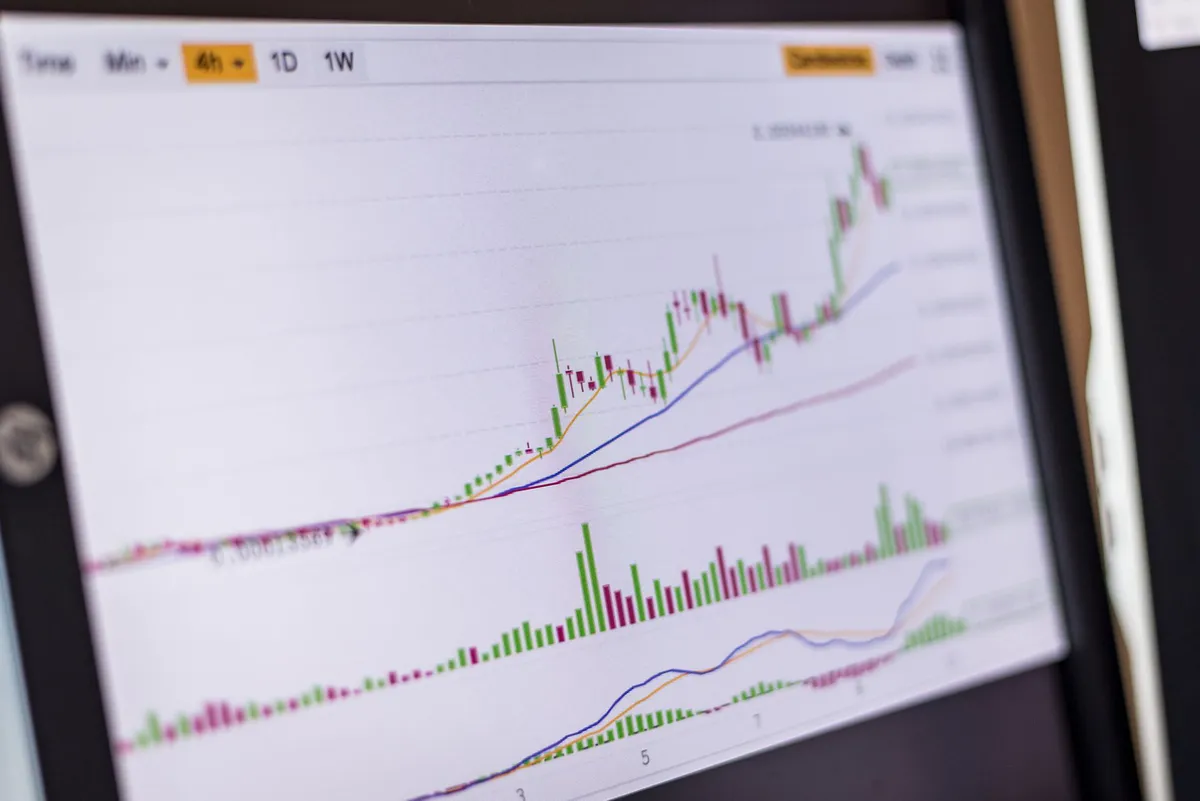
The slump in stablecoins coincides with a broader crypto winter that began last October, sending prices for various digital assets plummeting. Bitcoin, for instance, is currently trading around $62,500, significantly lower than its peak of $126,000 last October. This decline not only impacts individual investors but also raises questions about institutional investments and the future of cryptocurrency as a viable asset class.
Changing Predictions and Market Sentiment
The decline in stablecoin market capitalization contradicts optimistic forecasts made by financial institutions like Citigroup, which recently revised its stablecoin growth projection for 2030 from $3.7 trillion to $4 trillion. Such predictions were based on the assumption that stablecoins would continue to gain traction as a preferred method of transaction in the digital economy.
However, as liquidity issues arise and investor sentiment shifts, the credibility of these projections may come into question. The contrast between declining stablecoin values and optimistic growth forecasts highlights the unpredictability of the cryptocurrency market — a reminder for investors to remain cautious and informed.
What Investors Should Consider
For investors navigating this turbulent landscape, understanding the dynamics of stablecoins is essential. Here are some considerations to keep in mind:
- Liquidity Risks: With the decline in stablecoin market capitalization, liquidity may become an issue when attempting to execute trades or withdrawals.
- Market Volatility: The cryptocurrency market is notoriously volatile. Investors should be prepared for rapid price fluctuations and have a strategy in place for managing risk.
- Diversification: Consider diversifying your portfolio to include a mix of assets, including traditional investments and cryptocurrencies, to mitigate risk.
- Stay Informed: Keep abreast of market news and trends, particularly regarding regulatory changes and technological developments that may impact the cryptocurrency sector.
- Consult Professionals: If uncertain, consider speaking with a financial advisor who understands the nuances of cryptocurrency investments.

Key Takeaways
- The stablecoin market has experienced a $10 billion decline in capitalization since May 2026.
- Liquidity issues in the stablecoin market could have broader implications for cryptocurrency trading and investments.
- Leading stablecoin issuers Tether and Circle have both seen substantial decreases in market cap.
- Market sentiment remains cautious following the decline, even as some institutions predict continued growth in stablecoins.
- Investors should remain informed and consider diversifying their portfolios to manage risk effectively.
Frequently Asked Questions
What are stablecoins and why are they important?
Stablecoins are cryptocurrencies designed to maintain a stable value by pegging them to a reserve of assets, typically fiat currencies like the U.S. dollar. They are essential for the crypto market as they provide liquidity, allowing users to trade efficiently without experiencing the high volatility commonly associated with other cryptocurrencies. Stablecoins serve as a bridge between traditional finance and the digital economy, facilitating transactions and reducing the risks associated with price fluctuations.
How does the decline in stablecoin market cap affect cryptocurrency prices?
The decline in stablecoin market capitalization can lead to decreased liquidity in the overall cryptocurrency market. Since many transactions are conducted using stablecoins, a reduction in their availability may result in lower trading volumes and increased price volatility for other cryptocurrencies. This can create a feedback loop, where declining prices lead to further loss of confidence and liquidity, exacerbating the overall downturn.
What should I do if I invest in stablecoins?
If you currently invest in stablecoins, it is crucial to stay informed about market trends and developments. Monitor the performance of your stablecoin investments closely, and consider diversifying your portfolio to mitigate risk. Additionally, be prepared for market fluctuations and have an exit strategy in place should the situation worsen. Consulting with a financial professional can provide valuable insights tailored to your specific investment goals.
Are stablecoins a safe investment?
While stablecoins are designed to mitigate volatility by pegging their value to stable assets, they are not without risks. Factors such as regulatory changes, market sentiment, and underlying asset stability can impact their reliability. Investors should carefully analyze the specific stablecoins they hold, assess their risk tolerance, and consider the broader market conditions before making investment decisions.
This content is educational, not financial advice.
Comments
Why Strategy's Bitcoin Holdings Remain Steady Amid Market Turmoil
Despite fluctuations in the crypto market and geopolitical tensions, Strategy opts to keep its Bitcoin holdings intact. This article explores the implications of this decision and what it means for investors.

Related articles







Popular in Investing
- Navigating the Dismal Landscape of 2026's Worst-Performing ETFs
- Cotton Futures Surge Despite Increased Production Forecasts
- Avantus Secures $525 Million for Major California Solar Project
- Navigating the Pet Stocks Market: Opportunities Amidst Challenges
- Market Turmoil: How Geopolitical Tensions and Earnings Reports Impact Stocks