Market Update: Dow Rises Amid US-Iran Tensions, Oil Prices Spike
In a tumultuous market environment, the Dow Jones Industrial Average saw a modest increase while the S&P 500 and Nasdaq Composite faced declines. The escalation of US-Iran tensions has driven oil prices higher, raising inflation concerns just ahead of critical economic reports.
In today's trading session, the stock market exhibited mixed signals as geopolitical tensions flared between the United States and Iran. The Dow Jones Industrial Average managed to record a slight gain of approximately 0.1%, while the S&P 500 and Nasdaq Composite saw declines of 0.3% and 0.7%, respectively. This divergence in performance reflects underlying anxieties in the market, particularly in light of rising oil prices and the impending release of key economic indicators.
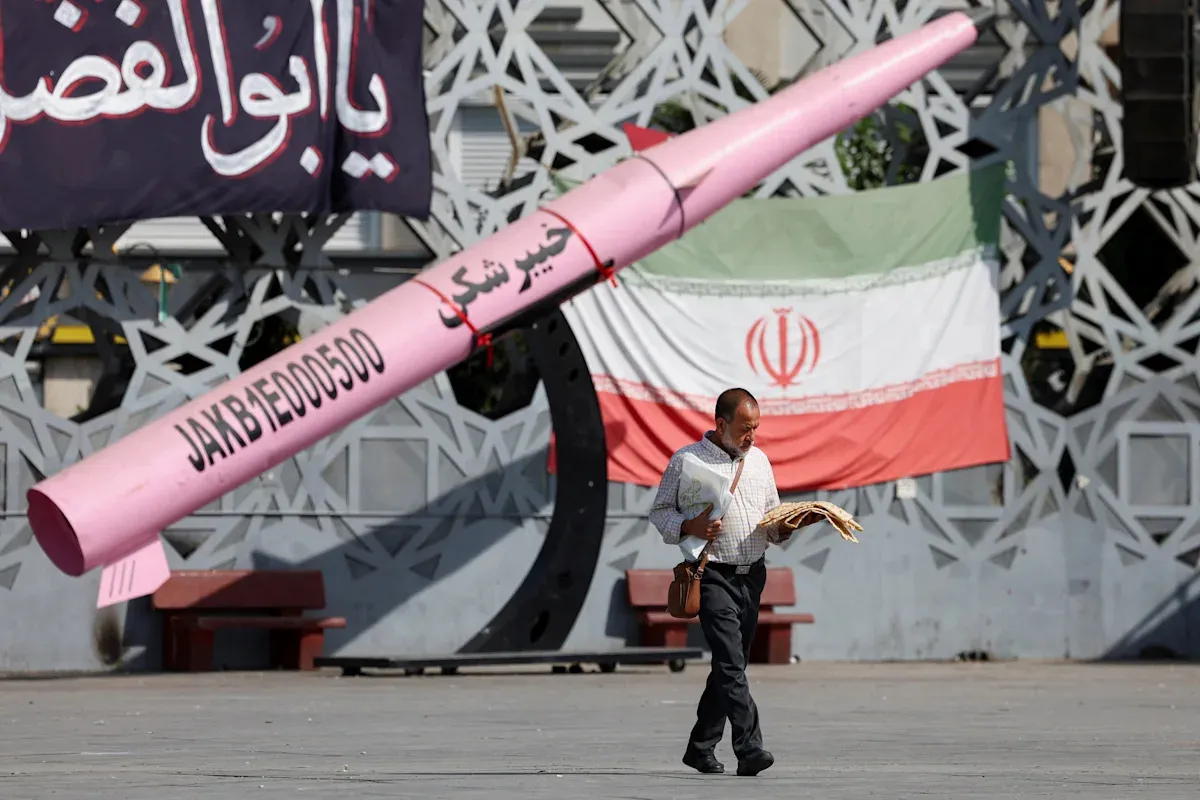
The backdrop for this market activity is the renewed conflict in the Middle East, specifically around the strategically important Strait of Hormuz, where US military operations have recently escalated. The situation has the potential to significantly impact global oil supplies and prices, which are already under pressure from ongoing inflation concerns.
US-Iran Conflict Escalates
Over the weekend, the US intensified its military presence near the Strait of Hormuz, responding to Iranian threats and retaliatory strikes against US allies, including Kuwait, Jordan, and Qatar. Iran's Islamic Revolutionary Guard Corps (IRGC) announced that the Strait would be closed indefinitely, a move that raises alarms over potential disruptions to oil shipping lanes. While the US insists that navigation remains unobstructed, the IRGC's statement has created an atmosphere of uncertainty that is reverberating throughout the financial markets.
Impact on Oil Prices
The surge in tensions has led to a notable spike in oil prices, with Brent crude approaching the $80 per barrel mark once again. This increase can be attributed to fears of supply constraints stemming from the conflict, as the Strait of Hormuz is a critical conduit for global oil transportation. Approximately 20% of the world's oil passes through this narrow passage, making any threat to its security a major concern for investors and global economies alike.
Market Reactions and Inflation Concerns
The fluctuations in oil prices are particularly significant given the context of ongoing inflationary pressures in the US economy. Investors are bracing themselves for two pivotal inflation reports this week: the Consumer Price Index (CPI) scheduled for release on Tuesday and the Producer Price Index (PPI) on Wednesday. These reports will provide crucial insights into the current state of inflation, which could influence the Federal Reserve's monetary policy decisions and the trajectory of interest rates moving forward.
- Consumer Price Index (CPI): Measures changes in the price level of a basket of consumer goods and services.
- Producer Price Index (PPI): Reflects changes in selling prices received by domestic producers for their output.
- Interest Rate Implications: Higher inflation could lead to increased interest rates by the Federal Reserve to curb spending and borrowing.
Upcoming Earnings Season
In addition to external geopolitical factors, the market is preparing for the unofficial start of the earnings season. Major financial institutions such as JPMorgan Chase, Goldman Sachs, and Bank of America are set to release quarterly results this week. Investors will be keenly focused on these earnings reports, as they will provide insights into the health of the banking sector and broader economic conditions.
Moreover, companies like Taiwan Semiconductor Manufacturing Company (TSMC) will be reporting their financial results, which will serve as a barometer for demand in the burgeoning artificial intelligence sector. The outcomes of these earnings reports could significantly influence market sentiment and investor confidence in the coming weeks.
Investor Strategies in Uncertain Times
With such a volatile backdrop, investors may want to consider a few strategies to navigate the uncertain market conditions:
- Diversification: Spreading investments across various asset classes can help mitigate risk.
- Staying Informed: Keeping abreast of geopolitical developments and economic indicators can provide a clearer picture for making investment decisions.
- Long-term Perspective: Maintaining a long-term investment strategy can help weather short-term market fluctuations.
As the situation develops, investors should remain vigilant and proactive in their financial planning, especially with the potential for further volatility in the market.
Key Takeaways
- The Dow Jones Industrial Average rose by 0.1%, while the S&P 500 and Nasdaq fell.
- US-Iran tensions are causing oil prices to spike, nearing $80 per barrel.
- Upcoming CPI and PPI reports could influence Federal Reserve interest rate decisions.
- Major earnings reports from key companies are expected this week.
Frequently Asked Questions
What is the significance of the Strait of Hormuz?
The Strait of Hormuz is a critical maritime chokepoint through which approximately 20% of the world's oil supply is transported. Any disruptions in this area can lead to significant spikes in oil prices and have a cascading effect on global economies. The heightened military tensions between the US and Iran pose a risk to the security of this vital shipping lane, which is why investors are closely monitoring developments in the region.
How do inflation reports affect the stock market?
Inflation reports, such as the CPI and PPI, provide essential data on the rate of price increases in the economy. If inflation is rising faster than expected, it may prompt the Federal Reserve to increase interest rates to keep inflation in check. Higher interest rates can dampen consumer spending and borrowing, which can negatively impact corporate profits and, subsequently, stock prices. Investors use these reports to gauge the economic climate and adjust their investment strategies accordingly.
What should investors consider during geopolitical tensions?
During times of geopolitical uncertainty, investors should prioritize diversification to spread risk across various asset classes. It is also crucial to stay informed about global developments that could affect market conditions. A long-term investment perspective can help investors avoid making impulsive decisions based on short-term market fluctuations. Additionally, having a clear financial plan can provide stability during turbulent times.
As the market continues to react to these developments, investors should remain cautious and informed.
Comments
Why Strategy's Bitcoin Holdings Remain Steady Amid Market Turmoil
Despite fluctuations in the crypto market and geopolitical tensions, Strategy opts to keep its Bitcoin holdings intact. This article explores the implications of this decision and what it means for investors.
Related articles





Popular in Investing
- Navigating the Dismal Landscape of 2026's Worst-Performing ETFs
- Stablecoin Market Faces $10 Billion Decline — What It Means for Investors
- Cotton Futures Surge Despite Increased Production Forecasts
- Avantus Secures $525 Million for Major California Solar Project
- Navigating the Pet Stocks Market: Opportunities Amidst Challenges