NVIDIA and Digital Realty: Navigating Challenges in AI Infrastructure
NVIDIA and Digital Realty are at a crossroads with their innovative AI factory project, facing significant challenges beyond mere funding. This article explores the implications of their partnership and the critical balance required between energy management and computing performance.
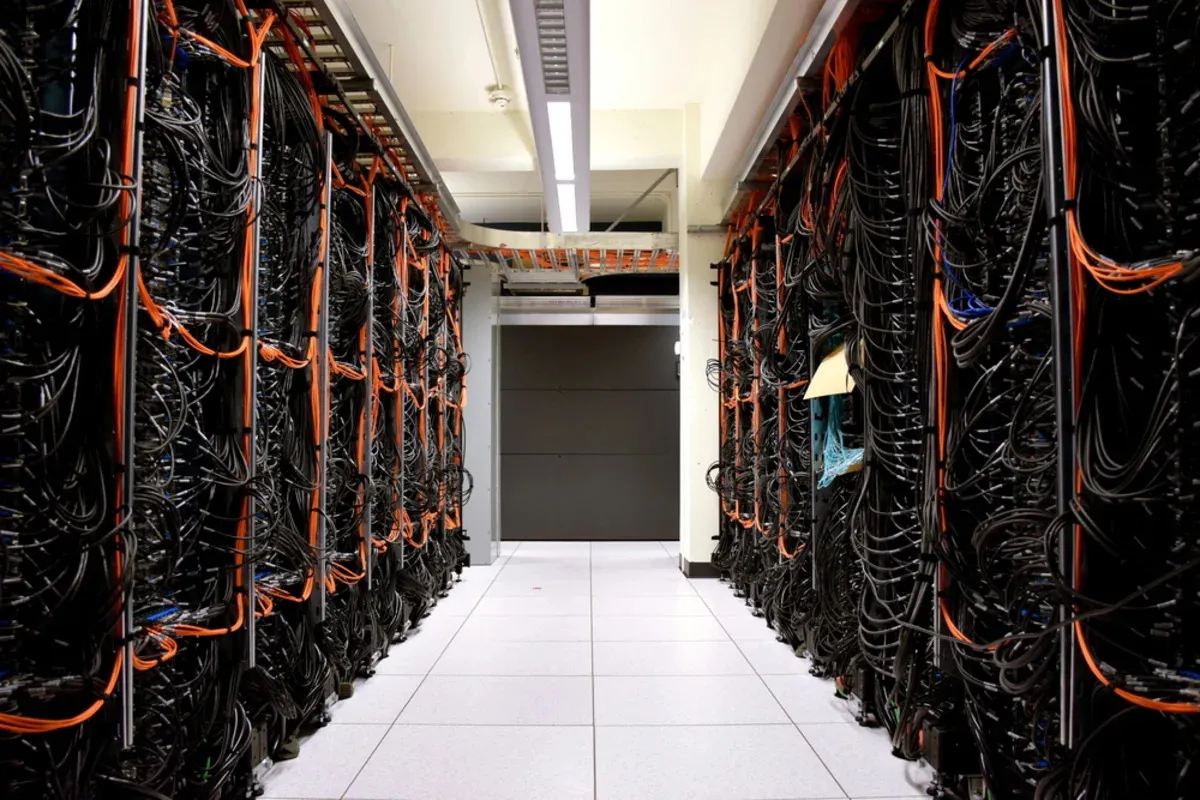
The landscape of artificial intelligence (AI) is rapidly evolving, with companies racing to establish robust infrastructures to support burgeoning technological demands. At the forefront of this race are NVIDIA Corporation and Digital Realty Trust, two giants in their respective fields. Their collaboration aims to create a state-of-the-art Flexible AI Factory in Manassas, Virginia, designed to optimize AI workloads while addressing critical challenges related to energy consumption and grid stability. However, recent developments reveal that more funding alone may not resolve the multifaceted issues that lie ahead.
Emerald AI's recent infusion of $150 million into this initiative is intended to bolster commercial expansion and operational efficiency. However, the success of this venture hinges not just on financial backing but on the delicate balance of flexibility in energy use and the performance demands of AI systems. As NVIDIA and Digital Realty work together to navigate these challenges, the implications for investors and the broader tech landscape are profound.

The Vision Behind the Flexible AI Factory
The Flexible AI Factory in Virginia is not merely a technological endeavor; it represents a strategic move to align AI infrastructure with the pressing realities of the power grid. The facility is set to utilize NVIDIA's advanced software and infrastructure controls in conjunction with Emerald's orchestration technology. This integration aims to coordinate computing workloads with onsite energy resources, enabling the facility to adjust its electricity consumption during peak demand periods.
Why Flexibility Matters
As the demand for AI computing continues to soar, so does the strain on electrical grids. The ability to dynamically manage energy use is crucial for maintaining operational efficiency without sacrificing performance. A system that can reduce electricity draw while still delivering valuable computational power is essential for the success of this project. If the facility can successfully manage its energy needs without compromising service quality, it could provide a significant competitive advantage for both NVIDIA and Digital Realty.
Investment Implications and Market Response
While the prospect of a flexible AI factory is enticing, investors are cautious. The project’s timeline has been pushed back, with an initial target of operational readiness in the first half of 2026. Investors are advised to manage their expectations and recognize that the facility may not be operational as soon as previously indicated.
- Financing Details: Emerald AI's $150 million is aimed at supporting the operational rollout but does not guarantee immediate financial returns.
- Market Dynamics: The evolving landscape of AI infrastructure requires companies to stay ahead of technological and regulatory challenges.
- Investor Sentiment: Recent data shows a slight increase in shareholders for both NVIDIA and Digital Realty, reflecting ongoing confidence despite uncertainties.
Challenges Ahead for NVIDIA and Digital Realty
Despite their ambitious plans, both companies face significant challenges that could impact their long-term viability. For NVIDIA, the need for an infrastructure that allows customers to deploy computing resources economically is paramount. If customers cannot effectively utilize NVIDIA's technology due to energy constraints, demand for their products may stagnate.
On the other hand, Digital Realty must ensure that its facilities remain attractive to potential clients. This means delivering reliable access to power while maximizing the efficiency of their data centers. The company’s revenue model hinges on its ability to generate rental returns from these facilities, making it essential for the project to demonstrate measurable operating results.
Long-Term Prospects and Strategic Considerations
For investors, the collaboration between NVIDIA and Digital Realty raises important strategic questions. While both companies are involved in the same technical effort, their financial benefits may not align proportionately. The lack of quantified earnings contributions from either company following the project announcement adds to investor caution.
As the AI landscape continues to evolve, companies must demonstrate not just technological capability but also the financial sustainability of their projects. The partnership between NVIDIA and Digital Realty could serve as a case study for the balance between innovation and practicality in the tech industry.
Key Takeaways
- NVIDIA and Digital Realty are developing a Flexible AI Factory to optimize AI workloads within power grid constraints.
- Emerald AI's $150 million funding aims to enhance operational efficiency but faces challenges beyond financial resources.
- The success of the factory depends on balancing energy flexibility with computational performance to meet customer needs.
- Investor confidence is mixed, with increasing shareholder interest amid uncertainties about the project’s timeline and financial returns.
- The partnership highlights the critical need for companies to align technological advancements with economic viability.
Frequently Asked Questions
What is the main goal of the Flexible AI Factory?
The primary aim of the Flexible AI Factory is to develop an infrastructure that can efficiently manage AI workloads while adapting its energy consumption based on the demands of the power grid. This flexibility is crucial for ensuring that AI systems can operate effectively without placing undue strain on electrical resources.
How does the recent funding from Emerald AI affect NVIDIA and Digital Realty?
Emerald AI's $150 million investment is intended to support the operational expansion of the Flexible AI Factory. While this funding provides necessary resources, the success of the project will ultimately depend on how well the companies can navigate the inherent challenges of balancing energy management with computational performance.
What are the potential risks for investors in this project?
Investors face several risks, including the uncertainty of the project's operational timeline and the potential for underwhelming financial returns. The lack of clearly defined earnings contributions from both NVIDIA and Digital Realty following the project announcement raises concerns about their ability to deliver on their promises.
Why is flexibility in energy use important for AI operations?
Flexibility in energy use is critical for AI operations because it allows data centers to adjust their power consumption during peak demand periods. This capability enables efficient operation without compromising the performance of AI systems, which is essential for meeting the growing demands of customers in a competitive market.
Disclaimer: The content is educational, not financial advice.
Comments
Market Outlook: Fed Rate Hike and Investment Opportunities
As the Federal Reserve prepares for a potential interest rate hike, investors are navigating a turbulent stock market influenced by rising oil prices and Treasury yields. This article explores the implications of these economic factors and highlights promising investment opportunities in companies like Apple and Moderna.

Related articles







Popular in Investing
- Navigating the Dismal Landscape of 2026's Worst-Performing ETFs
- Navigating the Turbulent Waters of Energy Markets: A Deep Dive
- Stablecoin Market Faces $10 Billion Decline — What It Means for Investors
- Cotton Futures Surge Despite Increased Production Forecasts
- Avantus Secures $525 Million for Major California Solar Project