Starbucks' $1 Billion Transformation: Can Cozy Stores Boost Profits?
Starbucks is investing $1 billion to revamp its stores into cozy spaces, aiming to increase customer traffic and profitability. But will these upgrades deliver the desired margins amidst rising competition?
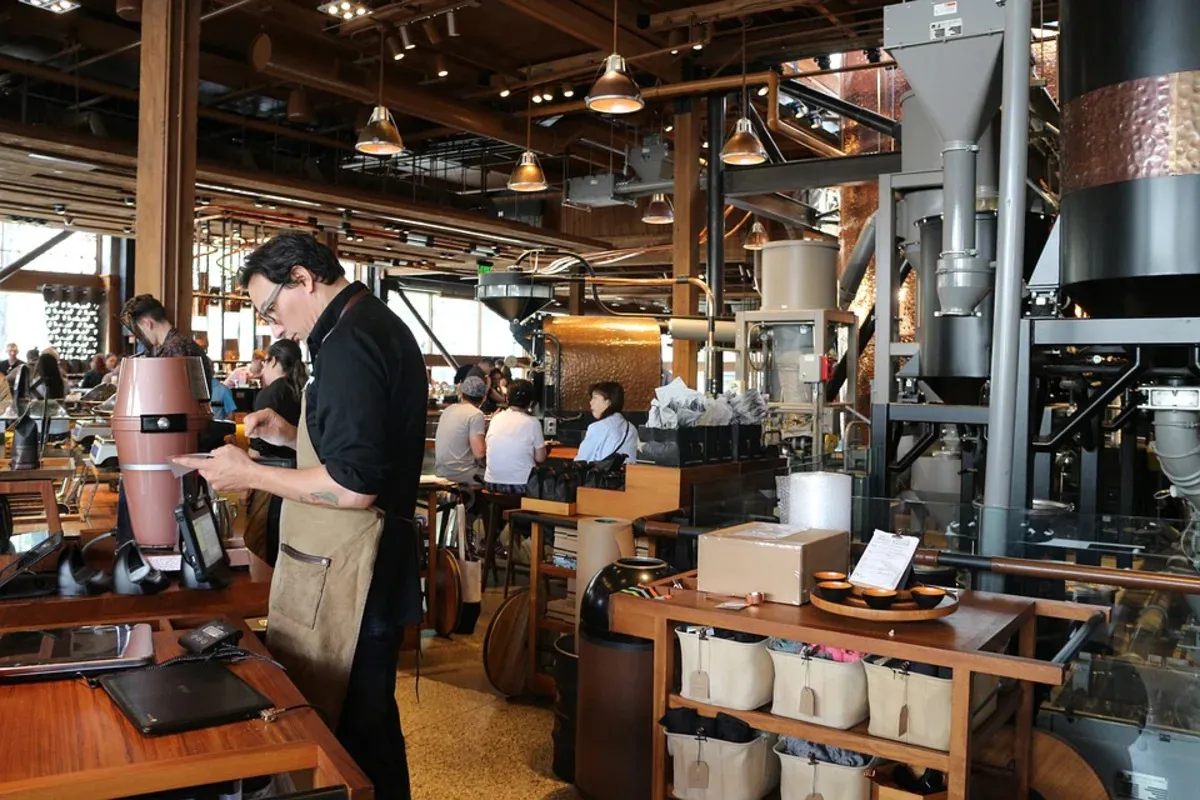
In a bold move to reshape its brand and enhance customer experience, Starbucks Corporation (NASDAQ:SBUX) is pouring a staggering $1 billion into transforming its stores into more inviting, cozy environments. This strategic shift is part of CEO Brian Niccol's broader "Back to Starbucks" initiative, which aims to rekindle the coffee giant's status as a 'third place'—a warm, welcoming venue where customers can linger, work, and socialize. But as Starbucks navigates this ambitious renovation plan, investors are left wondering: will these changes translate into improved profit margins?
Starbucks’ investment strategy comes on the heels of a significant recovery in sales, with global comparable-store sales soaring 7.9% in the latest quarter. However, while traffic appears to be rebounding, the question remains whether the company's margins, which have taken a hit in recent years, can bounce back alongside the increased customer flow.
The Cozy Revolution: What to Expect
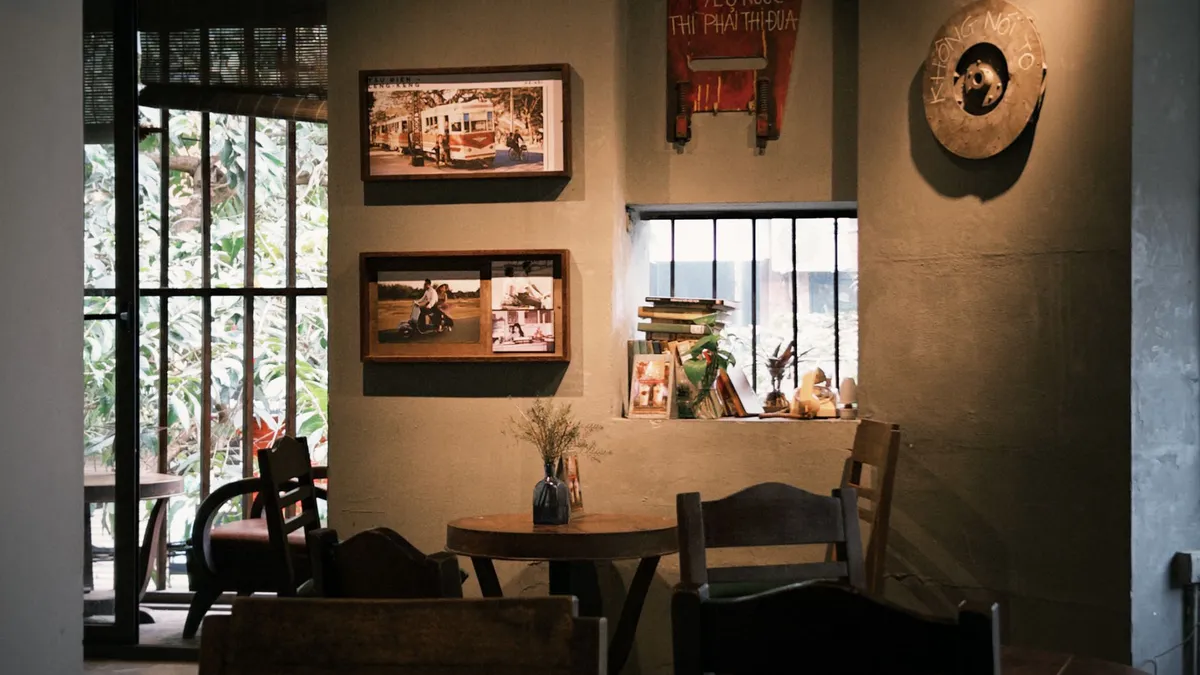
Starbucks plans to upgrade as many as 9,000 North American stores, emphasizing the addition of leather armchairs, warm rugs, and bookshelves to create a more inviting atmosphere. This transformation is not merely cosmetic; it’s a strategic pivot to encourage customers to stay longer and spend more. The company is investing approximately $150,000 per store on these upgrades—considerably less than previous renovation costs—allowing for swift execution that minimizes disruption to business operations.
By the end of September, Starbucks anticipates completing about 1,500 of these upgrades. The goal is to create a space that balances comfort with the convenience that has become a hallmark of the Starbucks experience. As mobile orders now constitute about one-third of U.S. transactions—up from just over 14% in 2019—the company recognizes the need to attract customers back into their stores, rather than relying solely on quick pick-up orders.
Restoring the 'Third Place' Concept
The 'third place' concept, popularized by sociologist Ray Oldenburg, refers to social environments separate from home (first place) and work (second place) where individuals can gather. For many years, Starbucks thrived as such a space, blending coffee culture with community engagement. However, the rise of mobile ordering and rapid service competitors has led to a shift in focus, with many locations becoming optimized purely for transactional efficiency. Niccol’s strategy aims to reverse this trend and restore the social aspect of the coffee shop experience.
Starbucks is banking on the idea that creating a more welcoming ambiance will not only draw in customers but also encourage them to purchase additional items during their visits. When customers linger, they are more likely to buy extra pastries or a second drink, which can significantly enhance overall sales. The potential benefits of this cozy upgrade could lead to a revitalized customer base, increased brand loyalty, and ultimately, higher profit margins.

Facing Margin Challenges
Despite the promising sales growth, Starbucks faces a daunting challenge: rising competition from both fast-growing coffee chains and independent shops that excel in creating welcoming atmospheres. Chains like Dutch Bros and 7 Brew prioritize speed and convenience, appealing to customers seeking quick service. Meanwhile, local coffee shops often thrive by fostering community ties and offering unique experiences that brand giants like Starbucks struggle to replicate.
Starbucks has reported that global operating margins have decreased from 15.8% two years ago to 12.9% in the latest fiscal results. Similarly, North American margins have plummeted from 21% to 13.6%. This concerning trend indicates that despite increased sales, profitability remains a significant hurdle for the company. The central question now is whether the $1 billion investment in store upgrades will drive enough traffic to justify the costs while simultaneously improving margins.
Institutional Investor Sentiment
Investor sentiment has shown mixed results as Starbucks embarks on its ambitious store upgrade plan. According to the latest 13F filings, institutional positioning remains generally constructive. For example, Fisher Asset Management has increased its Starbucks stake by 3% to an impressive $1.29 billion, signaling confidence in the company’s direction. Conversely, the entry of Alyeska Investment Group, with a substantial stake worth $170.49 million, reflects cautious optimism.
Short interest in Starbucks shares, which stood at approximately 40.01 million as of late August 2026 (representing 3.5% of the float), has seen a slight uptick but remains relatively contained. However, the stock currently trades at about 38.29 times forward earnings, considerably higher than its five-year average of 31.38 times. This elevated valuation raises the stakes for Starbucks, as investors will be closely watching for signs that the cozy concept can lead to both enhanced traffic and improved profitability.
What Lies Ahead for Starbucks
As Starbucks rolls out its new store designs, the effectiveness of this investment will be put to the test. The company's ability to balance the dual objectives of increasing customer visits while also enhancing margins will be critical. If the upgrades successfully create a welcoming atmosphere that encourages longer visits and higher spending, the financial benefits could be substantial. However, if the cozy ambiance fails to translate into profitability, Starbucks may struggle to reconcile the costs of its ambitious plan with its stock valuation.
In summary, Starbucks’ $1 billion bet on transforming its stores into warm, inviting spaces reflects a strategic attempt to reclaim its status as a community hub. While the initial signs of recovery in sales are promising, the ultimate test will be whether these changes can yield sustainable profit margins amidst fierce competition.
Key Takeaways
- Starbucks is investing $1 billion to revamp North American stores into cozy environments.
- The upgrades aim to restore the 'third place' concept, encouraging customers to linger and spend more.
- Despite rising sales, profit margins have decreased significantly in recent years.
- Investor sentiment remains mixed, with institutional holders cautiously optimistic about the company’s future.
- The success of the renovations will be critical in justifying the high stock valuation.
Frequently Asked Questions
What is the 'third place' concept, and why is it important for Starbucks?
The 'third place' concept refers to social environments that provide a space for community interaction outside of home and work. For Starbucks, creating such an environment is crucial as it helps build brand loyalty and encourages customers to spend more time (and money) in their stores. By investing in cozy upgrades, Starbucks aims to reclaim its role as a community hub, fostering a sense of belonging among its customers.
How has Starbucks’ sales performance changed in recent quarters?
Starbucks has seen a notable recovery in sales, with global comparable-store sales increasing by 7.9% in the latest quarter. This growth is attributed to a combination of higher transaction volumes and increased average ticket sizes, indicating that customers are not only returning but are also willing to spend more per visit. This positive trend is essential for the company as it seeks to improve profitability alongside revenue growth.
What challenges does Starbucks face in improving its profit margins?
Starbucks faces significant challenges in improving its profit margins due to increasing competition from both fast-service coffee chains and independent coffee shops. While the company is revitalizing its stores to promote customer retention and spending, it must also manage rising operational costs and navigate a market that has shifted towards speed and convenience. Balancing these factors will be crucial for the company's long-term profitability.
How does Starbucks' current stock valuation reflect investor sentiment?
Starbucks' stock is currently trading at a high multiple of 38.29 times forward earnings, well above its historical average. This elevated valuation indicates that investors are optimistic about the company's future growth prospects, particularly regarding its ability to improve customer traffic and profitability through the new store upgrades. However, this optimism also means that the company must deliver on its promises to sustain investor confidence and justify its stock price.
This content is educational, not financial advice.
Comments
Court Ruling Elevates DraftKings and Flutter, Challenges Prediction Markets
A recent Ninth Circuit Court ruling categorizes sports prediction markets as gambling, not federally regulated trading, boosting shares of DraftKings and Flutter while challenging the operational landscape for prediction market platforms like Kalshi.

Related articles





Popular in Investing
- Navigating the Dismal Landscape of 2026's Worst-Performing ETFs
- Navigating the Turbulent Waters of Energy Markets: A Deep Dive
- Stablecoin Market Faces $10 Billion Decline — What It Means for Investors
- Cotton Futures Surge Despite Increased Production Forecasts
- Avantus Secures $525 Million for Major California Solar Project