Understanding Strategy's Preferred Stock Buybacks and Market Impact
Strategy's aggressive buybacks have pushed its preferred stock closer to par value, but at what cost? Explore the implications for investors and the company's Bitcoin strategy.

In recent months, Strategy (NASDAQ: MSTR) has made headlines for its aggressive buyback strategy aimed at increasing the value of its preferred stock, known as Stretch (NASDAQ: STRC). Following nearly $1 billion in repurchases, the stock price has rebounded from below $75 per share to nearly par value at $97.07 as of September 17, 2026. However, this resurgence raises important questions about the company’s long-term strategy, particularly in relation to its investments in Bitcoin, a core component of its business model.
Preferred stock typically offers investors a fixed dividend and a higher claim on assets than common stock, making it an attractive option for income-seeking investors. In this case, Strategy's preferred shares come with a 12% annualized dividend yield, paid out bi-monthly at $0.50 per share. These features contribute to the stock's appeal, especially during volatile market conditions. Nevertheless, the company’s significant focus on buybacks has prompted criticism, particularly regarding its impact on the acquisition of Bitcoin, which has historically been at the center of Strategy’s investment strategy.
The Mechanics of Buybacks and Par Value
To understand the implications of Strategy's buyback activities, it's essential to grasp the concept of par value. Par value is the nominal value assigned to a stock by its issuing company, typically set at $100 for preferred stocks. While this value is largely symbolic and does not reflect the market price, it serves as a baseline for the stock's worth. Strategy's recent efforts to bring its preferred stock back to this level through buybacks illustrate the company's commitment to maintaining shareholder confidence and ensuring a steady income stream for investors.
As of the end of July, Strategy had repurchased nearly 9.96 million preferred shares at a staggering cost of $950.8 million. This was followed by an additional buyback of 1,420,467 shares for $139.3 million between September 8 and September 13. In total, the company has executed buybacks on eight separate occasions since the end of June, showcasing a robust commitment to this strategy.
Investor Sentiment: A Double-Edged Sword
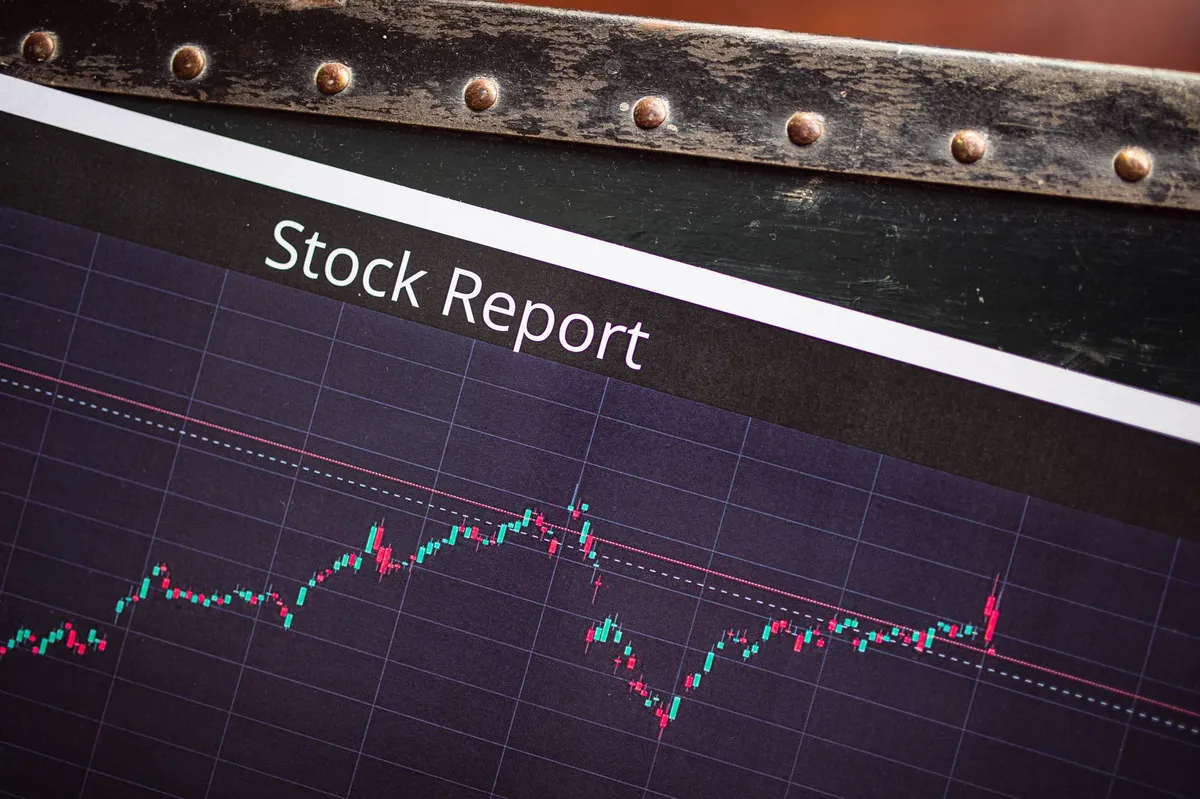
While the buybacks have effectively increased the stock price of STRC, investor sentiment remains mixed. Some investors laud Strategy's aggressive approach to restoring par value, viewing it as a stabilizing force within the company. Others, however, criticize this focus, arguing that it has diverted attention away from the company's core mission of accumulating Bitcoin. The criticism is particularly relevant given that Strategy has sold some of its Bitcoin holdings at a loss to fund these buybacks, raising questions about the sustainability of its dual strategy.
This tension between preferred stock buybacks and Bitcoin acquisition is critical for current and potential investors to consider. The cryptocurrency market is notoriously volatile, and while the price of Bitcoin has shown signs of recovery, consistent investments in Bitcoin could yield more robust long-term benefits compared to short-term stock price stabilization.
Market Context: Performance and Future Outlook
The broader market context adds another layer of complexity to Strategy's situation. Over the past year, MSTR stock has seen a 62% decline, currently trading at $126.18 per share. This drop underscores the challenges the company faces in a competitive cryptocurrency market, where investor confidence can fluctuate dramatically based on market conditions and regulatory developments. As a result, maintaining a focus on preferred stock buybacks could be a way for Strategy to reassure investors amid this uncertainty.
With Bitcoin recently surpassing $80,000, the potential for significant returns looms large for companies heavily invested in the cryptocurrency. The decision to sell off some Bitcoin holdings to fund buybacks, while appearing prudent in the short term, could hinder Strategy’s ability to capitalize on future market gains. Investors must weigh the benefits of immediate financial returns against the long-term growth potential of Bitcoin investments.

Implications for Investors
For current and prospective investors, the situation presents a unique set of considerations:
- Income Stability: The 12% annualized dividend yield on preferred stock offers an attractive income stream, especially in uncertain market conditions.
- Market Volatility: Investors should be mindful of the broader market trends affecting both cryptocurrency and stock prices.
- Strategic Focus: Assessing Strategy's commitment to Bitcoin acquisitions versus preferred stock buybacks is crucial for understanding long-term investment potential.
- Risk Management: Selling Bitcoin at a loss may indicate cash flow issues or a misalignment of strategic priorities, which could impact overall investment performance.

Key Takeaways
- Strategy’s preferred stock buybacks have brought its price closer to par value, currently at $97.07.
- The company has spent nearly $1 billion on share buybacks since June.
- Investors are concerned that the focus on buybacks detracts from Bitcoin accumulation.
- MSTR stock has dropped 62% in the past year, highlighting market volatility.
- The preferred stock offers a 12% annual yield, appealing to income-focused investors.
Frequently Asked Questions
What is preferred stock, and how does it differ from common stock?
Preferred stock is a type of equity security that typically pays a fixed dividend and has priority over common stock in the event of liquidation. Unlike common stockholders, preferred stockholders generally do not have voting rights. This distinction makes preferred stock an attractive option for investors seeking regular income, while common stock may offer higher growth potential.
Why is Strategy focusing on buybacks instead of Bitcoin acquisitions?
Strategy's focus on buybacks is primarily aimed at restoring investor confidence and stabilizing stock prices. The company believes that by repurchasing its preferred shares, it can support the stock price and provide a reliable income stream for investors. However, this strategy has raised concerns that it may detract from the company's core mission of accumulating Bitcoin, which could offer greater long-term value as the cryptocurrency market evolves.
How do buybacks impact a company’s stock price?
Buybacks can positively influence a company’s stock price by reducing the number of shares available in the market, thereby increasing earnings per share (EPS) and potentially making the stock more attractive to investors. However, the effectiveness of this strategy depends on market conditions and investor sentiment, as the long-term success of buybacks should also align with the company's overall growth strategy.
What should investors consider when evaluating Strategy’s stock?
Investors should evaluate Strategy’s stock based on several factors, including the stability of the preferred stock dividend, the potential for growth in Bitcoin investments, and the company’s overall financial health. Understanding the risks associated with both the cryptocurrency market and the stock buyback strategy is essential for making informed investment decisions.
Comments
5 Wealth-Building Stocks to Consider for Your Inheritance Strategy
As the Great Wealth Transfer unfolds, investing wisely in stocks can help ensure a lasting legacy for your children. Here are five stocks to consider for building wealth that can be passed on.

Related articles






Popular in Investing
- Navigating the Dismal Landscape of 2026's Worst-Performing ETFs
- Navigating the Turbulent Waters of Energy Markets: A Deep Dive
- Stablecoin Market Faces $10 Billion Decline — What It Means for Investors
- Cotton Futures Surge Despite Increased Production Forecasts
- Avantus Secures $525 Million for Major California Solar Project