Navigating Bitcoin's Volatility: Understanding the Dip and Its Implications
Bitcoin's recent fluctuations have sparked renewed interest in buying the dip. This article explores the factors behind Bitcoin's volatility and offers insights on how to approach cryptocurrency investments amidst uncertainty.

In the ever-evolving landscape of cryptocurrency, few assets elicit as much passion and debate as Bitcoin. Recently, the price of Bitcoin experienced a notable 2% drop, only to rebound shortly after comments from former President Donald Trump stirred the market. As Bitcoin's price whipsawed amid news cycles and regulatory developments, many investors were left wondering whether now is the time to buy the dip or whether this volatility signals deeper issues within the market.
Bitcoin, which began its journey in 2009, has carved a niche as the most recognized cryptocurrency, yet it remains a highly speculative investment. Its price movements are often influenced by external factors, ranging from corporate decisions to celebrity endorsements, making it crucial for investors to understand the underlying dynamics before diving into the market.

The Ripple Effect of Market Sentiment
On July 6, Bitcoin's price fell after a significant corporate player, Strategy, revealed it had sold approximately $216 million worth of its Bitcoin holdings. This marked the second time this year that the company had opted to liquidate part of its investment, a stark contrast to its previous stance of 'never selling.' This decision was likely influenced by the company's staggering $12.54 billion net loss in the first quarter of the year, which coincided with a steep decline in Bitcoin's value.
The immediate aftermath of this news was a 1.8% price rebound for Bitcoin, triggered by Trump's statement that he has become "a big crypto guy." Such reactions underscore the volatile nature of the cryptocurrency market, which can swing dramatically based on news cycles and public sentiment.
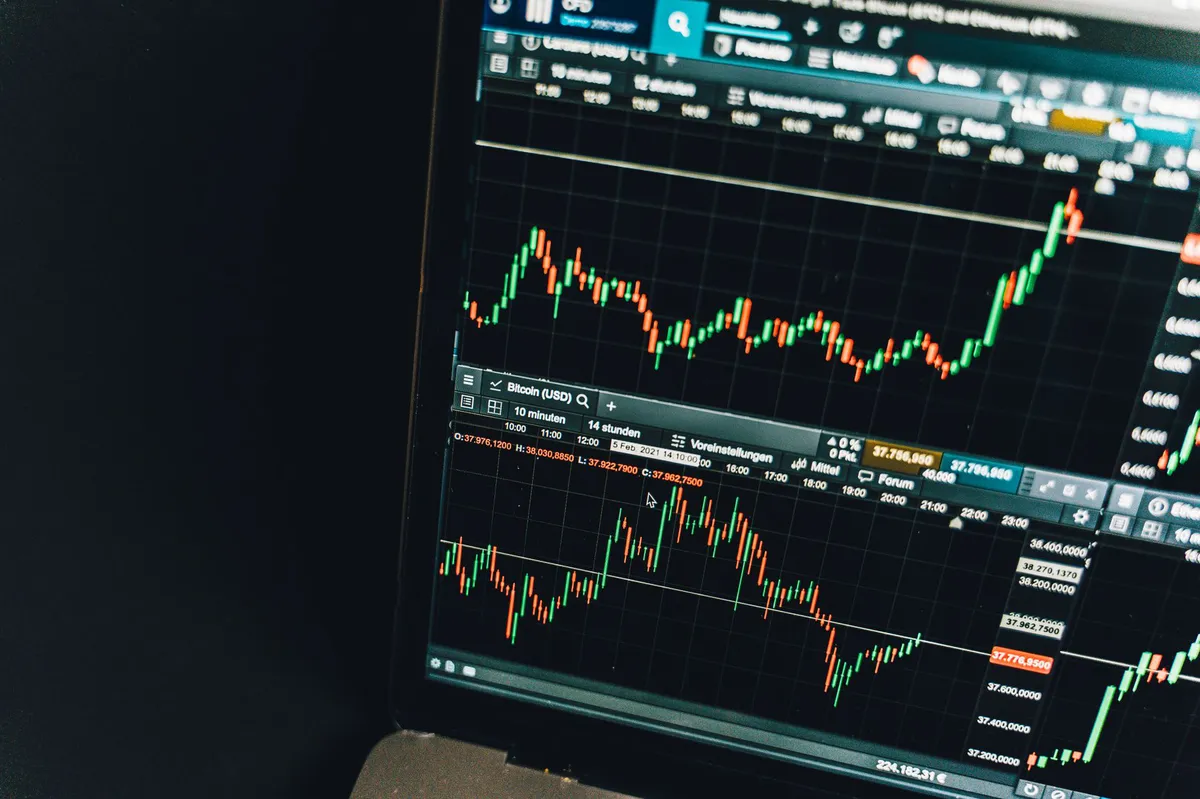
Understanding Buying the Dip
Buying the dip is a common investment strategy that involves purchasing an asset after it has decreased in value, with the expectation that it will rise again. However, the risks associated with this strategy in the cryptocurrency market are pronounced, especially given Bitcoin's historical price fluctuations. Over the past year, Bitcoin's value has plummeted by more than 45%, dropping from a high of $125,000 to around $65,000.
For current Bitcoin holders, the decision to buy more, hold, or sell hinges on several factors:
- Market Conditions: Is the dip a short-term reaction to news, or does it indicate a longer-term bear market?
- Risk Tolerance: Are you prepared to lose your investment, as crypto does not come with the same protections as traditional securities?
- Investment Horizon: Are you willing to hold your investment for several years, as experts suggest, to weather the volatility?
Volatility vs. Stability
Unlike traditional stocks, cryptocurrencies are not tied to cash flows or dividends, making them inherently riskier. They also lack the stability provided by regulatory frameworks that govern stock markets. As a result, the potential for significant losses is higher, which is something every investor should consider.

Strategies for Crypto Investment
When contemplating an investment in Bitcoin or other cryptocurrencies, several strategies can help mitigate risk:
- Dollar-Cost Averaging (DCA): This approach involves investing a fixed amount regularly, regardless of the asset's price fluctuations. This method can help lower the average cost of your investment over time.
- Limit Exposure: Financial experts, including those from Morgan Stanley, recommend limiting cryptocurrency holdings to 2%-4% of an investment portfolio for moderate to aggressive investors, and potentially zero for conservative portfolios.
- Consider Crypto ETFs: Exchange-traded funds (ETFs) provide exposure to a basket of cryptocurrencies, allowing investors to participate in the market without directly owning the assets.
Consulting Financial Advisors
Before diving into the cryptocurrency space, especially during periods of volatility, it may be beneficial to consult with a financial advisor. They can provide personalized advice on how cryptocurrencies should fit into your overall investment strategy, considering factors like risk tolerance, financial goals, and market conditions.
Market Trends and Future Outlook
The cryptocurrency market is notorious for its rapid changes, driven by technological advancements, regulatory developments, and shifts in investor sentiment. As Bitcoin continues to navigate these challenges, its long-term viability remains a topic of debate. Some analysts argue that the digital currency will rebound and become a stable part of the financial landscape, while others caution against potential regulatory crackdowns and market saturation.
Ultimately, understanding the nuances of Bitcoin and the broader cryptocurrency market is vital for any potential investor. Staying informed about market trends and maintaining a disciplined investment approach can help mitigate risks associated with this volatile asset class.
Key Takeaways
- Bitcoin's volatility: The cryptocurrency market is highly reactive to news events, leading to significant price fluctuations.
- Buying the dip strategy: Investors should understand market conditions and their risk tolerance before making decisions.
- Dollar-cost averaging: A strategy to mitigate risk by investing fixed amounts at regular intervals.
- Consult a financial advisor: Personalized advice can help navigate the complexities of cryptocurrency investments.
Frequently Asked Questions
What should I consider before investing in Bitcoin?
Before investing in Bitcoin, consider your risk tolerance, investment goals, and the amount of capital you are willing to lose. Given the high volatility of cryptocurrencies, it is wise to invest only what you can afford to lose. Additionally, understanding market conditions and potential regulatory changes is crucial for making informed decisions.
How can I safely buy and store cryptocurrencies?
To safely buy cryptocurrencies, use reputable exchanges and consider utilizing a digital wallet for secure storage. Hardware wallets offer an added layer of security by storing your assets offline, reducing the risk of hacks. Always enable two-factor authentication and keep your private keys secure to prevent unauthorized access to your holdings.
What is the difference between crypto ETFs and direct cryptocurrency investments?
Crypto ETFs allow investors to gain exposure to a range of cryptocurrencies without directly owning them. These funds typically hold a basket of digital assets and can be traded on traditional stock exchanges. In contrast, direct investments require the purchase of cryptocurrencies through exchanges, necessitating the use of digital wallets for storage and management.
Is it too late to invest in Bitcoin?
The decision to invest in Bitcoin should be based on individual financial circumstances and market conditions rather than market sentiment. While Bitcoin has experienced significant price changes, long-term investors may still find opportunities. Conduct thorough research and consult with financial advisors to determine if it aligns with your investment strategy.
This content is educational and not financial advice.
Comments
Investing Smart: Why ArcelorMittal is a Top Stock Under $100
ArcelorMittal (MT) is emerging as a noteworthy investment option under $100, thanks to its strategic share buyback program and commitment to sustainability. This article explores its market position, financial performance, and what investors should consider before diving in.

Related articles







Popular in Investing
- Navigating the Dismal Landscape of 2026's Worst-Performing ETFs
- Navigating the Turbulent Waters of Energy Markets: A Deep Dive
- Stablecoin Market Faces $10 Billion Decline — What It Means for Investors
- Cotton Futures Surge Despite Increased Production Forecasts
- Avantus Secures $525 Million for Major California Solar Project