Fort Knox Gold: The Untold Stories Behind America's Precious Reserves
As the U.S. dollar is no longer backed by gold, many Americans wonder about the status of the gold reserves at Fort Knox. This article explores the implications of this shift in monetary policy and how it affects everyday investors.
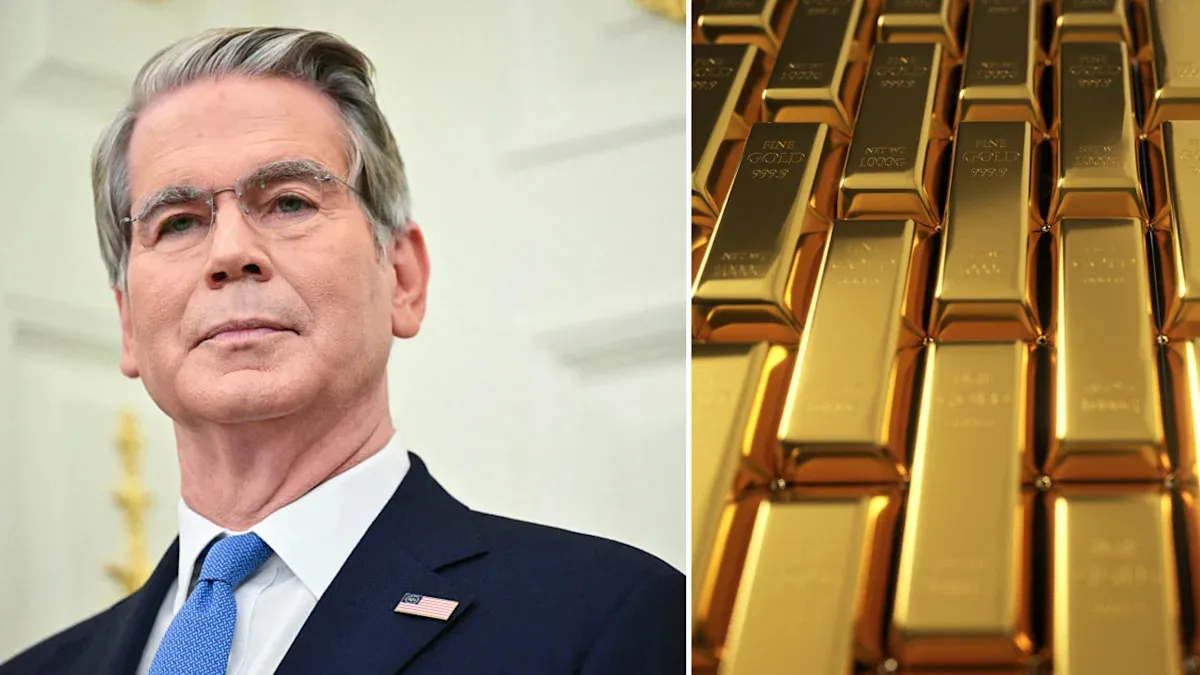
The image of Fort Knox, the United States Bullion Depository, is one that evokes curiosity and mystery among Americans. Recently, Treasury Secretary Scott Bessent addressed this curiosity, affirming that the gold reserves at Fort Knox are intact. However, he also highlighted a significant shift in the financial landscape: today’s dollar is no longer backed by gold. This transition from a gold standard to fiat currency has profound implications not only for the economy but also for individual investors seeking to safeguard their wealth.
Understanding the current state of gold reserves and the nature of fiat currency is essential for anyone looking to navigate the complexities of personal finance today. This article will explore the historical context of gold reserves in the U.S., the significance of this shift to fiat currency, and how everyday investors can protect themselves against inflation and economic instability.
The Historical Context of Fort Knox and Gold Reserves
Established in 1936, Fort Knox is a highly fortified facility located adjacent to a U.S. Army post in Fort Knox, Kentucky. It was constructed to store the nation’s gold reserves securely. According to the U.S. Mint, Fort Knox currently holds approximately 147.3 million ounces of gold, which is valued at over $1 trillion at current market rates. Despite its significance, it’s crucial to note that Fort Knox is only one component of America’s overall gold reserves.
For decades, the U.S. dollar was directly tied to gold under the Bretton Woods system, which allowed foreign governments to exchange U.S. dollars for gold at a fixed rate. This arrangement provided a level of stability and confidence in the dollar, as it was backed by a tangible asset. However, this relationship severed in August 1971 when President Richard Nixon closed the so-called "gold window," marking the transition to a fiat currency system where the dollar is backed solely by the "full faith and credit" of the U.S. government.
The Shift to Fiat Currency
With the transition to fiat currency, the U.S. government gained the ability to print money without needing to hold corresponding gold reserves. While this has allowed for more flexibility in monetary policy, it has also led to concerns about inflation. Critics argue that the Federal Reserve's ability to create money at will can lead to excessive inflation, eroding the purchasing power of the dollar over time. For instance, according to the Federal Reserve Bank of Minneapolis, $100 in 1971 holds the same purchasing power as only about $12.25 today.
- Fort Knox holds 147.3 million ounces of gold.
- The U.S. dollar transitioned to fiat currency in 1971.
- Inflation has significantly eroded the dollar's purchasing power over decades.

The Global Gold Landscape
Despite the abandonment of the gold standard, gold remains a crucial asset for many countries. Recently, Bessent confirmed that the U.S. has been receiving gold from Venezuela, reflecting a growing trend among nations to bolster their gold reserves. According to the World Gold Council, central banks worldwide have purchased an average of approximately 1,000 metric tons of gold annually over the past four years, nearly double the amount from the previous decade. This signals a renewed recognition of gold's value as a hedge against economic uncertainty.
Why Governments Still Value Gold
Investing in gold is often viewed as a safe haven during times of economic turmoil. Unlike fiat currency, which can be printed in unlimited quantities, gold is a finite resource, making it a more stable asset in times of inflation or currency devaluation. As noted by Ray Dalio, founder of Bridgewater Associates, a diversified investment portfolio should include gold as a hedge against adverse market conditions.
Gold Investments for Everyday Americans
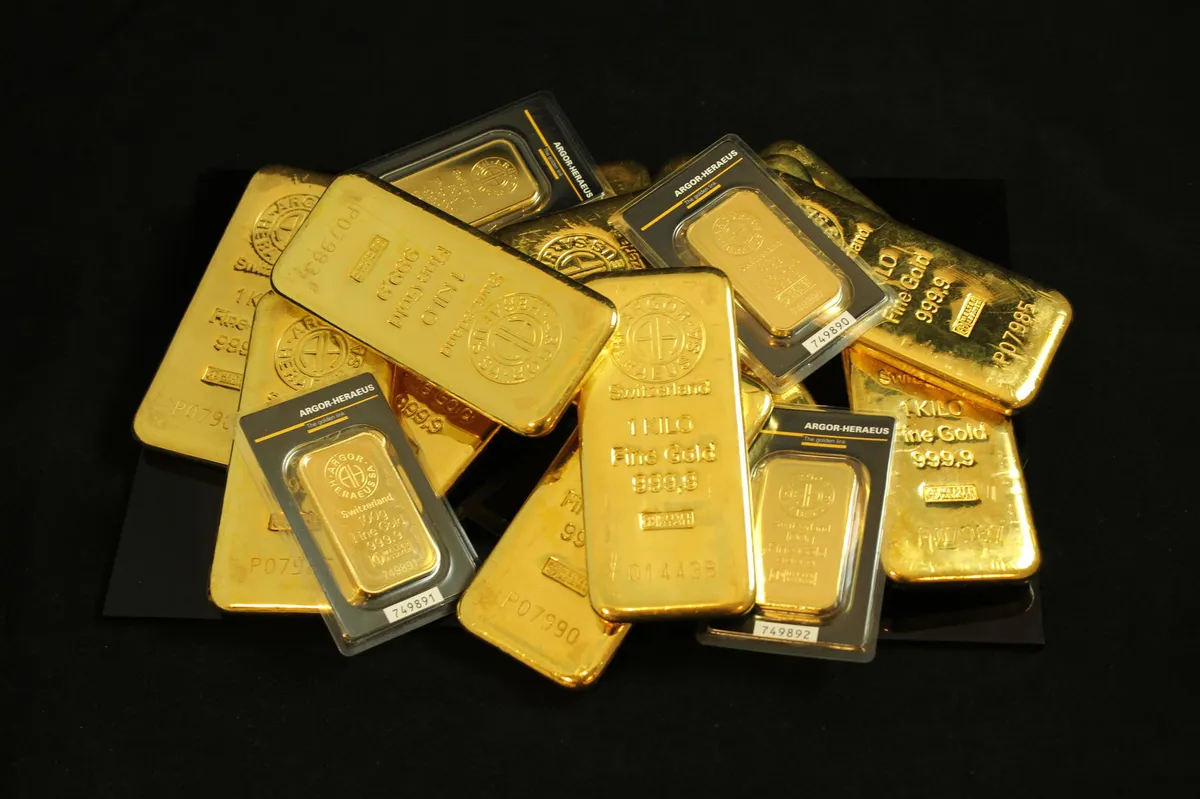
While most Americans do not have access to a vault like Fort Knox, they can still incorporate gold into their investment portfolios. One of the most popular methods is through a Gold IRA (Individual Retirement Account), which allows investors to hold physical gold or gold-related assets within a tax-advantaged retirement account. Goldco, for instance, offers these accounts and provides resources for investors to educate themselves about gold investments.
Investing in a Gold IRA can be appealing because it combines the potential for wealth preservation with the tax advantages of traditional IRAs. Goldco also promotes a tiered incentive program where they match a percentage of qualified purchases in free silver, enhancing the investment’s value.
Real Estate: A Complementary Investment
While gold can be a strong hedge against inflation, it is not the only asset that investors should consider. Real estate has historically been another effective means of preserving wealth during inflationary periods. As property values tend to rise with inflation, investing in real estate can provide both appreciation and rental income, which often increases alongside inflation.
For those hesitant to invest in physical properties due to high prices or management responsibilities, real estate crowdfunding platforms offer an attractive alternative. Platforms like Mogul enable investors to participate in real estate ventures without the burdens of direct ownership. With minimum investments starting at around $15,000, investors can access high-quality rental properties that yield returns without the hassle of being a landlord.

Key Takeaways
- The U.S. dollar is no longer backed by gold, having transitioned to a fiat currency system in 1971.
- Fort Knox holds a significant portion of U.S. gold reserves, valued at over $1 trillion.
- Gold remains a valuable asset for investors, particularly in times of economic uncertainty.
- Gold IRAs offer tax advantages while allowing for physical gold investments.
- Real estate investments can also serve as a hedge against inflation.
Frequently Asked Questions
Is the gold at Fort Knox actually there?
Yes, according to Treasury Secretary Scott Bessent, the gold reserves at Fort Knox are intact and accounted for. However, it’s important to recognize that the gold at Fort Knox no longer backs the U.S. dollar, which has shifted to a fiat system where the currency is based on trust in the government.
How can I invest in gold?
Investing in gold can be accomplished through various means, including purchasing physical gold, investing in gold ETFs (exchange-traded funds), or opening a Gold IRA. A Gold IRA allows you to hold physical gold within a retirement account, providing both investment security and tax advantages.
Why should I consider adding gold to my investment portfolio?
Gold is often seen as a safe haven asset that can help protect against inflation and economic instability. As the purchasing power of the dollar declines, holding gold can preserve wealth and provide a hedge against market volatility.
What are the risks associated with investing in gold?
While gold can be a good hedge against inflation, it is not without risks. The price of gold can be volatile, and it does not generate income like stocks or real estate. Therefore, it’s essential to consider your investment strategy and ensure that gold fits within a diversified portfolio.
This content is educational and not financial advice.
Comments
What to Expect from Uber Technologies' Upcoming Earnings Report
As Uber Technologies prepares to release its Q2 earnings, analysts predict a positive growth trajectory despite recent challenges. Here's what investors need to know.

Related articles


Popular in Investing
- Navigating the Dismal Landscape of 2026's Worst-Performing ETFs
- Navigating the Turbulent Waters of Energy Markets: A Deep Dive
- Stablecoin Market Faces $10 Billion Decline — What It Means for Investors
- Cotton Futures Surge Despite Increased Production Forecasts
- Avantus Secures $525 Million for Major California Solar Project