Goldman's Oil Market Warning: What It Means for Consumers and Investors
Goldman Sachs has issued a fresh warning about the oil market, signaling potential price volatility due to geopolitical tensions in the Persian Gulf. With oil flows impacted by renewed tanker attacks, consumers may face rising fuel costs that could influence inflation and interest rates.
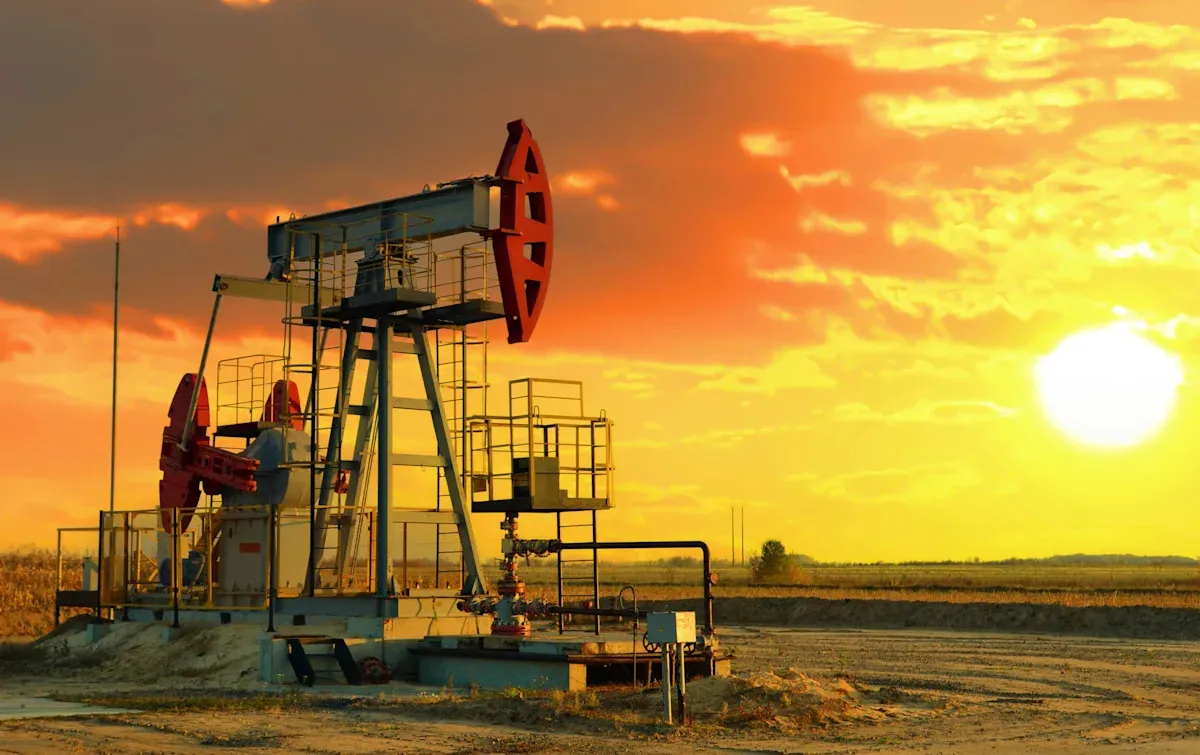
In a world increasingly dependent on oil, the implications of fluctuating prices are felt by everyone, from the family filling up their gas tank to businesses grappling with logistics costs. Recently, Goldman Sachs issued a stark warning regarding the oil market, indicating that geopolitical tensions in the Persian Gulf could lead to a significant rise in oil prices. As the global economy continues to navigate the complexities of recovery post-pandemic, this warning serves as a crucial reminder of how vulnerable our economic stability can be to external shocks.
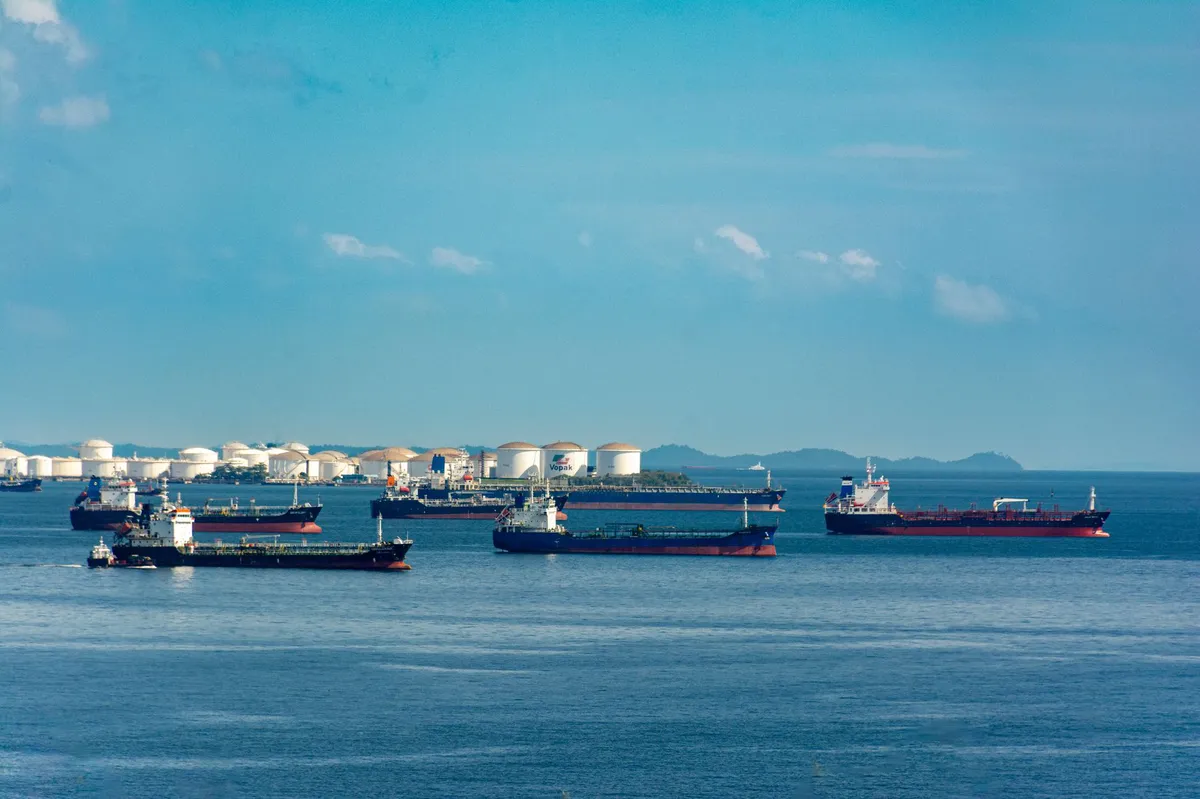
For a brief period, there was a sense of relief in the oil market. A diplomatic agreement between the United States and Iran resulted in the reopening of the Strait of Hormuz, a critical shipping lane responsible for approximately 20% of the world's oil supply. This development temporarily alleviated concerns over supply disruptions, allowing oil prices to stabilize. However, recent events have reversed this trend, with Goldman Sachs cautioning that renewed attacks on oil tankers in the region pose a serious risk to oil flows and, consequently, prices.
Understanding the Dynamics of Oil Supply and Demand
To grasp the significance of Goldman's warning, it is essential to explore the intricate dynamics of oil supply and demand. The oil market operates on a delicate balance; any disruption can lead to price volatility that ripples through the economy.
The Role of the Strait of Hormuz
The Strait of Hormuz is not just a geographic feature; it is a vital artery for global oil transportation. When tensions rise in this region, as they did earlier this year, the potential for supply disruptions becomes a pressing concern for traders and consumers alike. In late February, conflicts led to the closure of the strait, causing oil prices to surge as traders anticipated shortages. With exports from the Gulf falling below 50% of pre-war levels, the situation has become precarious again.
Goldman's Latest Predictions and Price Projections
Goldman Sachs has adjusted its projections in light of the recent developments. The bank now estimates that the market is short approximately 13.4 million barrels of oil per day from the Persian Gulf. This shortfall poses a dilemma: either demand must significantly decrease, or inventory must be drawn down. If tensions persist, the bank warns that we could see Brent crude prices overshooting $110 per barrel, while the base case remains at $80 per barrel for the fourth quarter of 2026 and $75 for 2027.
- Base Case: Brent averaging $80 a barrel in Q4 2026
- Upside Case: Prices could exceed $110 per barrel if tensions escalate
- Downside Case: Prices could slide into the $60s if production recovers faster than expected
The Impact of Global Demand on Oil Prices
While supply issues are critical, global demand also plays a significant role in shaping oil prices. China, a major consumer of oil, has seen its crude imports decrease significantly. Goldman Sachs noted that Chinese imports may have bottomed out after a drop of 5 million barrels per day year-over-year in June. Although the country holds a substantial stockpile, the expectation is that demand will eventually rebound as Middle Eastern producers adjust their pricing strategies.
Inflation and Interest Rates: The Ripple Effect
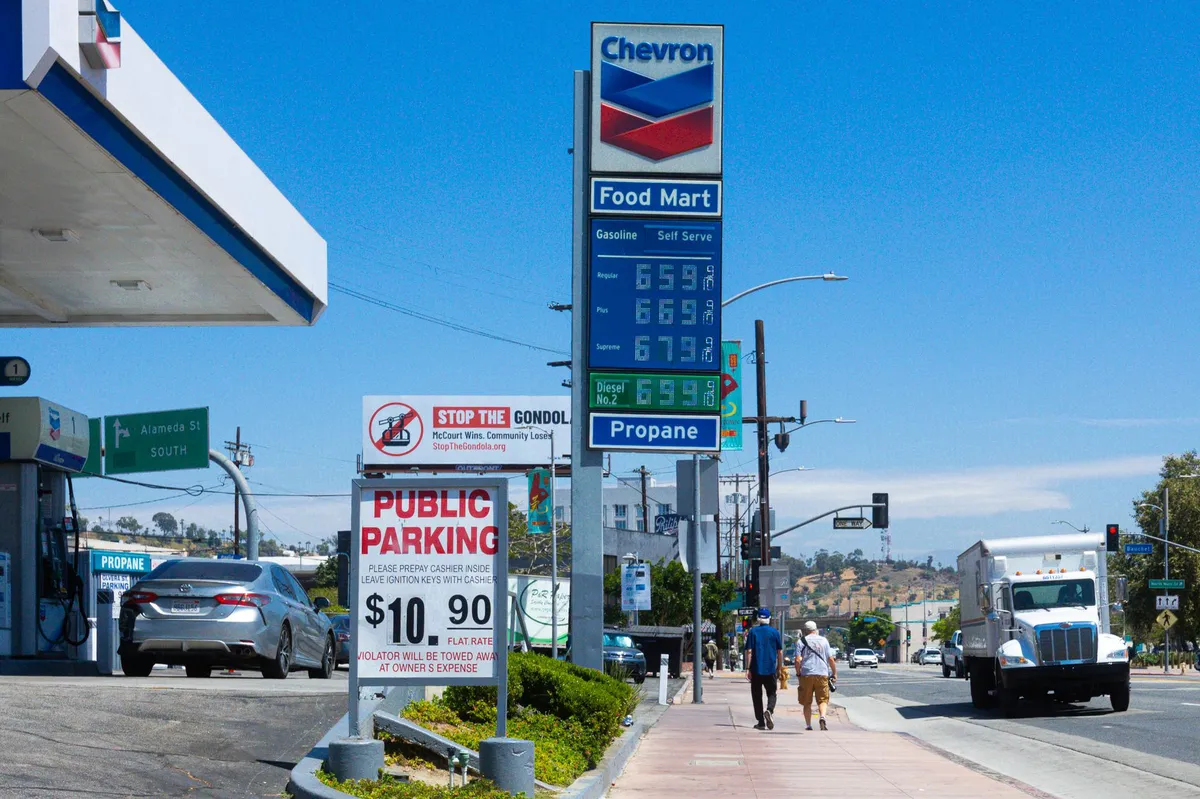
The implications of rising oil prices extend beyond the gas station. When oil prices increase, the cost of goods and services typically follows suit. For American households, this could mean higher prices at the grocery store, increased delivery fees, and elevated travel costs. Furthermore, a spike in oil prices can complicate monetary policy decisions, particularly for the Federal Reserve, which has been considering rate cuts to stimulate the economy. A fresh surge in inflation driven by oil prices could hinder these plans, impacting everything from car loans to mortgages.
What Consumers Should Watch For
As the situation unfolds, consumers and investors alike should remain vigilant. The crucial factor to monitor is the ongoing geopolitical situation in the Strait of Hormuz. If the attacks on tankers escalate, the potential for oil prices to soar becomes more pronounced. Conversely, if diplomatic efforts succeed and stabilize the region, prices may stabilize, allowing the market to recover.
How to Prepare for Potential Price Increases
In light of these developments, consumers can take proactive measures to mitigate the impact of rising oil prices:
- **Stay Informed:** Keep an eye on news regarding oil market developments and geopolitical tensions.
- **Budget Wisely:** Anticipate potential increases in transportation and goods costs, adjusting your budget accordingly.
- **Consider Alternatives:** Explore energy-efficient options for transportation and home heating to reduce reliance on oil.
Key Takeaways
- Goldman Sachs warns of potential oil price volatility due to renewed tensions in the Persian Gulf.
- The market is currently short 13.4 million barrels per day from the region, which could lead to significant price fluctuations.
- Consumers should prepare for the potential ripple effects of rising oil prices on everyday expenses and interest rates.
- Monitoring developments in the Strait of Hormuz will be crucial for anticipating changes in oil prices.
Frequently Asked Questions
What factors contribute to oil price fluctuations?
Oil prices are influenced by a variety of factors, including geopolitical tensions, supply and demand dynamics, production levels from major oil-producing countries, and global economic conditions. Events that disrupt supply, such as conflicts in key oil-producing regions, can lead to immediate price increases, while changes in demand, such as economic downturns, can cause prices to drop.
How do rising oil prices affect consumers directly?
Rising oil prices directly impact consumers by increasing transportation costs, which can lead to higher prices for goods and services. For instance, as the cost of gasoline rises, the price of food, delivery services, and travel may also increase. This can strain household budgets and influence spending patterns.
What should consumers do in response to rising oil prices?
Consumers can take several steps to mitigate the impact of rising oil prices, including budgeting more carefully, exploring energy-efficient transportation options, and staying informed about market developments. By anticipating potential price increases, consumers can make more strategic financial decisions and minimize the impact on their daily expenses.
Will the Federal Reserve respond to rising oil prices?
The Federal Reserve monitors inflation closely, and significant increases in oil prices can complicate its policy decisions. Rising oil prices may lead to higher inflation, prompting the Fed to reconsider its plans for interest rate cuts. If inflation accelerates due to higher energy costs, the Fed may delay or adjust its monetary policy to address these economic pressures.
This article is for educational purposes only and does not constitute financial advice.
Comments
FuelCell Energy: Potential Upside Amid Market Fluctuations
FuelCell Energy's stock has soared over 250% recently, attracting attention from UBS, which forecasts a $27 price target. As data centers seek reliable energy sources, this could be a pivotal moment for the company.

Related articles






Popular in Investing
- Navigating the Dismal Landscape of 2026's Worst-Performing ETFs
- Navigating the Turbulent Waters of Energy Markets: A Deep Dive
- Stablecoin Market Faces $10 Billion Decline — What It Means for Investors
- Cotton Futures Surge Despite Increased Production Forecasts
- Avantus Secures $525 Million for Major California Solar Project