Investors Flock to Semiconductor ETFs Amid DRAM Decline
Despite a significant drop in DRAM prices, investors have poured nearly $25 billion into semiconductor ETFs, reflecting confidence in the sector's long-term prospects. This article explores the recent trends in semiconductor investments, the market's volatility, and what it means for future growth.
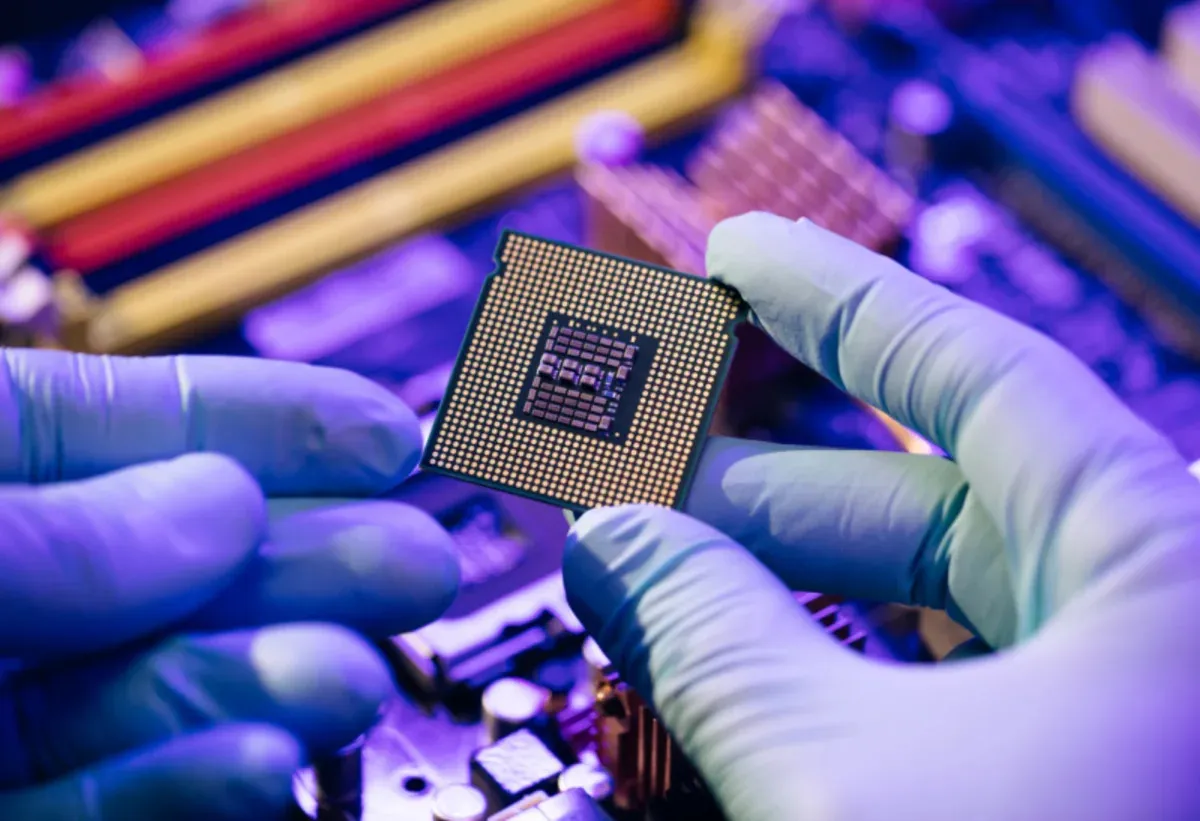
The semiconductor sector, a cornerstone of modern technology, has experienced a tumultuous ride in 2026, marked by a dramatic decline in DRAM prices alongside substantial investment inflows into semiconductor exchange-traded funds (ETFs). As of mid-July, investors have collectively channeled nearly $25 billion into semiconductor ETFs, even as the Roundhill Memory ETF (DRAM) has plummeted by nearly 40%. This article delves into the nuances of these market movements, the factors driving investor behavior, and what it signals for the future of the semiconductor industry.
Understanding the Semiconductor Market Dynamics
The semiconductor industry is critical for powering everything from smartphones to artificial intelligence (AI) applications. As technology continues to advance, demand for semiconductors is expected to grow exponentially. However, the market is not without its challenges. For instance, the recent downturn in DRAM prices is a stark reminder of the volatility inherent in this sector.
Recent Market Trends
In the second quarter of 2026, semiconductor stocks initially soared, fueled by optimism surrounding AI and increased demand for memory chips. But as the third quarter commenced, profit-taking became prevalent, leading to significant drops in stock prices. For example, the Roundhill Memory ETF saw its value fall from an all-time high of $80.72 to an intraday low of $48.64, representing a staggering 40% decline.
Massive Inflows Amid Declines
Despite the declines, investor sentiment remains robust. The iShares Semiconductor ETF (SOXX) and the VanEck Semiconductor ETF (SMH) also faced significant drops, with losses of 24% and 20%, respectively. Yet, these ETFs have seen substantial inflows: DRAM attracted $8.8 billion, SOXX $8.5 billion, SOXL (the leveraged Direxion Daily Semiconductor Bull 3X Shares) $5.1 billion, and SMH $2.3 billion. This combined influx of nearly $25 billion suggests that many investors view the current situation not as a downturn, but as an opportunity to buy in at lower prices.
Why Investors Are Buying
The influx of capital into semiconductor ETFs can be attributed to several factors:
- Long-Term Growth Potential: Investors remain optimistic about the long-term prospects of the semiconductor industry, especially with the growing integration of AI technologies.
- Profit-Taking Strategy: As stock prices fell, many investors opted to capitalize on lower prices, viewing it as a strategic entry point.
- Resilience of AI Infrastructure: Despite short-term fluctuations, the overall demand for AI infrastructure is expected to continue rising, supporting semiconductor growth.
High-Profile Stocks and Their Performance
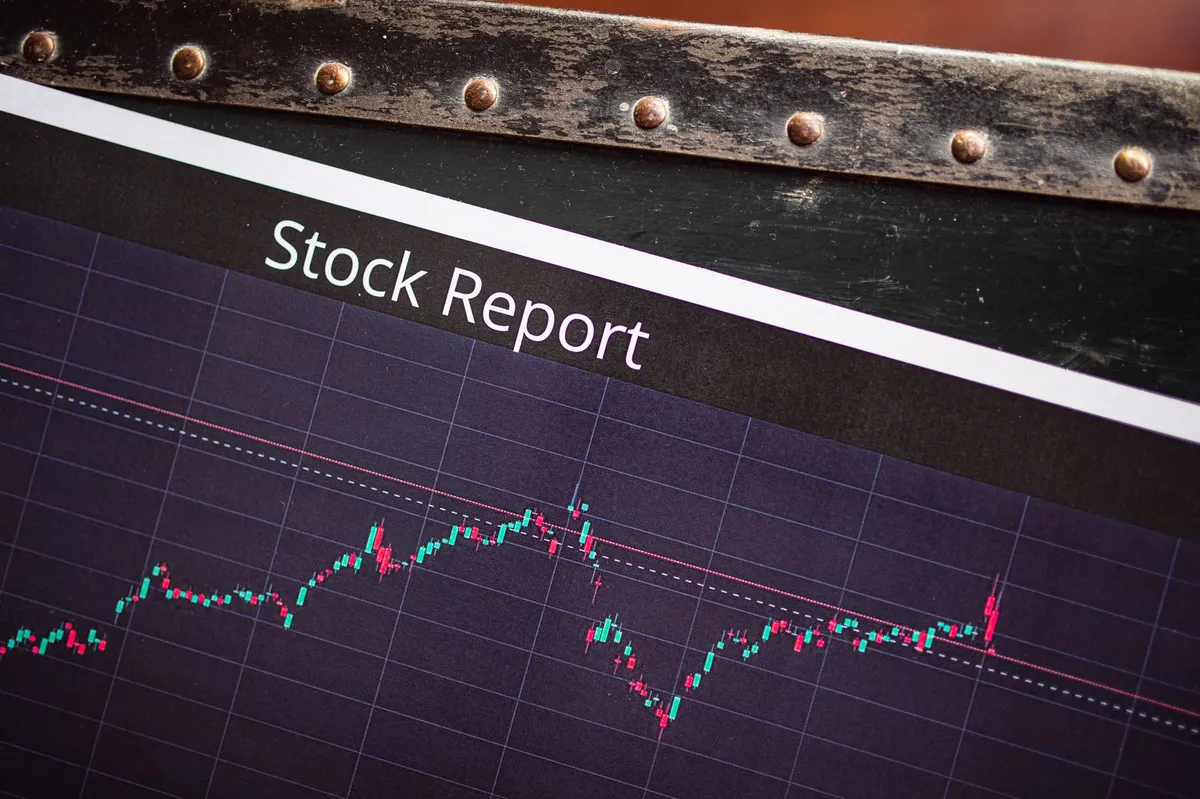
Some of the hardest-hit semiconductor stocks include Micron Technology, Marvell Technology, and Applied Materials. These companies had previously benefited significantly from the surge in demand for high-bandwidth memory and custom AI silicon. Despite the recent pullback, all four major ETFs mentioned earlier remain higher for the year, indicating strong resilience overall.
Performance Metrics
To put this in perspective, at its peak, the SOXX was up 118% year-to-date, SMH was up 86%, and DRAM had seen an astonishing 191% increase since its launch in April. The leveraged SOXL even reached a staggering 616% increase. While the recent downturn has led to significant losses, the annual performance remains a testament to the sector's potential.

Underlying Concerns in the Market
While profit-taking is a straightforward explanation for the recent market behavior, other concerns linger. Investors are increasingly questioning the sustainability of the AI boom. Despite rising capital expenditures from major technology companies, doubts about the longevity of AI infrastructure spending have resurfaced. A notable development fueling this uncertainty is the introduction of Kimi K3, a Chinese open-source AI model that some analysts claim is competitive with leading models from U.S. companies like Anthropic and OpenAI.
Impact of Kimi K3
The emergence of Kimi K3 raises critical questions about future demand for U.S. semiconductor infrastructure. If this model proves to be superior in capability or efficiency, it could disrupt the existing market and affect future capital expenditures. Analysts suggest that while Kimi K3 may be competitive, it currently lacks an advantage in cost per task, complicating the landscape further.
Key Takeaways
- Investors have poured nearly $25 billion into semiconductor ETFs despite a significant drop in DRAM prices.
- The semiconductor sector shows resilience, with many top ETFs still reflecting positive annual returns.
- Concerns linger over the sustainability of AI infrastructure spending, particularly with the introduction of competitive models from abroad.
- Investors view the recent market downturn as a buying opportunity rather than a signal of a sustained decline.
Frequently Asked Questions
What are semiconductor ETFs and how do they work?
Semiconductor ETFs are exchange-traded funds that specifically invest in companies involved in the semiconductor industry. They provide investors with a way to gain exposure to the sector without having to buy individual stocks. These funds typically track an index of semiconductor companies, allowing investors to benefit from the overall performance of the sector.
Why did DRAM prices drop so significantly?
The decline in DRAM prices can be attributed to a combination of market corrections after a period of rapid growth and shifts in demand dynamics. As supply and demand fluctuated, investors reacted by selling off stocks, leading to a sharp price drop. This volatility is not uncommon in the semiconductor industry, which is subject to rapid technological changes and market speculation.
Should I invest in semiconductor ETFs now?
Whether to invest in semiconductor ETFs now depends on your investment strategy, risk tolerance, and outlook for the semiconductor sector. Many investors view the current dip as an opportunity to buy at a lower price, while others may be cautious given the uncertainties surrounding AI infrastructure spending. It's essential to conduct thorough research or consult with a financial advisor before making investment decisions.
What are the risks associated with investing in the semiconductor market?
Investing in the semiconductor market carries several risks, including market volatility, technological changes, and geopolitical factors. The sector can be significantly impacted by shifts in demand for electronic devices, changes in trade policies, and competition from new technologies, making it essential for investors to stay informed about market trends and potential risks.
This content is educational, not financial advice.
Comments
FuelCell Energy: Potential Upside Amid Market Fluctuations
FuelCell Energy's stock has soared over 250% recently, attracting attention from UBS, which forecasts a $27 price target. As data centers seek reliable energy sources, this could be a pivotal moment for the company.

Related articles






Popular in Investing
- Navigating the Dismal Landscape of 2026's Worst-Performing ETFs
- Navigating the Turbulent Waters of Energy Markets: A Deep Dive
- Stablecoin Market Faces $10 Billion Decline — What It Means for Investors
- Cotton Futures Surge Despite Increased Production Forecasts
- Avantus Secures $525 Million for Major California Solar Project