Global Market Turmoil: Semiconductor Stocks Slide Amid Rising Oil Prices
Global stock markets faced significant declines as semiconductor shares plummeted for the third consecutive day, while oil prices surged due to escalating tensions in the Middle East. Understanding these market shifts is crucial for investors navigating the turbulent landscape.
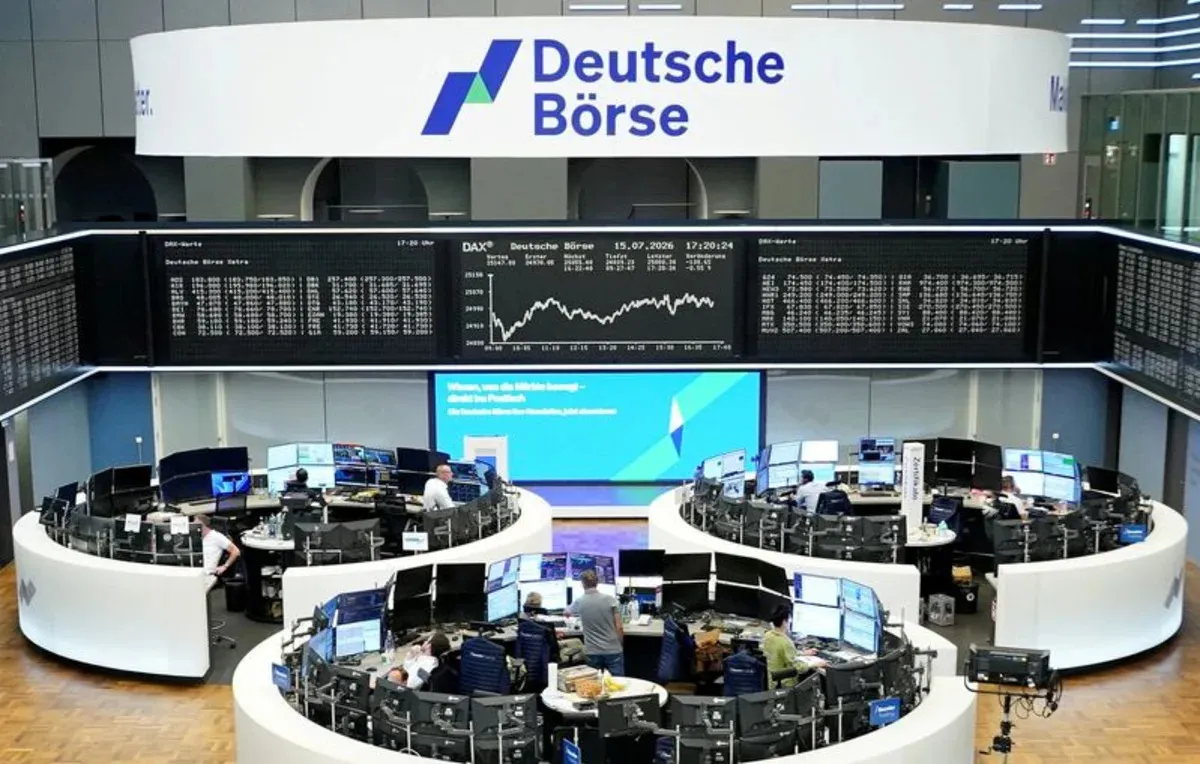
In a week marked by volatility, global stock markets are reeling from a significant downturn, primarily driven by a sharp decline in semiconductor stocks. The tech-heavy sector, which has been a powerhouse of growth, is facing intense scrutiny as investors recalibrate their expectations regarding artificial intelligence (AI) investments. Simultaneously, geopolitical tensions in the Middle East are contributing to rising oil prices, adding another layer of complexity for investors navigating this turbulent economic landscape.
On July 17, 2026, major stock indexes across the globe fell sharply, with the Philadelphia semiconductor index suffering its third consecutive day of losses. This downturn coincides with the unveiling of a new AI system by China's Moonshot, a move that has raised questions about the sustainability of U.S. tech valuations in the face of emerging competition. As the markets react to these developments, it becomes essential for investors to understand the implications of these trends on their portfolios and the broader economy.
Semiconductor Sector Struggles: A Deep Dive
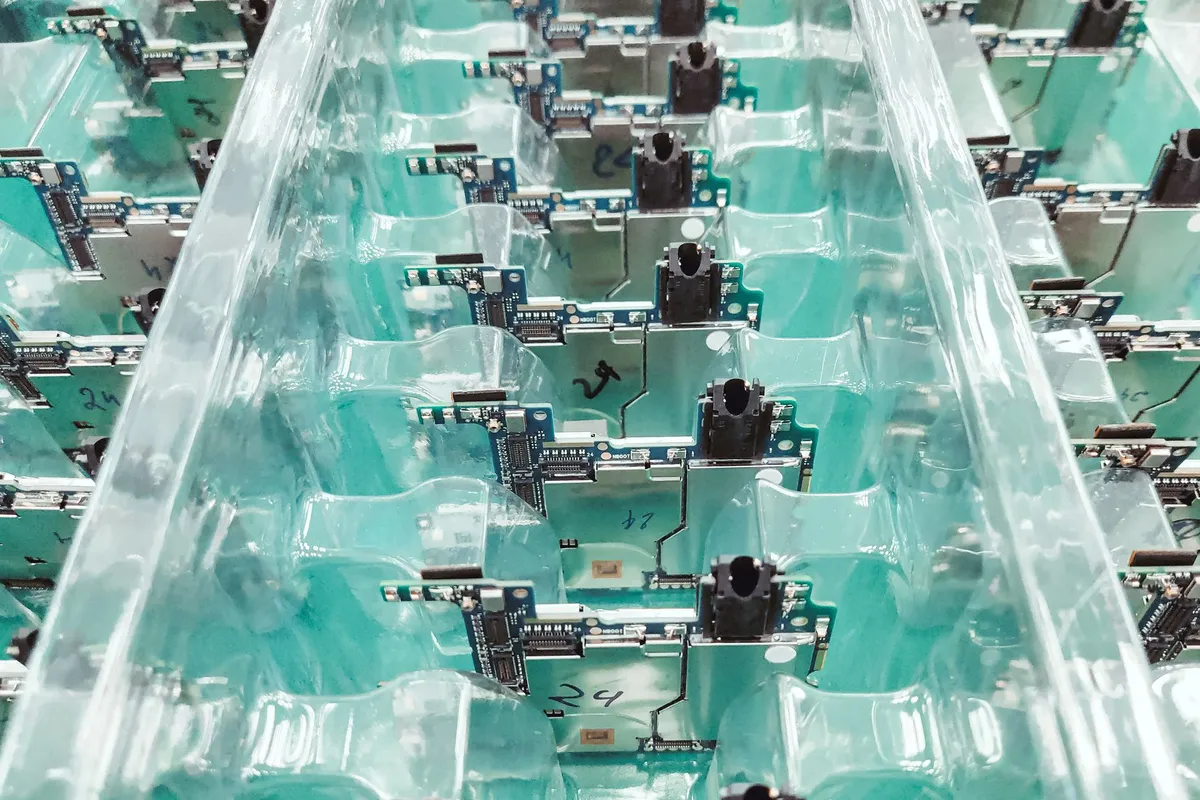
The Philadelphia semiconductor index, a key indicator of the sector's health, declined by 1.6% on Friday alone, marking a staggering 20% drop from its recent peak just weeks ago. Investors are increasingly skittish about the high valuations that have characterized the semiconductor market in recent years, particularly in light of the recent unveiling of Kimi K3, an AI system developed by Moonshot that has claimed to be the largest of its kind in the world.
Why the Decline?
Several factors contribute to the semiconductor sector's struggles:
- Investor Sentiment: As Michael James, managing director at Rosenblatt Securities, notes, the market is operating in an emotionally charged environment, leading to knee-jerk reactions from investors.
- Emerging Competition: The introduction of Kimi K3 raises concerns about the competitive landscape, particularly for U.S. firms that have dominated the AI sector.
- High Valuations: Many semiconductor stocks had been trading at lofty valuations, prompting investors to reassess their positions amid profit-taking.
Energy Markets: Price Surge Amid Tensions
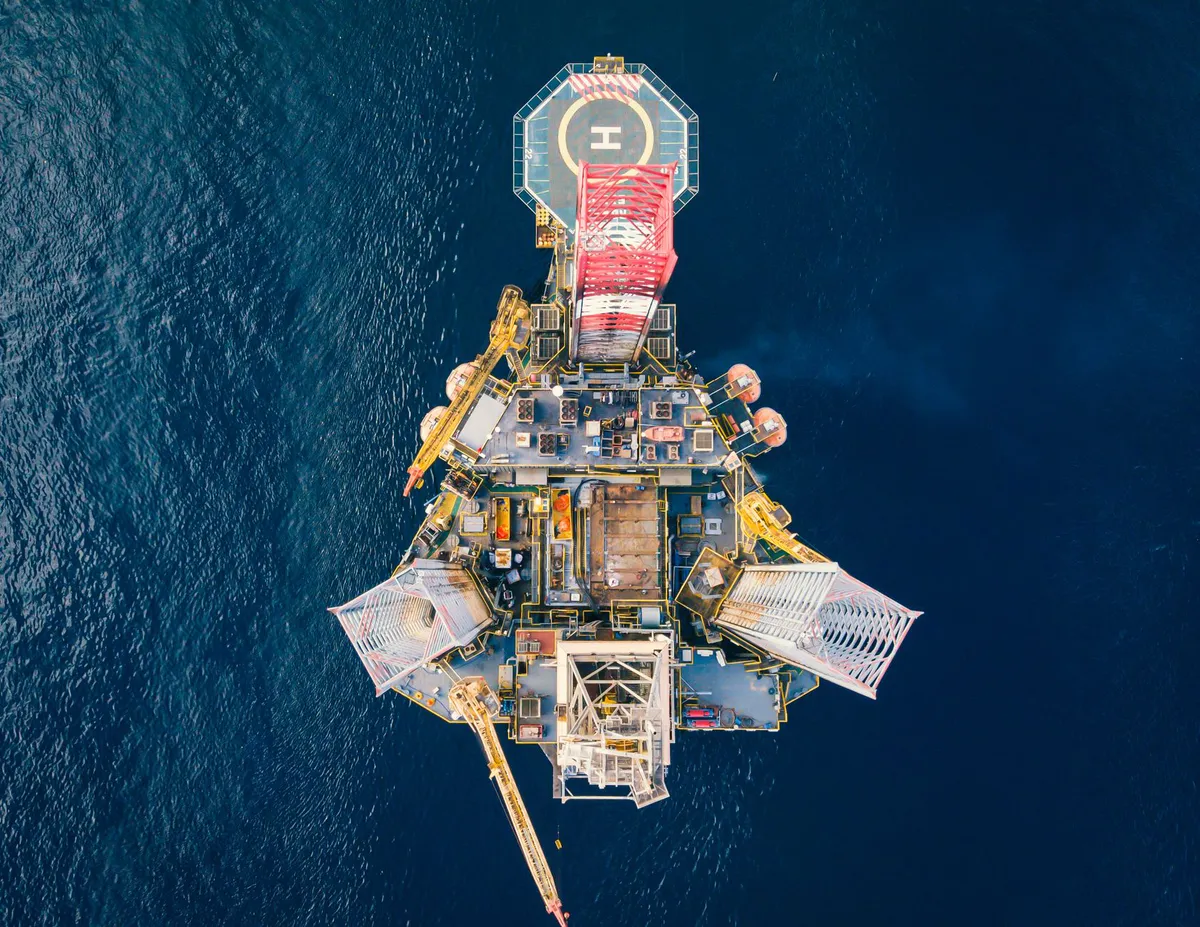
While the technology sector stumbles, energy prices are on the rise, with U.S. crude oil prices climbing 4.48% to settle at $82.49 per barrel. Brent crude followed suit, rising 4.59% to $88.10 per barrel. This increase can be attributed to escalating tensions between the United States and Iran, which have raised fears about potential disruptions in global energy supplies.
Geopolitical Factors at Play
The conflict has escalated recently, with the United States conducting airstrikes on Iranian infrastructure, including bridges, in response to Iranian actions targeting key facilities in Kuwait. These developments have heightened concerns over stability in the Strait of Hormuz, a critical chokepoint for global oil shipments. As geopolitical tensions continue to mount, investors are advised to stay informed about these dynamics, as they can significantly impact energy prices and, by extension, broader market performance.
Market Reactions: Wall Street's Performance
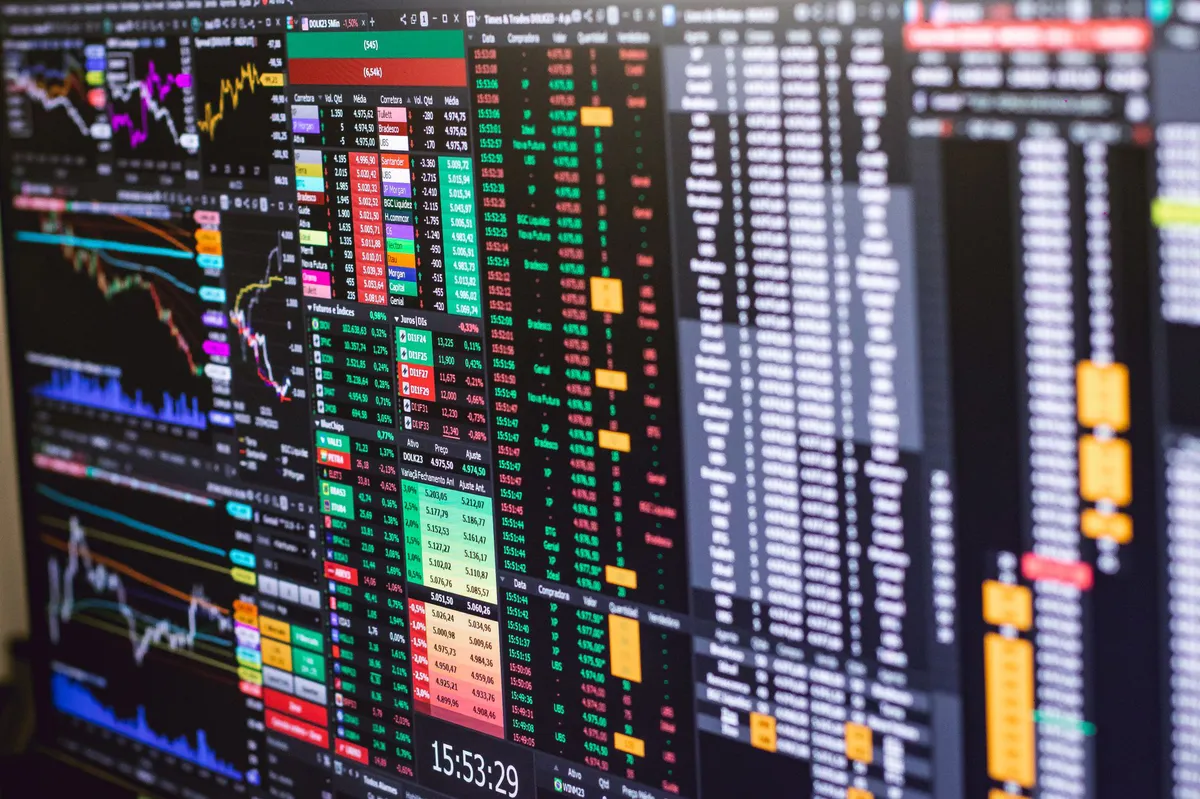
In the United States, Wall Street's major indexes closed lower on the same day. The Dow Jones Industrial Average fell 406.55 points (0.77%), the S&P 500 dropped 76.08 points (1.01%), and the Nasdaq Composite fell 361.70 points (1.40%). For the week, the S&P 500 ended down 1.55%, while the tech-heavy Nasdaq experienced a 2.9% decline.
Investor Strategies Amid Volatility
In times of market uncertainty, investors often look to adjust their strategies. Some may consider:
- Diversification: Spreading investments across various sectors can help mitigate risk.
- Defensive Stocks: Investing in stable sectors, such as utilities or consumer staples, can provide some insulation from market volatility.
- Bonds: With a dip in U.S. Treasury yields, including the benchmark 10-year note falling to 4.554%, bonds may present an attractive option for risk-averse investors.
Currency and Precious Metals: A Snapshot
The currency markets are also feeling the effects of these developments. The U.S. dollar held steady against a basket of currencies despite ending the week lower overall. Currency dynamics were influenced by tame U.S. inflation data, leading traders to reduce bets on potential Federal Reserve interest rate hikes.
In the precious metals sector, gold prices rose slightly, with spot gold increasing by 0.99% to $4,009.19 an ounce. However, gold is experiencing its largest weekly loss in six weeks, driven by inflation fears fueled by rising energy prices and geopolitical tensions. As investors grapple with these uncertainties, precious metals often serve as a safe haven.
Key Takeaways
- Global stock markets are facing a downturn, particularly in the semiconductor sector due to high valuations and emerging competition.
- Oil prices are rising sharply amid escalating geopolitical tensions, particularly between the U.S. and Iran.
- Investor sentiment is volatile, prompting strategies that include diversification and a focus on defensive stocks.
- Currency markets are stable, with the dollar showing resilience despite overall declines.
- Precious metals like gold are seeing mixed performance, affected by concerns over inflation and geopolitical instability.
Frequently Asked Questions
What is causing the decline in semiconductor stocks?
The decline in semiconductor stocks is primarily due to a combination of factors, including high valuations, increased competition from companies like China's Moonshot, and a market sentiment that has turned cautious. As investors reassess the growth potential of these companies, many are opting to take profits, leading to significant sell-offs in the sector.
How do geopolitical tensions impact oil prices?
Geopolitical tensions, particularly in oil-producing regions like the Middle East, can lead to fears of supply disruptions, which in turn drives up oil prices. When conflicts arise, such as the recent U.S.-Iran tensions, markets react quickly, anticipating potential impacts on global oil supply chains, leading to price surges as traders react to the perceived risks.
What strategies can investors adopt during market volatility?
During periods of market volatility, investors may consider diversifying their portfolios to spread risk, focusing on defensive sectors that typically fare better during downturns, and looking into fixed-income options like bonds which may provide stability. Additionally, keeping a close eye on economic indicators can help in making informed investment decisions.
What is the outlook for precious metals in the current economic climate?
Precious metals like gold often serve as a hedge against inflation and economic instability. While gold prices have seen some fluctuations recently, the ongoing geopolitical tensions and rising energy prices could sustain interest in these assets as investors seek safe havens during uncertain times. However, market conditions can change rapidly, and individual circumstances should guide investment choices.
This content is educational, not financial advice.
Comments
FuelCell Energy: Potential Upside Amid Market Fluctuations
FuelCell Energy's stock has soared over 250% recently, attracting attention from UBS, which forecasts a $27 price target. As data centers seek reliable energy sources, this could be a pivotal moment for the company.

Related articles






Popular in Investing
- Navigating the Dismal Landscape of 2026's Worst-Performing ETFs
- Navigating the Turbulent Waters of Energy Markets: A Deep Dive
- Stablecoin Market Faces $10 Billion Decline — What It Means for Investors
- Cotton Futures Surge Despite Increased Production Forecasts
- Avantus Secures $525 Million for Major California Solar Project