SpaceX Faces Valuation Challenges Amid Supply Surge and Market Doubts
SpaceX's stock has dipped below its IPO price as investor enthusiasm wanes amidst a looming supply increase and valuation concerns. This article explores the implications of these developments for potential investors.

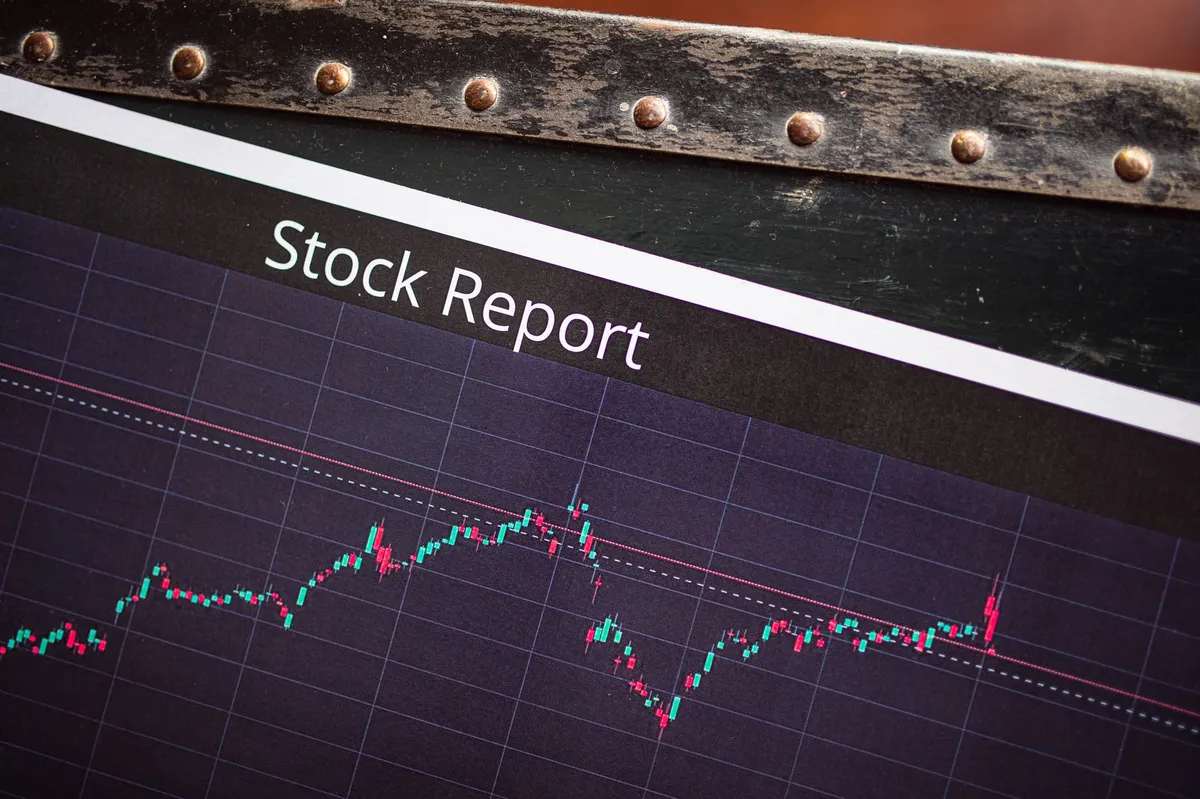
In a stunning turn of events, Space Exploration Technologies Corp, better known as SpaceX, has seen its stock price plunge below its initial public offering (IPO) price. Once riding high with market enthusiasm, shares of SpaceX (NASDAQ: SPCX) have experienced a dramatic decline, dropping from a peak of $225.64 to around $123. This marks a staggering 45% decrease from its all-time highs and raises critical questions about the company's long-term viability in an increasingly competitive and volatile market.
The recent downturn in SpaceX's stock can largely be attributed to investor skepticism regarding whether the company's ambitious spending on artificial intelligence (AI) and infrastructure will yield sufficient returns. With a public float of only 5% of its total shares, the impending expiration of lock-up periods poses a potential risk that could further exacerbate the stock’s downward trajectory.
Understanding SpaceX's Valuation
SpaceX's stock price is not just a reflection of its current earnings; it embodies a complex valuation model that anticipates flawless execution of its ambitious plans. Currently, the stock trades at approximately 45 times its estimated sales for 2026, a figure that places it above most large technology companies. This premium valuation indicates that investors are betting heavily on future growth rather than current profitability.
Revenue Projections
SpaceX's valuation hinges on projections that suggest revenues could soar to approximately $178 billion by 2035, potentially exceeding $500 billion in the subsequent decade. In 2025, the company reported a sales increase of 33%, achieving $18.67 billion in total revenue—largely driven by its Starlink satellite internet service, which accounted for about 60% of that figure.
Investor Sentiments
As excitement around the IPO wanes, investors are critically assessing whether the price paid for SpaceX shares was justified. The stock's previous high suggested confidence in SpaceX's ability to dominate both commercial space launches and the burgeoning satellite internet market. However, as doubts rise regarding the company's execution capabilities, the premium valuation is increasingly seen as precarious.

The Impending Supply Test
As the market reevaluates SpaceX's worth, the upcoming expiration of lock-up periods represents a significant near-term risk. With only 5% of shares initially available for trading, the stock's scarcity helped maintain its high valuation. However, by December, up to 40% of outstanding shares could become eligible for trading, which could dramatically increase the supply of shares in the market.
Lock-Up Expiration Impact
While Elon Musk's shares remain locked until mid-next year—preventing his large insider stake from contributing to immediate selling pressure—the overall increase in available shares could lead to downward pressure on the stock price. If demand weakens as more shares flood the market, the negative impact could be exacerbated, especially if insiders begin to sell aggressively.
Market Dynamics
The interplay between supply and demand will be critical in the coming months. If the market does not absorb the additional shares effectively, or if negative news emerges—such as delays in Starship development—the stock could react more severely than warranted due to its limited liquidity and the overall market's reassessment of the company’s premium valuation.
Weighing the Bull and Bear Cases
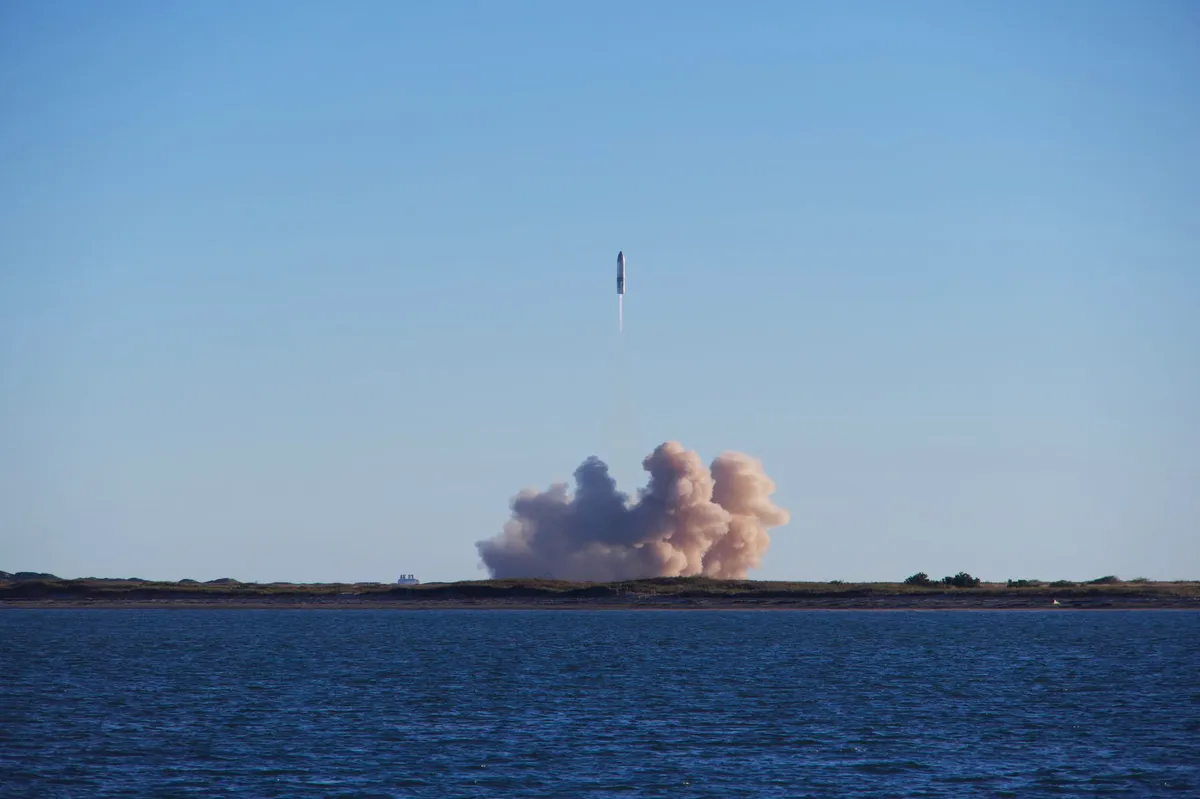
SpaceX's long-term prospects remain compelling for some investors, particularly those viewing the company as a leader in several multi-trillion-dollar industries. The company has demonstrated remarkable achievements, including the development of reusable Falcon 9 boosters and an impressive launch cadence. Additionally, its Starlink service provides a robust financial foundation, allowing SpaceX to maintain profitability while it expands its commercial and government contracts.
Opportunities for Growth
- Government Contracts: SpaceX has secured approximately $22 billion in contracts, with $15 billion originating from NASA. These long-term contracts offer a stable revenue stream as the commercial sector evolves.
- Market Expansion: The company is poised to tap into massive markets such as global broadband, satellite communications, and defense infrastructure.
- Technological Advancements: Successful execution of the Starship program could significantly reduce launch costs, further enhancing SpaceX's competitive edge.
Risks and Challenges
However, the bear case cannot be ignored. The company's high valuation assumes flawless execution across multiple fronts, including its ambitious Starship project and substantial investments in AI infrastructure, which have raised concerns among investors. Compounding these worries are risks associated with launch delays, regulatory hurdles, and rising development costs that could impact profitability.
Additionally, as competition intensifies from rivals such as Blue Origin and Amazon's Project Kuiper, SpaceX's market share could come under pressure. Investors must remain cognizant of these dynamics as they assess the risks and rewards associated with SpaceX stock.

Conclusion: Navigating a Volatile Landscape
The recent decline in SpaceX's stock price below its IPO levels signals a pivotal moment for investors. While the long-term investment thesis remains robust—anchored in the company’s leadership in aerospace and telecommunications—the immediate future appears fraught with volatility. As SpaceX approaches significant milestones and navigates the complexities of the market, investors should brace for heightened fluctuations in stock price as the landscape continues to evolve.
Until the market fully absorbs the implications of the increased share supply and SpaceX can demonstrate that its significant capital expenditures will yield satisfactory returns, the risk-reward ratio may remain unfavorable. Thus, potential investors should continue to evaluate the company's performance closely and remain agile in their investment strategies.
Key Takeaways
- SpaceX's stock has dropped below its IPO price amid valuation concerns.
- The upcoming lock-up expiration could increase share supply and pressure stock prices.
- Long-term growth potential exists in government contracts and emerging markets.
- Investors should be cautious of execution risks and increased competition.
Frequently Asked Questions
What caused the decline in SpaceX's stock price?
The decline in SpaceX's stock price can be attributed to a combination of factors, including a reassessment of its valuation in light of broader market concerns, particularly regarding AI and infrastructure spending. As investor enthusiasm wanes, the stock has fallen from its previous highs, raising questions about the sustainability of its premium valuation.
How will the lock-up expiration affect SpaceX's stock?
The lock-up expiration is significant because it will increase the number of tradable shares available in the market. With only 5% of shares currently in circulation, the potential release of additional shares could dilute the stock's value if demand does not keep pace. This could lead to downward pressure on the stock price, especially if insiders choose to sell their shares upon expiration.
What are the risks associated with investing in SpaceX?
Investing in SpaceX carries several risks, including execution challenges with its ambitious projects like Starship and potential delays that could negatively impact growth expectations. Additionally, the company's reliance on government contracts exposes it to risks from budget cuts or shifts in political priorities, while increasing competition from other firms could also threaten its market position.
Is SpaceX still a good long-term investment?
While the current volatility may deter some investors, many still view SpaceX as a compelling long-term investment due to its leadership in several high-growth industries. If the company can successfully navigate its execution risks and deliver on its ambitious growth plans, it could solidify its position as a dominant player in aerospace and telecommunications. However, potential investors should carefully consider the inherent risks and market dynamics before making investment decisions.
Disclaimer: The content is educational, not financial advice.
Comments
Chip Stocks Rally: Key Players in Semiconductor Recovery
Semiconductor stocks are experiencing a notable recovery led by companies like AMD, Micron, and SK Hynix. This article explores the factors behind the market shift and what it means for investors.
Related articles



Popular in Investing
- Navigating the Dismal Landscape of 2026's Worst-Performing ETFs
- Navigating the Turbulent Waters of Energy Markets: A Deep Dive
- Stablecoin Market Faces $10 Billion Decline — What It Means for Investors
- Cotton Futures Surge Despite Increased Production Forecasts
- Avantus Secures $525 Million for Major California Solar Project