How Europe Navigated a Potential Jet Fuel Crisis in 2026
In mid-2026, Europe faced dire warnings of a jet fuel shortage following disruptions in the Strait of Hormuz. However, adaptive market responses prevented a full-blown crisis, highlighting the resilience of global energy systems and the importance of flexibility in times of uncertainty.
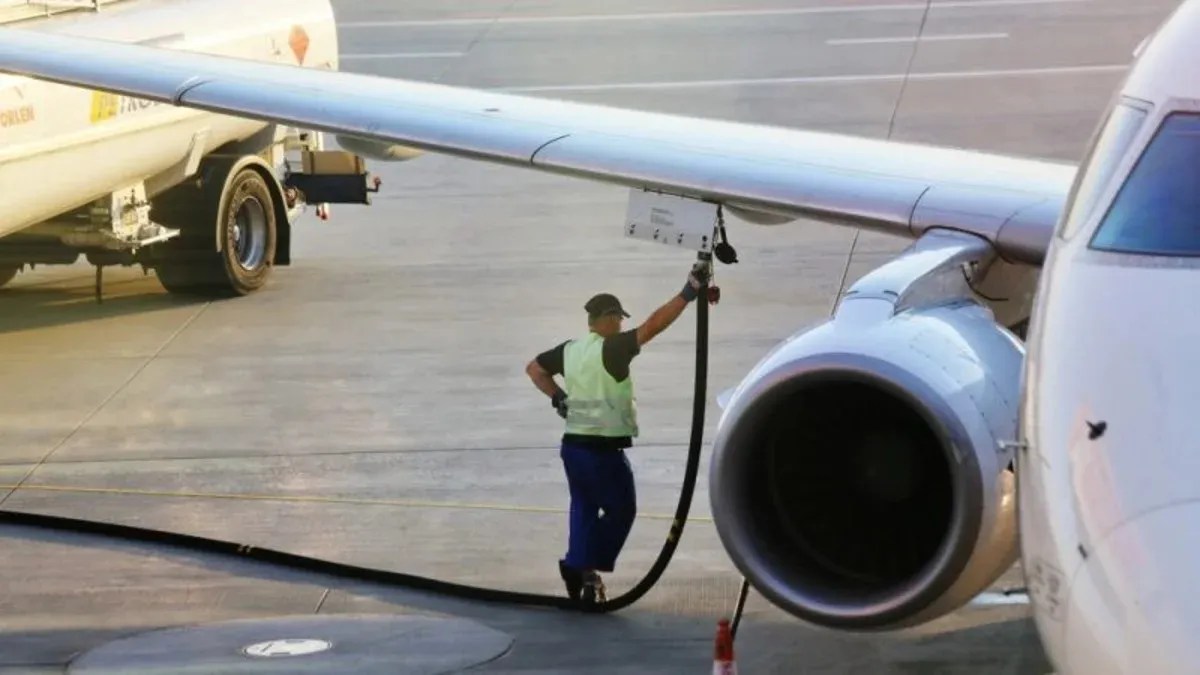
In early 2026, as geopolitical tensions escalated and the Strait of Hormuz faced significant disruptions, Europe braced for what many predicted would be a catastrophic shortage of jet fuel. The region, heavily reliant on Middle Eastern imports for its aviation fuel, was warned by the International Energy Agency (IEA) that it could run out of jet fuel by June of that year. With the stakes high and panic setting in, the question loomed: Could Europe navigate this impending crisis? As summer approached, however, the anticipated shortages largely failed to materialize. This unexpected resilience not only underscored the adaptability of global energy markets but also revealed the complexities of how such crises are perceived and managed.
The scenario began to unfold dramatically in February when the Strait of Hormuz, a critical waterway for global oil transport, encountered serious disruptions. Historically, this strait has facilitated the passage of nearly 20 million barrels of oil and petroleum products daily. With Middle Eastern countries accounting for a significant share of the world’s jet fuel and diesel supplies, Europe found itself particularly vulnerable, importing more jet fuel than it produced. The IEA's forecasts raised alarms, suggesting that by June, Europe would face dire shortages unless significant adjustments were made. As summer drew near, the aviation sector anticipated potential flight cancellations and logistical upheaval.

The Shock and Its Implications
The situation escalated in March, leading to the IEA's unprecedented decision to release 400 million barrels of emergency oil stocks. This coordinated release marked the largest effort in the IEA's history, aimed at stabilizing the market and providing a buffer for commercial supply chains as they adjusted to the new reality. Despite this proactive measure, the threat of shortages was palpable. By April, Europe’s jet fuel inventories were declining rapidly, and predictions indicated that supplies could dwindle perilously low by June.
However, as the situation evolved, it became clear that the anticipated crisis was not as inevitable as initially thought. While the disruptions in the Strait of Hormuz were severe — with about 14 million barrels per day of oil supply affected — the global supply chain exhibited remarkable resilience. European refineries began to increase their output of jet fuel, pushing production levels to new heights. Notably, American refiners also ramped up production, reaching record jet fuel outputs and redirecting supplies toward Europe, which was grappling with the fallout from the crisis.

Market Adaptations: A Dynamic Response
The adaptability of the market played a crucial role in averting a full-blown crisis. As prices surged in response to the disruption, producers and consumers alike adjusted their behaviors. This included:
- Refinery Adjustments: European and American refineries altered their production mixes, prioritizing jet fuel over other petroleum products.
- Increased Imports: Europe sourced additional jet fuel from alternative countries such as Canada, Nigeria, and India, diversifying its supply chains.
- Strategic Rerouting: Airlines cancelled or rerouted flights, particularly those traversing the Middle East, thus reducing fuel demand during the crisis.
These changes, while not without cost, collectively transformed a looming physical shortage into a manageable price shock. The market's ability to adapt illustrates an essential aspect of commodity trading: when faced with scarcity, the system responds dynamically, mitigating the worst potential outcomes.
Understanding the Price Dynamics
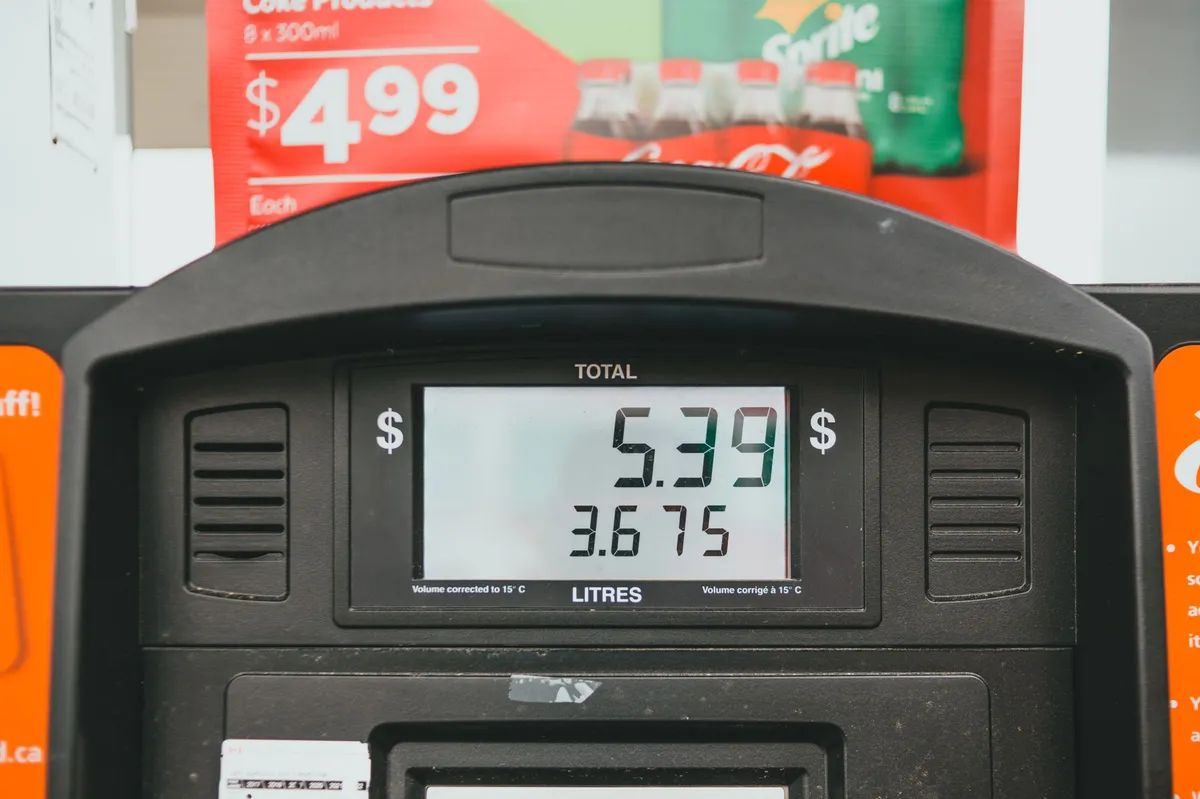
One of the key insights from this situation is how markets tend to react to perceived shortages. Rather than waiting for a crisis to unfold, traders and refiners proactively adjust their strategies in anticipation of potential supply disruptions. This behavior can lead to inflated prices, as seen when immediate delivery crude prices surged to around $150 per barrel during the early stages of the Hormuz crisis, even while futures markets remained lower. Such price premiums incentivized American exports and adjustments in refinery outputs, ultimately contributing to the stabilization of supply.
What this means for future energy crises is significant. The early warnings of imminent shortages, while grounded in reality, often catalyze a series of adjustments that can prevent the predicted outcomes. The interplay of supply and demand in commodity markets is complex, and understanding this dynamic is crucial for policymakers, businesses, and consumers alike.
The Long-Term Implications for Europe
Despite the successful navigation of the immediate crisis, the situation illuminates deeper vulnerabilities in Europe’s energy security. As of June, European jet fuel inventories were alarmingly low, estimated at only 38 million barrels, which translates to less than a month’s worth of supply. Furthermore, diesel markets faced even tighter conditions, exacerbated by geopolitical tensions, including restrictions on Russian diesel exports.
While the absence of a widespread jet fuel shortage in June was a relief, it does not imply that Europe is out of the woods. The early warnings were not unfounded; rather, they highlighted a precarious balance that the continent must navigate in the future. The adaptations made in response to the crisis may provide a temporary solution, but they also underscore the need for long-term strategies to ensure energy security and stability.

Key Takeaways
- Adaptability is Key: The global energy market demonstrated remarkable resilience by quickly adjusting to supply disruptions.
- Proactive Measures Matter: The IEA's coordinated release of emergency oil stocks played a crucial role in stabilizing the market.
- Price Dynamics Influence Supply: Rising prices can incentivize alternative production and sourcing options, preventing shortages.
- Ongoing Vulnerabilities Exist: Europe’s dependence on external supplies for jet fuel and diesel remains a critical concern for future energy security.
Frequently Asked Questions
What caused the initial fears of a jet fuel shortage in Europe?
The fears stemmed from significant geopolitical tensions that disrupted the Strait of Hormuz, a vital passage for oil transport. With Europe reliant on Middle Eastern imports for aviation fuel, forecasts indicated that supply could dwindle drastically, prompting warnings from the International Energy Agency.
How did the market respond to the potential crisis?
The market exhibited remarkable adaptability. Refineries increased jet fuel production, imports from alternative sources surged, and airlines adjusted their routes to minimize fuel consumption. These collective actions helped avert a full-blown crisis.
Are there still risks for Europe’s energy security?
Yes, despite navigating the immediate crisis, Europe remains vulnerable due to low jet fuel inventories and ongoing geopolitical tensions affecting diesel supplies. Long-term strategies are necessary to enhance energy security and reduce reliance on external sources.
What lessons can be learned from this situation?
This episode illustrates the importance of flexibility in energy markets and the need to anticipate and respond to potential disruptions proactively. It highlights how markets can effectively manage crises through dynamic adjustments, though underlying vulnerabilities must still be addressed.
This content is educational, not financial advice.
Comments
Navigating the Tipping Point in U.S. Cattle Markets: Insights and Implications
The U.S. cattle market is at a critical juncture, marked by contrasting trends in live and feeder cattle sectors. This article examines the underlying factors at play, the potential impacts of political decisions, and what stakeholders should be aware of moving forward.

Related articles







Popular in Investing
- Navigating the Dismal Landscape of 2026's Worst-Performing ETFs
- Navigating the Turbulent Waters of Energy Markets: A Deep Dive
- Stablecoin Market Faces $10 Billion Decline — What It Means for Investors
- Cotton Futures Surge Despite Increased Production Forecasts
- Avantus Secures $525 Million for Major California Solar Project