Understanding Kroger's Stock Forecast: What Investors Need to Know
As one of the largest supermarket chains in the U.S., Kroger's stock performance is crucial for investors. This article dives into Kroger's financial health, market position, and what the future may hold for its stock based on current trends.

The Kroger Company (KR), one of the largest supermarket chains in the United States, has established itself as a key player in the retail grocery sector. With a strong presence across the nation and an ever-evolving strategy to meet consumer demands, Kroger’s stock is of significant interest to investors. As the economy shifts and consumer habits change, understanding Kroger's stock forecast becomes essential for those looking to navigate the complexities of investment in the retail sector.
In this article, we will delve into Kroger’s financial health, market trends, and future projections. We will also explore how external economic factors and consumer behavior are shaping the outlook for Kroger's stock, providing insights that can inform investment decisions.
Kroger’s Financial Landscape: A Health Check
As of the latest financial reports, Kroger has demonstrated robust performance metrics that are reflective of a healthy business model. The company’s recent quarterly earnings have shown an increase in revenue, driven largely by strategic initiatives that include expanding its digital footprint and enhancing customer loyalty programs.
Revenue Trends and Growth Projections
Kroger's revenue has experienced a steady increase over the past few years. For instance, in the last fiscal year, Kroger reported revenues exceeding $132 billion, marking a year-over-year growth of approximately 6%. This growth can be attributed to several factors:
- Digital Expansion: Kroger has invested in its online shopping platform, resulting in a significant uptick in e-commerce sales, which rose by 20% in the most recent quarter.
- Store Expansion: The company continues to open new stores and remodel existing locations, enhancing the shopping experience and increasing foot traffic.
- Private Label Products: Kroger's private label offerings, which are typically less expensive than branded items, have gained popularity among cost-conscious consumers, boosting sales.
Market Position: Kroger vs. Competitors
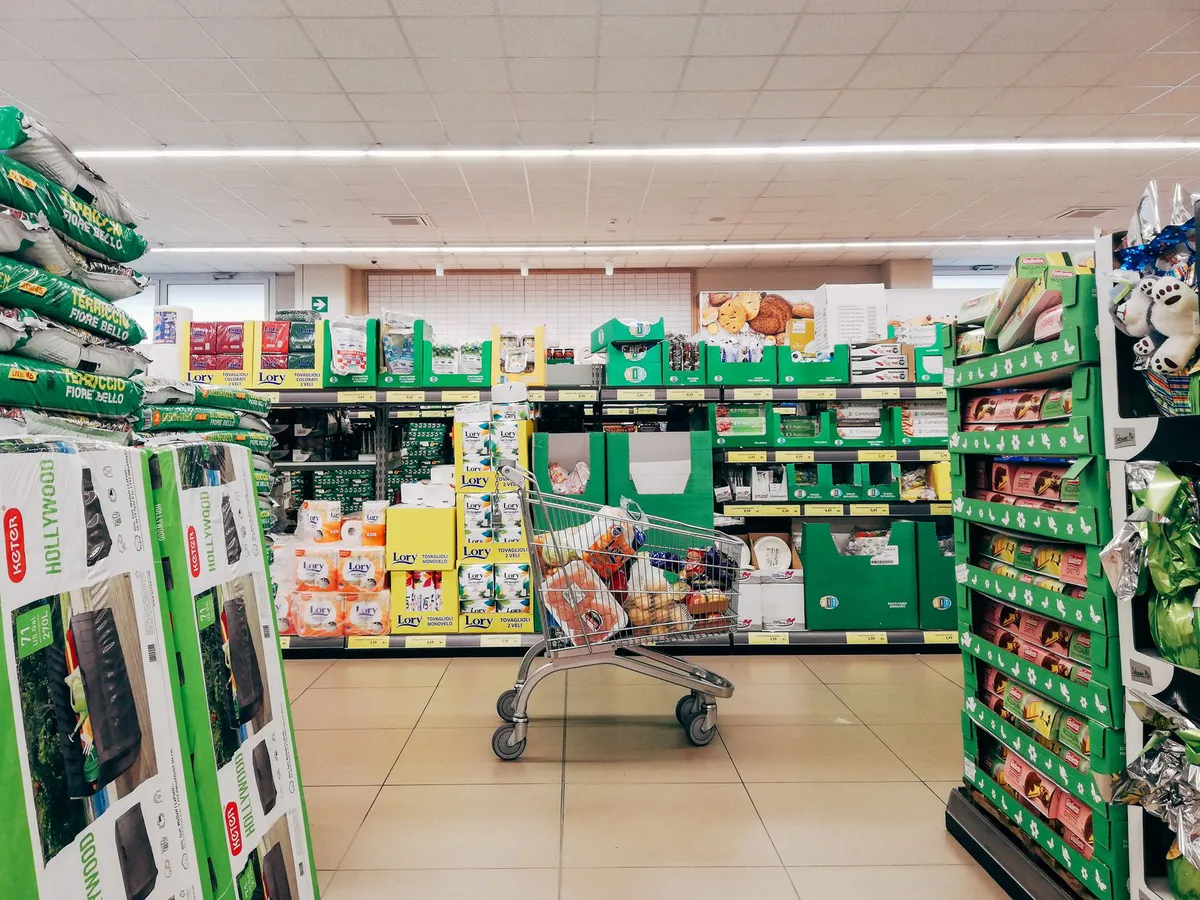
In a competitive landscape dominated by major players like Walmart and Amazon, Kroger has managed to carve out a significant market share. Its strategy focuses on customer-centric services, including personalized promotions and convenient shopping options.
Competitive Advantages
Kroger's competitive advantages include:
- Strong Brand Recognition: As a household name, Kroger enjoys a loyal customer base that trusts the brand for quality grocery options.
- Geographic Diversification: With over 2,700 stores across 35 states, Kroger has a broad geographic reach that mitigates risks associated with regional downturns.
- Innovative Technology Use: The introduction of advanced analytics and artificial intelligence in inventory management has streamlined operations and reduced costs.
Consumer Behavior: Adapting to Change
The consumer landscape is continually evolving, influenced by factors such as economic conditions, inflation, and shifts in lifestyle preferences. Recent reports indicate that consumers are becoming more health-conscious and value-driven, prompting Kroger to adapt its offerings accordingly.
Health and Sustainability Trends
Kroger has responded to these consumer trends by:
- Expanding Organic Offerings: The company has increased its range of organic and healthy products, catering to a growing demographic that prioritizes wellness.
- Sustainability Initiatives: Kroger has committed to various sustainability goals, such as reducing waste and sourcing food responsibly, which resonate well with environmentally conscious shoppers.

Investing Insights: What Analysts are Saying
Financial analysts and investment firms have expressed a positive outlook on Kroger’s stock performance, citing its strong fundamentals and strategic growth initiatives. Many analysts have set price targets that indicate potential for upward movement.
Analyst Ratings
Current analyst ratings for Kroger include:
- Buy Ratings: A majority of analysts recommend a buy, predicting that the stock could reach $50 within the next year, reflecting an anticipated increase based on Kroger's growth trajectory.
- Hold Ratings: Some analysts suggest a hold position, advising investors to wait for clearer signals from the market before making significant changes to their portfolios.
Key Takeaways
- Kroger’s financial health remains strong with consistent revenue growth.
- The company is well-positioned against competitors due to its strategic initiatives and brand loyalty.
- Consumer trends towards health and sustainability are influencing Kroger's product offerings.
- Analysts have a generally positive outlook on Kroger's stock performance, with potential for growth.
Frequently Asked Questions
What factors influence Kroger's stock price?
Kroger's stock price is influenced by several factors, including overall market conditions, consumer spending habits, company earnings reports, and competitive dynamics within the retail grocery sector. Additionally, shifts in economic indicators such as inflation rates and unemployment levels can also affect investor sentiment and stock performance.
How does Kroger’s online strategy impact its growth?
Kroger's online strategy is crucial for its growth, especially in the face of increasing e-commerce competition from companies like Amazon. By enhancing its digital shopping experience, Kroger has successfully attracted a significant number of online shoppers, contributing to overall revenue growth. The convenience of online ordering, coupled with options for curbside pickup and delivery, has become a major draw for consumers.
Is Kroger a good long-term investment?
Investors considering Kroger as a long-term investment should evaluate its consistent financial performance, strategic initiatives, and adaptability to consumer trends. With a strong market presence and a commitment to innovation, many analysts view Kroger as a solid investment option, particularly for those looking for stability in the retail sector.
What are the risks associated with investing in Kroger?
As with any investment, there are risks associated with investing in Kroger. These include competition from other grocery retailers, potential supply chain disruptions, and changes in consumer preferences. Additionally, economic downturns can impact consumer spending, which may affect Kroger's sales and profitability.
Disclaimer: The content is educational and not financial advice.
Comments
Navigating Wealth After a Business Sale: The Power of Dividend Growth
Selling a business often leads to a financial void. Discover how dividend growth strategies can bridge the gap and align your investments with your lifestyle needs.

Related articles






Popular in Investing
- Navigating the Dismal Landscape of 2026's Worst-Performing ETFs
- Navigating the Turbulent Waters of Energy Markets: A Deep Dive
- Stablecoin Market Faces $10 Billion Decline — What It Means for Investors
- Cotton Futures Surge Despite Increased Production Forecasts
- Avantus Secures $525 Million for Major California Solar Project