Why Analysts Are Bullish on Intel: Insights Ahead of Earnings
As Intel prepares to release its Q2 earnings report, analysts are increasingly optimistic about its future. This article explores the factors driving this bullish sentiment and what it means for investors.
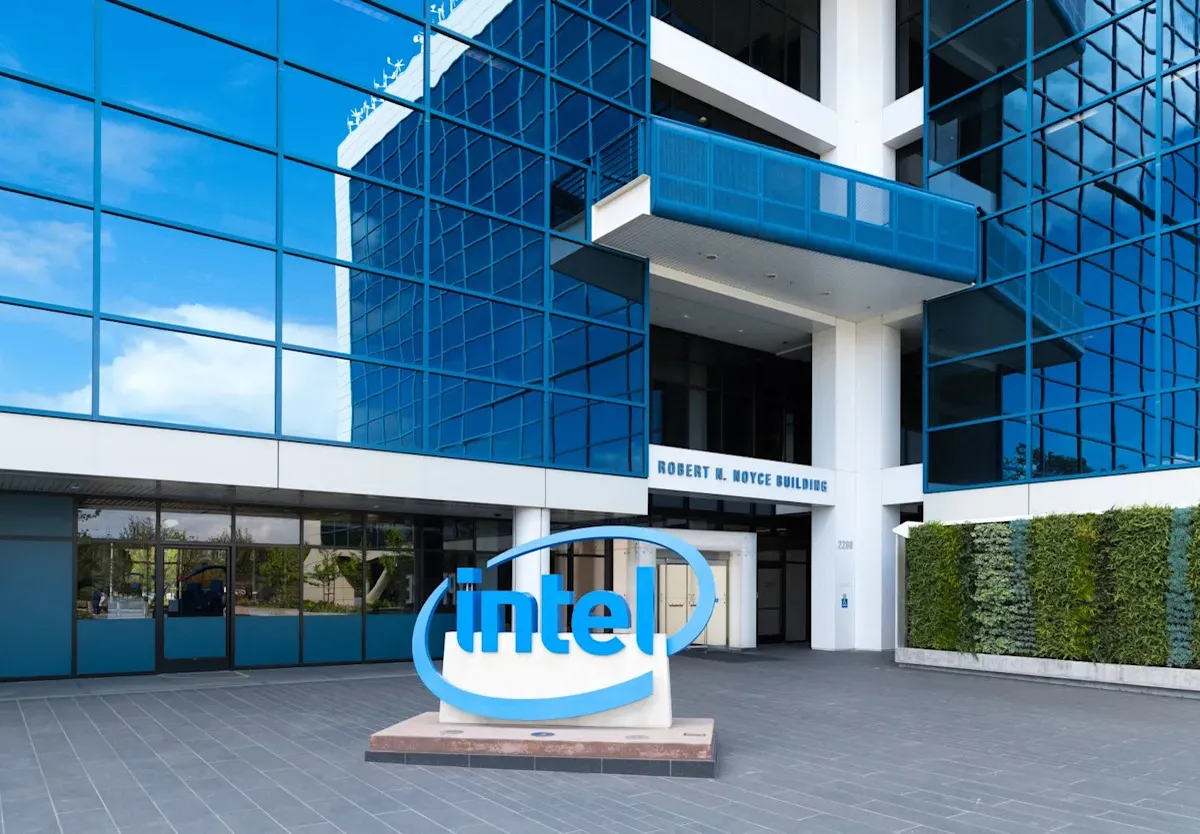
Intel Corporation (INTC) is at a pivotal moment as it approaches its second-quarter earnings report, set to be released on July 23. Analysts have begun to express a bullish sentiment regarding the company's stock, with notable upgrades in price targets from several financial institutions. This optimism is largely fueled by expectations of strong server chip sales, which could significantly impact Intel's performance moving forward. In this article, we'll delve into the reasons behind this analyst enthusiasm, what it means for investors, and the broader implications for the semiconductor market.
Recently, Christopher Rolland, an analyst at Susquehanna, raised the firm's price target from $80 to $115, citing a solid quarter driven primarily by increasing demand for server chips. This aligns closely with insights shared by Intel's CFO, David Zinsner, who noted on the previous earnings call that server demand has improved and is expected to continue growing into 2027. However, while the server market shows promise, the outlook for PC sales appears less favorable, with rising memory prices likely to dampen demand in the second half of the year.
Current State of Intel's Stock
Founded in 1968, Intel is a leading player in the semiconductor industry, developing and manufacturing computer chips and related technologies. The company operates through three main segments: Foundry, Client Computing Group (CCG), and Data Center and AI (DCAI). Each of these areas contributes to Intel's revenue stream, with the DCAI segment showing significant growth potential due to increased use of AI technologies.
As of now, Intel's stock has shown remarkable resilience, increasing by 167% year-to-date, far outpacing the iShares Semiconductor ETF's gains of 76%. This spike followed a strong rally after its Q1 earnings report. However, despite the impressive performance, Intel's stock price experienced a significant pullback of approximately 31% in mid-July, largely attributed to profit-taking and a broader sell-off in semiconductor stocks. This decline presents a potential buying opportunity for investors looking to capitalize on the rebound.
Analysts' Optimism and Market Trends
Intel's recent performance has garnered attention from multiple analysts, with firms like Stifel Nicolaus, TD Cowen, and KeyBanc also raising their price targets. HSBC made a dramatic leap, increasing its target from $100 to $200, a testament to the growing confidence in Intel's recovery. The consensus among 46 Wall Street analysts suggests a “Moderate Buy” rating with an average price target of $108.46, indicating a potential upside of around 11% from current levels. However, opinions vary widely, with the highest target sitting at $200 and the lowest at $45, reflecting a lack of consensus about Intel's near-term prospects.
Key Growth Drivers
- Server Demand: Analysts predict that server chip sales will remain robust, contributing significantly to Intel's revenue.
- AI Integration: The increasing integration of AI into various sectors is driving demand for Intel's advanced chip technology.
- Financial Metrics: Intel has beaten revenue expectations for six consecutive quarters, creating a positive outlook among investors.
- Management Confidence: Intel's leadership has demonstrated an optimistic view of long-term growth, especially in the server segment.
Intel's Financial Health
Intel's financial position appears stable, with a balance sheet that shows $32.79 billion in cash against $45.03 billion in debt. This results in a net debt of approximately $12 billion, which is relatively modest for a company valued at $487 billion. Moreover, the earnings outlook for Intel is promising, with projected EPS growth rates of 164% in 2026, 45% in 2027, 49% in 2028, and an additional 65% in 2029. This sustained growth trajectory indicates that the company is not just recovering but also positioning itself for long-term success.
Despite these positive indicators, the high valuation of Intel's stock—the forward price-to-sales (P/S) ratio is at 8.28x, significantly above its five-year average of 2.91x—raises concerns. The premium valuation suggests that investors have high expectations for a turnaround, leaving little margin for error. The company has already warned that PC demand is likely to weaken in the latter half of the year, which could impact growth expectations.

Preparing for the Earnings Report
Intel's Q2 earnings report, scheduled for release on July 23, is highly anticipated. The company has guided revenue expectations between $13.8 billion and $14.8 billion, with a projected non-GAAP gross margin of 39% and earnings per share of $0.20. Zinsner's commentary indicates that the company's performance has benefited from favorable pricing strategies, improved product mix, and better yields from manufacturing processes. The DCAI segment alone reported a 22% year-over-year revenue increase, underscoring the potential for future growth.
However, as the company prepares to announce earnings, investors should remain cautious. The anticipated decline in PC demand may overshadow the positive momentum in the server market. It will be crucial for Intel to navigate these challenges effectively to maintain its growth trajectory.

Key Takeaways
- Analysts are optimistic about Intel's growth prospects, particularly in the server chip market.
- Intel’s stock has experienced significant volatility, presenting potential buying opportunities.
- The company's financial health remains solid, but high valuations could pose risks.
- Upcoming earnings report on July 23 will be critical in shaping investor sentiment.
Frequently Asked Questions
What factors are driving analysts' bullish sentiment on Intel?
Analysts are primarily optimistic about Intel due to strong demand for server chips, which is expected to continue growing. In addition, advancements in AI technology are driving demand for Intel's products, coupled with the company's recent financial performance that has consistently beaten expectations. These factors combined create a favorable outlook for Intel as it prepares for its upcoming earnings report.
How should investors interpret Intel's recent stock price volatility?
The recent volatility in Intel's stock price reflects broader market trends within the semiconductor sector, as well as profit-taking behavior among investors. While the stock has experienced a significant drop, some analysts view this as a buying opportunity, especially given the positive long-term growth projections. However, investors should carefully consider the risks associated with high valuations and potential declines in PC demand.
What can we expect from Intel's upcoming earnings report?
Intel's Q2 earnings report is anticipated to provide valuable insights into the company's performance, particularly regarding its revenue projections and gross margins. Analysts are closely watching the impact of server demand and the challenges posed by a potential weakness in the PC market. How well Intel communicates its strategy for addressing these challenges will likely influence investor sentiment in the days following the report.
Is Intel a good investment right now?
Whether Intel is a good investment depends on individual risk tolerance and investment strategy. While analysts' bullish sentiment and projected growth rates are encouraging, the high stock valuation and potential headwinds in the PC market present risks. Investors should conduct thorough research and consider their financial goals before making decisions regarding Intel stock.
This content is educational and not financial advice.
Comments
Elon Musk's Stock Picks and the AI Investing Landscape
Elon Musk, while not a traditional stock investor, has named Google and Nvidia as promising picks in the AI sector. This article explores his views, the implications for investors, and the importance of diversification in a potentially volatile market.

Related articles




Popular in Investing
- Navigating the Dismal Landscape of 2026's Worst-Performing ETFs
- Navigating the Turbulent Waters of Energy Markets: A Deep Dive
- Stablecoin Market Faces $10 Billion Decline — What It Means for Investors
- Cotton Futures Surge Despite Increased Production Forecasts
- Avantus Secures $525 Million for Major California Solar Project