DeepSeek Invests $20.8 Million in Unitree: A Strategic Partnership in Robotics
DeepSeek's $20.8 million investment in Unitree marks a significant step in AI-driven robotics, focusing on developing advanced humanoid capabilities and addressing industry challenges.
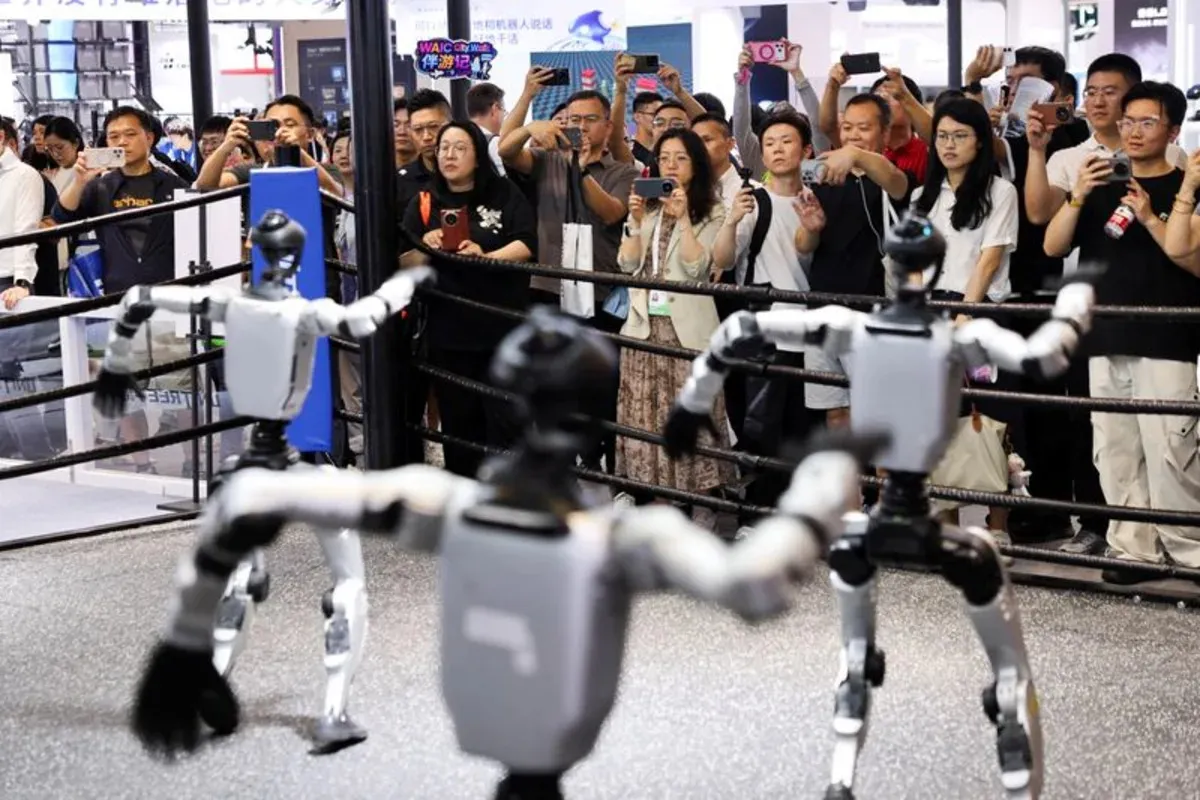
In a significant move for the burgeoning field of robotics and artificial intelligence, Chinese startup DeepSeek has invested a robust $20.8 million (140.8 million yuan) in Unitree, a maker of humanoid robots. This investment not only marks a financial commitment but also signifies a strategic partnership aimed at revolutionizing the capabilities of humanoid machines. Both companies, rooted in China's technological hub of Hangzhou, are set to collaborate on developing advanced AI models that can enhance the functionality and adaptability of robots in real-world scenarios.
The Landscape of Humanoid Robotics
The humanoid robotics sector is witnessing rapid advancements, driven by innovations from companies like Unitree, known in the industry as Yushu Technology. These robots are designed to perform tasks that mimic human actions, such as walking, running, and even dancing. However, the true challenge lies in enhancing the cognitive capabilities of these machines—developing a 'brain' that allows them to navigate unfamiliar environments and execute commands with precision. This is where DeepSeek's investment plays a crucial role.
Understanding the Investment
DeepSeek's investment has granted it a 2.31% stake in Unitree through the latter's recent initial public offering (IPO) in Shanghai. This strategic placement not only solidifies DeepSeek's position in the robotics sector but also establishes a framework for mutual benefit. The partnership will leverage DeepSeek's expertise in AI model development and Unitree's prowess in mechanical engineering and motion control. As stated in a recent stock-exchange filing, both companies have agreed to prioritize each other for procurement and technical solutions, forging a symbiotic relationship that could yield groundbreaking advancements.
Bridging the AI-Robotics Gap
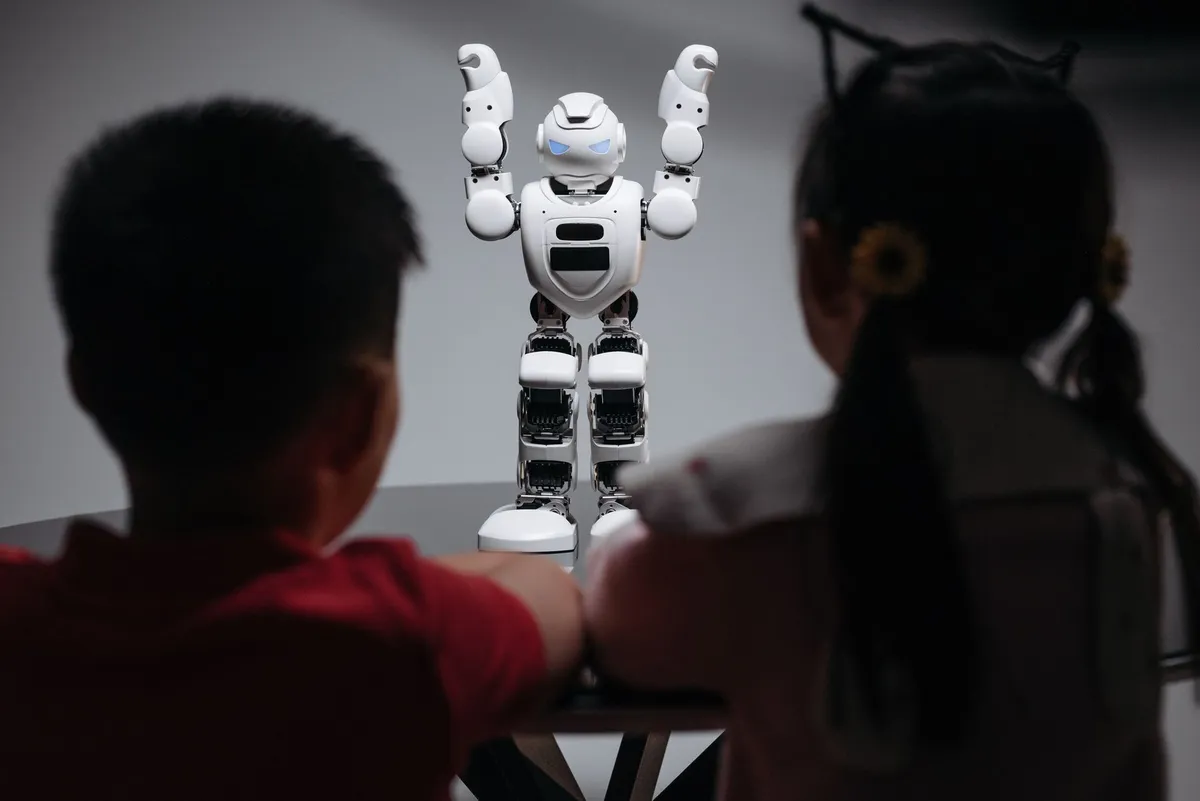
The collaboration aims to tackle a significant bottleneck faced by humanoid developers: the integration of AI models that can process and react to real-world stimuli efficiently. Current humanoid robots, while capable of performing impressive physical tasks, often lack the nuanced understanding required for autonomous operation in dynamic environments. To address this, both companies will focus on gathering extensive physical-world data that is critical for training AI models.
Data Collection and Training
Unitree has initiated data-collection facilities where human operators guide humanoid robots through various tasks, such as folding laundry or opening doors. This hands-on approach provides invaluable data that can be used to train AI systems, improving their ability to learn and adapt in real-time. The collaboration with DeepSeek is expected to enhance this process, as the AI models developed can be fine-tuned with the data collected from these practical applications, thereby accelerating the robots' learning curve.
DeepSeek's AI Capabilities
While DeepSeek has shown remarkable capabilities in coding, mathematics, and reasoning tests through its AI models, it has primarily focused on language-processing systems. The company's existing models, including its notable language model series, have not yet been fully adapted to handle multimodal inputs, such as integrating visual data alongside textual information. This is a crucial area for improvement, as effective humanoid robots must be able to interpret and respond to visual cues in addition to verbal commands.
Future Directions
DeepSeek has previously explored vision-language integration through research models like VL2, but these developments have not yet been incorporated into their primary commercial offerings. This partnership with Unitree could facilitate the necessary advancements by providing access to robots capable of generating the physical-world data needed to improve visual reasoning and processing. Such innovations could ultimately lead to more sophisticated humanoid robots that can perform complex tasks with greater efficiency and autonomy.
The Broader Implications for AI and Robotics
The partnership between DeepSeek and Unitree is not just a corporate alliance; it represents a significant stride toward overcoming the challenges faced by the robotics industry at large. As robots become increasingly integrated into everyday life, the demand for intelligent, adaptable machines will only escalate. This collaboration could pave the way for breakthroughs that address key industry challenges, including:
- Data Scarcity: Developing robots that can learn from rich, diverse experiences rather than relying solely on pre-programmed instructions.
- Autonomous Operation: Enhancing the ability of robots to function independently in various environments.
- Cost Efficiency: Reducing the costs associated with robot training and deployment through shared resources and expertise.
Key Takeaways
- DeepSeek has invested $20.8 million in Unitree, acquiring a 2.31% stake in the company.
- The partnership focuses on developing AI models that enhance the capabilities of humanoid robots.
- Data collection and training will play a pivotal role in bridging the gap between AI and robotics.
- DeepSeek aims to integrate visual processing capabilities into its AI systems to improve robot functionality.
Frequently Asked Questions
What is the significance of DeepSeek's investment in Unitree?
DeepSeek's investment signifies a strategic alliance that combines advanced AI capabilities with robotic engineering. This collaboration aims to address significant challenges in humanoid robotics, particularly the development of robots that can navigate and understand their environments effectively. By pooling resources and expertise, both companies hope to accelerate innovation in the field.
How will the partnership enhance humanoid robots' capabilities?
The partnership will allow for the creation of AI models specifically designed to improve the cognitive functions of humanoid robots. By integrating extensive physical-world data gathered through practical tasks, these models can be trained to respond to real-time stimuli, thus enhancing the robots' ability to perform complex actions autonomously.
What are the challenges currently faced in humanoid robotics?
Humanoid robotics faces several challenges, including the need for extensive training data to develop effective AI models, the integration of multimodal processing capabilities, and the ability to operate autonomously in dynamic environments. These hurdles can limit the deployment and effectiveness of humanoid robots in real-world applications.
What future developments can we expect from DeepSeek and Unitree?
As the partnership progresses, we can anticipate advancements in the development of sophisticated AI models that can handle multimodal inputs, such as visual and textual data. Additionally, the collaboration may lead to breakthroughs in training methodologies and data collection processes, ultimately resulting in more capable and versatile humanoid robots.

Comments
Challenges Ahead for Azenta: Navigating Life Science Funding Weakness
Azenta, Inc. faces a challenging outlook amid declining life science funding and operational setbacks. This article explores the broader market context and what this means for investors and stakeholders.

Related articles



Popular in Investing
- Navigating the Dismal Landscape of 2026's Worst-Performing ETFs
- Stablecoin Market Faces $10 Billion Decline — What It Means for Investors
- Avantus Secures $525 Million for Major California Solar Project
- Navigating the Pet Stocks Market: Opportunities Amidst Challenges
- Market Turmoil: How Geopolitical Tensions and Earnings Reports Impact Stocks