Nestlé's New Coffee Factory in Thailand: A Strategic Investment
Nestlé is investing $697.6 million to construct a new coffee production facility in Thailand, marking a significant shift in its operations after ending a joint venture. This move underscores the company's commitment to expanding its presence in the dynamic Southeast Asian coffee market.
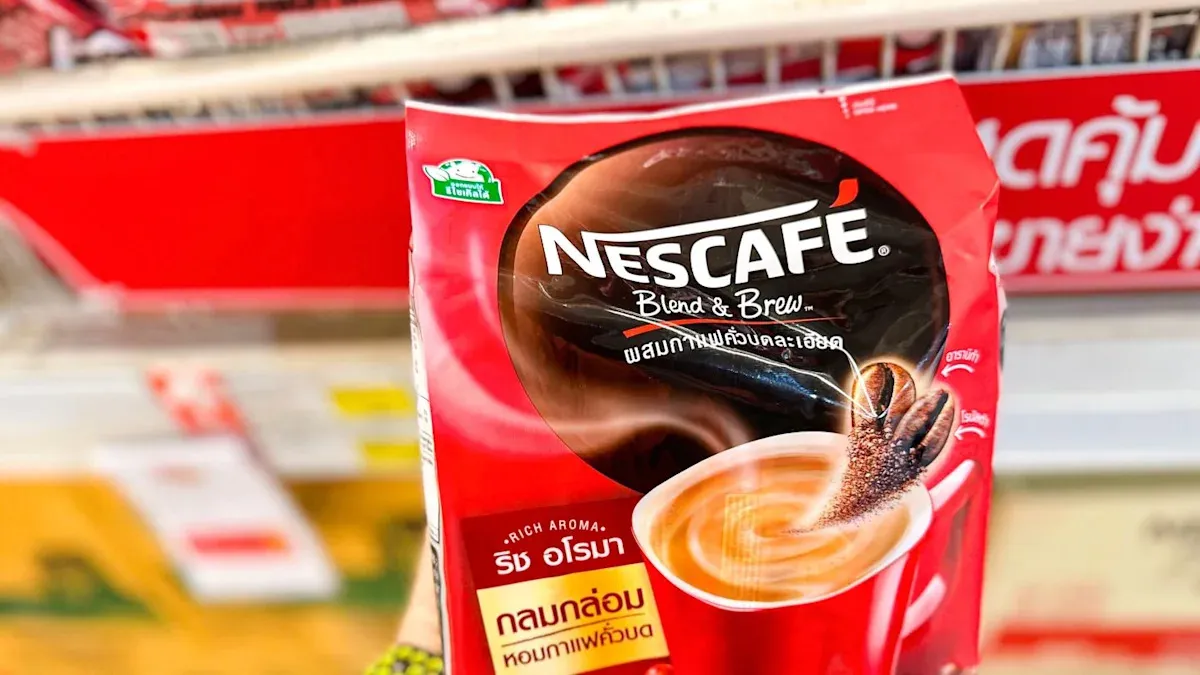
In a decisive move to bolster its foothold in the Southeast Asian coffee market, Nestlé has announced a substantial investment of SFr563 million (approximately $697.6 million) to construct a new coffee production facility in Thailand. This ambitious project comes on the heels of the termination of its long-standing joint venture with Quality Coffee Products (QCP), which has been a key player in manufacturing Nescafé products in the country since 1990. The dissolution of this partnership, finalized in December 2024, was not without its challenges, as it involved legal disputes that were ultimately resolved in favor of Nestlé earlier this year.
The new factory, set to be built in the Samut Prakan province, is projected to commence operations in the latter half of 2028. It will not only cater to the domestic market but also supply neighboring countries, enhancing Nestlé's position in a region that is witnessing a burgeoning coffee culture. The facility will produce a variety of Nescafé products, including soluble coffee, ready-to-drink options, and diverse coffee blends, and will feature cutting-edge technology and AI-enabled systems to optimize production efficiency.
Transitioning from Joint Ventures to Direct Operations
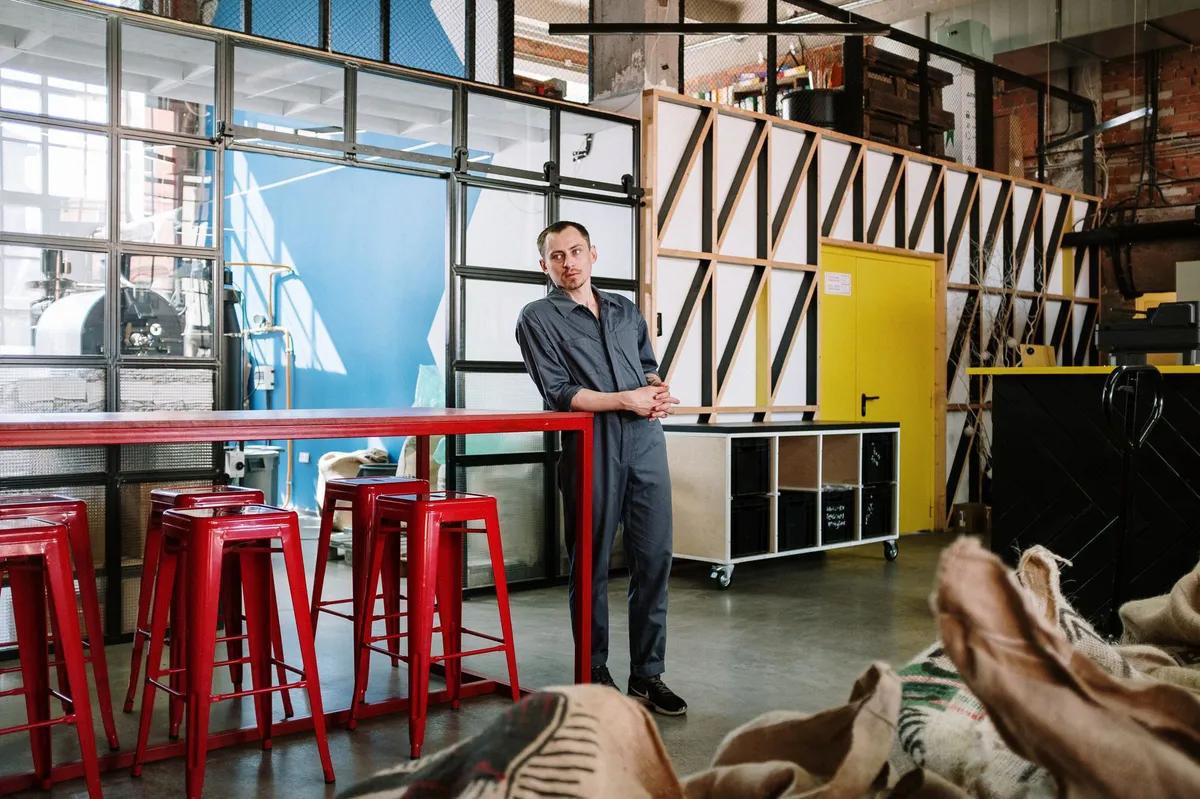
For over three decades, Nestlé relied on its partnership with QCP to produce its popular Nescafé brand in Thailand. However, as consumer preferences evolved and the competitive landscape shifted, Nestlé recognized the need to adapt its strategy. The end of the joint venture not only prompted a reevaluation of operational strategies but also highlighted Nestlé’s commitment to direct management of production processes. By investing in its own facility, Nestlé aims to maintain control over quality, streamline supply chains, and enhance its responsiveness to market demands.
Legal Challenges and Strategic Outcomes
The termination of the joint venture was marked by legal proceedings, which underscored the complexities involved in such business arrangements. The resolution of these disputes in favor of Nestlé allowed the company to pivot quickly and reestablish its production capacity in Thailand. Since the end of the partnership, Nestlé has been managing operations through a combination of outsourcing and temporary imports, a strategy that, while effective in the short term, could not support long-term growth objectives. The new factory represents a significant shift back to self-sufficiency in production.
Economic Impact and Job Creation
Nestlé's investment in the new factory is poised to create over 500 jobs, contributing to the local economy and supporting Thailand's broader employment landscape. The company's commitment to sourcing ingredients locally aligns with its corporate sustainability goals and the Thai government’s ambitions to promote a bio-circular green (BCG) economy. This initiative not only emphasizes environmental responsibility but also seeks to enhance local agricultural practices, potentially benefiting coffee farmers in the region.
Positioning for Growth in a Dynamic Market
With an estimated market value of around SFr1 billion, Thailand's coffee sector is rapidly evolving. Nestlé's executive vice president and CEO of Zone Asia, Oceania and Africa, Remy Ejel, noted that the new factory will significantly increase Nescafé's production capacity in Southeast Asia. This strategic investment is part of a broader trend within Nestlé, which has recently announced multiple investments in coffee production facilities across various countries, including expansions in Spain and Vietnam. Such moves highlight the company’s strategic focus on coffee as a primary growth driver within its portfolio.

Nestlé's Broader Coffee Strategy
The new coffee factory in Thailand is part of Nestlé's comprehensive strategy to enhance its coffee offerings globally. In its 2025 annual review, the company reported that soluble coffee and coffee systems accounted for 68.3% of sales in the powdered and liquid beverages segment, generating revenue of SFr17.17 billion. The growing consumer trend towards premium coffee experiences, coupled with the rise of coffee culture in Asia, has positioned Nestlé to capitalize on these developments.
Investments Across Regions
In addition to the Thai factory, Nestlé has made significant investments in coffee production facilities around the world. For instance, in March 2026, it allocated approximately €15 million ($15.7 million) to enhance its Girona factory in Spain, adding two packaging lines for Nescafé products. Similarly, in April of the same year, it invested VND1.9 trillion ($73 million) for the expansion of a production facility in Vietnam. These investments reflect Nestlé's commitment to innovation and meeting the evolving tastes of consumers.
Key Takeaways
- Nestlé is investing $697.6 million to build a new coffee production facility in Thailand.
- The factory will create over 500 jobs and enhance local sourcing.
- It marks a shift from a joint venture to direct control over coffee production.
- Thailand's coffee market is valued at about SFr1 billion, showcasing its growth potential.
- Nestlé is expanding its global coffee operations through multiple investments.
Frequently Asked Questions
Why did Nestlé end its joint venture with QCP?
The decision to end the joint venture with Quality Coffee Products stemmed from evolving market dynamics and a strategic shift that Nestlé deemed necessary to maintain competitive advantage. The legal disputes that followed the termination underscored the complexities of managing partnerships in a rapidly changing industry. Ultimately, the resolution favored Nestlé, allowing the company to pivot towards direct control of its coffee production.
What will the new factory produce?
The new coffee production facility in Thailand will manufacture a diverse range of Nescafé products, including soluble coffees, ready-to-drink coffee options, and various coffee blends. This broad product offering is designed to meet the growing consumer demand for diverse coffee experiences while positioning Nestlé to capitalize on the dynamic coffee market in Southeast Asia.
How will this investment impact local communities?
Nestlé's investment is expected to have a positive impact on local communities by creating over 500 jobs and enhancing local sourcing of coffee beans. By integrating local agricultural practices and supporting farmers, Nestlé aims to contribute to the local economy and promote sustainable practices aligned with the Thai government's bio-circular green economy initiatives. This approach not only benefits the company but also fosters community growth and development.
What does this mean for the future of coffee production in Thailand?
The establishment of Nestlé's new factory signifies a robust commitment to the future of coffee production in Thailand. With an estimated market value of SFr1 billion, the Thai coffee sector is poised for growth, and Nestlé's direct investment places it in a strong position to lead this market. The integration of advanced technology and a focus on sustainability will likely set new standards for production efficiency and quality in the region.
Disclaimer: This content is educational, not financial advice.
Comments
Michael Burry's Strategic Bet Against Prediction Markets
Investor Michael Burry is betting against prediction markets, foreseeing regulatory crackdowns that could benefit established sportsbooks like DraftKings and Flutter Entertainment. This article explores the implications of his strategy and the future landscape of betting in the U.S.

Related articles






Popular in Investing
- Navigating the Dismal Landscape of 2026's Worst-Performing ETFs
- Navigating the Turbulent Waters of Energy Markets: A Deep Dive
- Stablecoin Market Faces $10 Billion Decline — What It Means for Investors
- Cotton Futures Surge Despite Increased Production Forecasts
- Avantus Secures $525 Million for Major California Solar Project