Exploring SpaceX's Ambitious Terafab Chip Manufacturing Facility
SpaceX is embarking on a monumental venture with its Terafab chip manufacturing facility, aiming to reshape the semiconductor landscape. This article delves into the implications, challenges, and potential impact of this ambitious project.
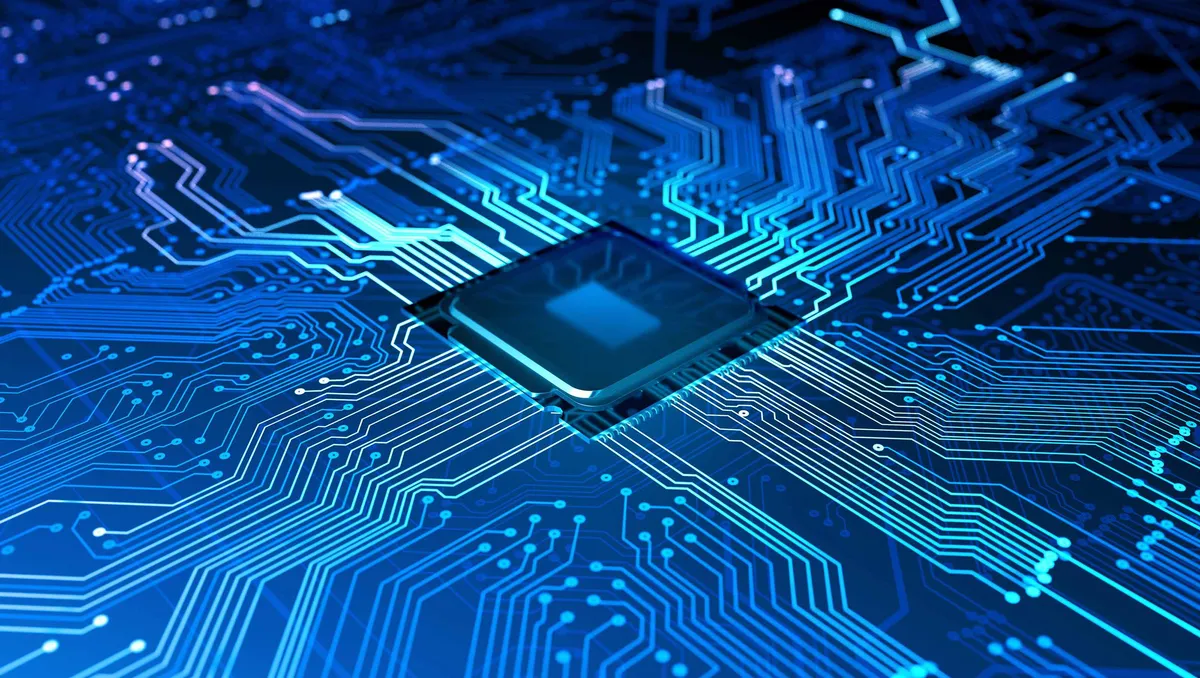
In a bold move that could redefine the semiconductor industry, SpaceX is investing nearly $17 billion to establish Terafab, touted as the largest chip manufacturing facility in the world. This ambitious venture, spanning 100 million square feet, aims to meet the skyrocketing demand for semiconductors driven by innovations in driverless cars, artificial intelligence, and space exploration. As the world increasingly relies on advanced chips for various technologies, the question arises: can SpaceX, traditionally rooted in aerospace, successfully navigate the complexities of semiconductor manufacturing?
The implications of this project extend far beyond the walls of the planned factory in Grimes, Texas. With a focus on producing chips for its own internal needs, SpaceX's entry into the chip market could disrupt existing supply chains, challenge industry giants, and even influence stock prices across the technology sector. As we delve deeper into this transformative initiative, we'll explore key questions surrounding its viability, potential industry impacts, and the broader consequences for the semiconductor landscape.
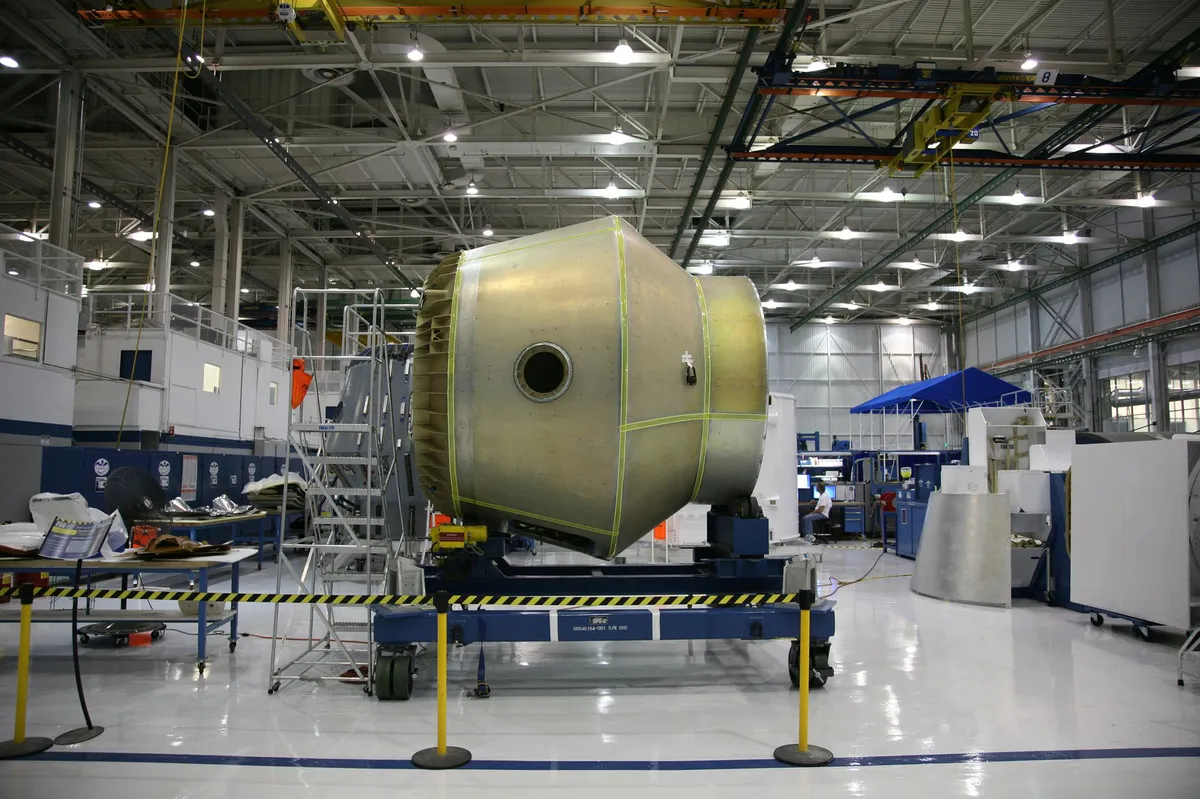
SpaceX's Vision for Terafab
Elon Musk's vision for Terafab is ambitious, to say the least. The facility is designed to produce advanced logic and memory chips essential for SpaceX's operations and its sister company, Tesla. Musk envisions a future where the demand for chips exceeds current global supply, necessitating a self-sufficient production model that does not rely on traditional suppliers like Taiwan Semiconductor Manufacturing Co. (TSMC) or Intel.
The Scale of Investment
SpaceX's initial investment of $17 billion is just the beginning. The company anticipates that total spending on Terafab could reach tens of billions more as the project progresses. This financial commitment underscores the seriousness of SpaceX’s ambitions and the scale of the operation it intends to build. By aiming to manufacture, package, and test chips in one location, SpaceX hopes to streamline operations and accelerate the development of new chip technologies.
Challenges in Semiconductor Manufacturing
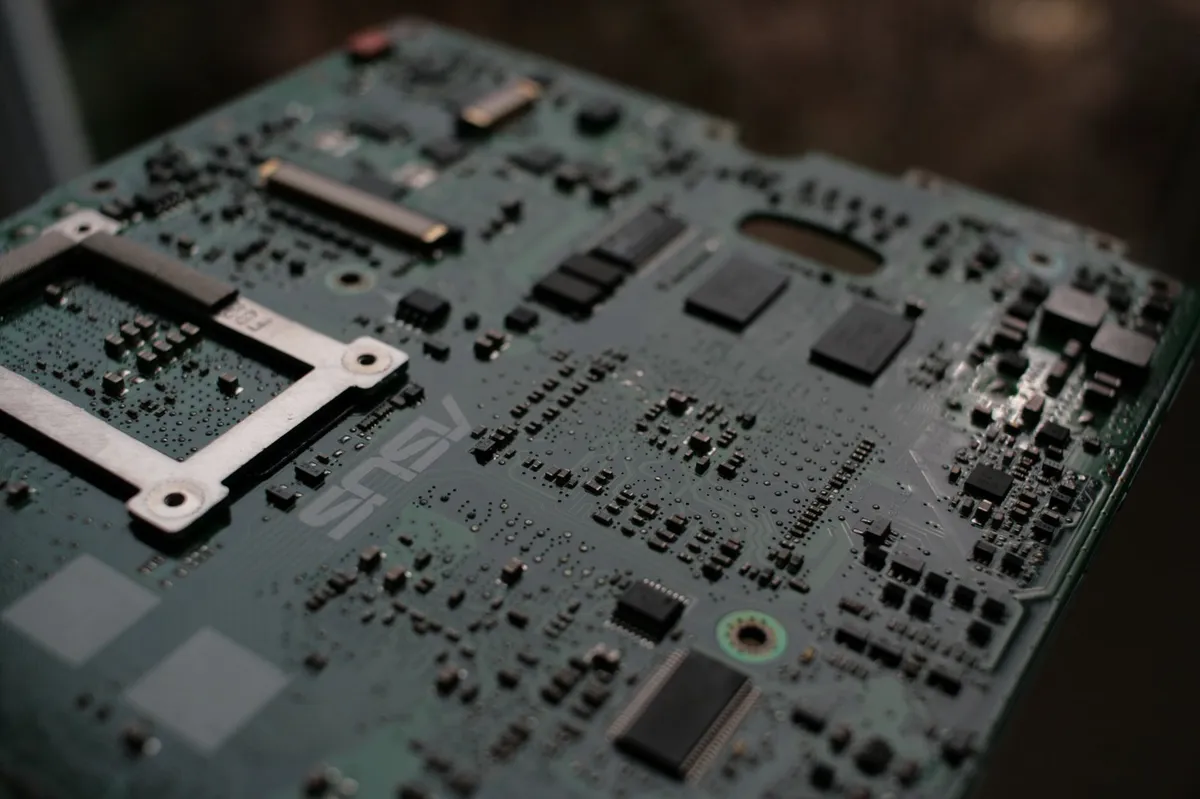
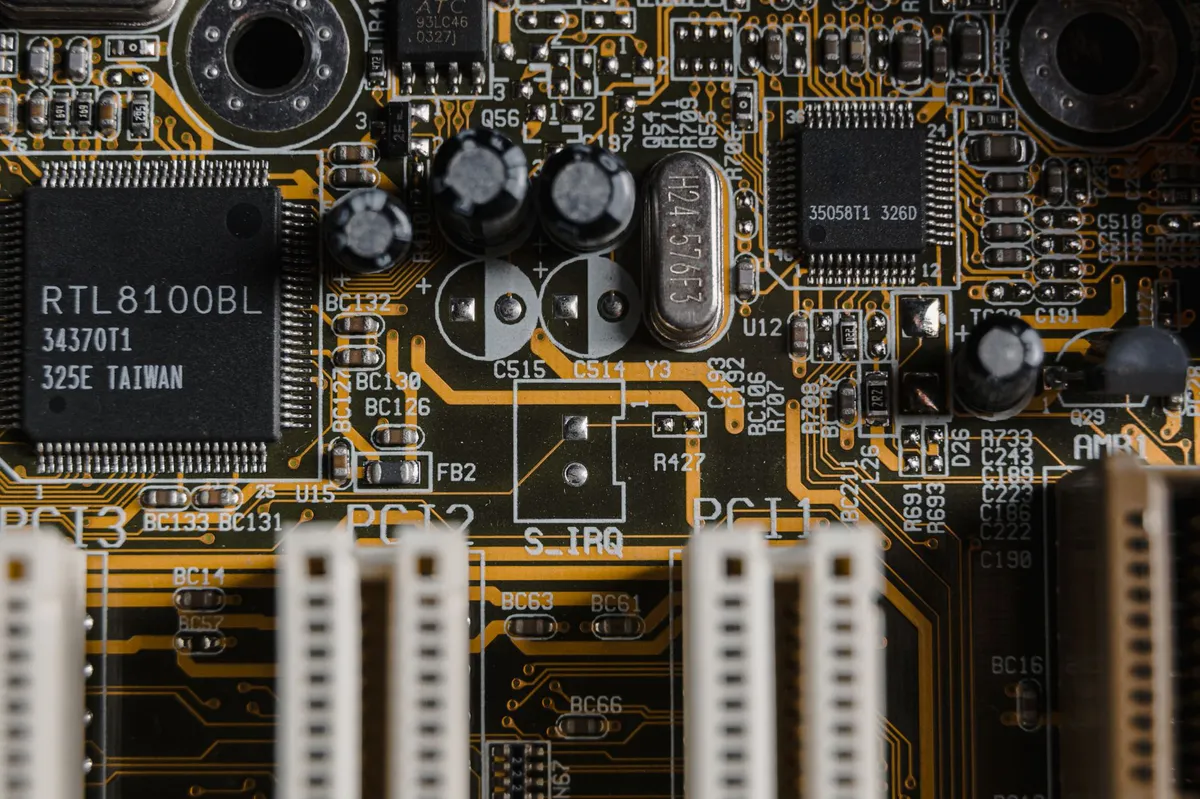
While Musk's enthusiasm is palpable, the semiconductor industry is notoriously difficult to penetrate. Manufacturing chips is a complex process that pushes the boundaries of physics, chemistry, and engineering. Creating a cleanroom environment—up to 1,000 times cleaner than a hospital operating room—is just one of the many challenges Terafab will face. Additionally, the lithography machines used to print chip patterns on silicon wafers cost hundreds of millions of dollars, and the entire operation relies on a global ecosystem of thousands of suppliers.
The Stakes of Innovation
SpaceX's ambition to innovate within chip manufacturing brings both potential rewards and significant risks. The company plans to utilize cutting-edge technologies and explore unconventional processes that current manufacturers deem too risky or conservative. This approach could lead to breakthroughs in chip design and production efficiency, but the stakes are high. A misstep in such a complex manufacturing environment could lead to financial losses and delays in production.
Impact on the Semiconductor Ecosystem
The establishment of Terafab may have far-reaching consequences for the semiconductor landscape. By becoming a significant player in chip manufacturing, SpaceX will not only compete with established giants like TSMC, Intel, and Samsung but also reshape the supply dynamics in the industry.
Talent Acquisition and Workforce Challenges
As Terafab begins to take shape, SpaceX will likely seek to attract top talent from other semiconductor companies. The U.S. chip sector is already grappling with a workforce shortage, making it imperative for companies to secure skilled labor. This talent poaching could create a ripple effect, affecting the operations of existing chip manufacturers as they compete for a limited pool of skilled workers.
- Key Concerns for the Industry Include:
- Potential disruption of existing supply chains.
- Increased competition for talent in a labor-constrained environment.
- Shifts in market dynamics as SpaceX ramps up production.
Investor Reactions and Market Implications
SpaceX's entry into semiconductor manufacturing is already causing ripples in the stock market. Investors are closely monitoring the potential impact of Terafab on established chipmakers. The mere announcement of milestones in the project could lead to stock fluctuations as analysts assess the competitive threat posed by SpaceX.
A Double-Edged Sword for Chip Stocks
While some investors may view SpaceX as a formidable competitor, others may see opportunities for collaboration. For instance, Intel's partnership with SpaceX to provide manufacturing expertise could become a double-edged sword if SpaceX's ambitions threaten Intel's market share. The semiconductor industry is also facing the looming challenge of a potential chip glut as supply struggles to keep pace with demand.
The Long View: SpaceX and Nvidia
As SpaceX moves forward with its plans, questions abound regarding its relationship with Nvidia. Currently, SpaceX relies heavily on Nvidia's AI chips for its orbital data centers. However, as Terafab begins to operationalize, SpaceX could challenge Nvidia's dominance in the chip market in the long term. Musk has indicated that while Terafab's primary goal is to bolster SpaceX's internal chip capabilities, the long-term vision includes potentially competing with established players like Nvidia.
Strategic Partnerships and Future Directions
SpaceX's approach to chip manufacturing will likely involve a blend of in-house production and partnerships with third-party suppliers. The evolving landscape of AI and data processing requirements may necessitate a flexible strategy that incorporates both self-manufactured chips and external sourcing. This dual approach could enable SpaceX to navigate the complexities of the semiconductor market while addressing its unique needs.
Key Takeaways
- SpaceX's Terafab aims to revolutionize semiconductor manufacturing while addressing chip shortages.
- The project faces significant challenges, including high costs and technical complexities.
- Terafab's impact on the semiconductor ecosystem could disrupt existing supply chains and workforce dynamics.
- Investors are closely watching SpaceX's competitive threat to established chipmakers.
- Future collaborations and competition with Nvidia could shape the AI chip landscape.
Frequently Asked Questions
What is Terafab and why is it significant?
Terafab is SpaceX's ambitious project to build the largest semiconductor manufacturing facility in the world. It aims to produce advanced chips necessary for SpaceX's operations and meet the growing global demand for semiconductors. Its significance lies in its potential to alter the semiconductor landscape by reducing reliance on traditional suppliers and addressing supply chain challenges.
What challenges does SpaceX face in semiconductor manufacturing?
SpaceX faces numerous challenges in establishing Terafab, including the high costs of equipment, the complexity of manufacturing processes, and the need for precision in cleanroom environments. Additionally, the semiconductor industry is highly competitive, with established players having significant market share and technological expertise. Navigating these challenges will be crucial for the success of Terafab.
How could Terafab affect the stock market?
The establishment of Terafab could have significant implications for the stock market, particularly for existing chipmakers. Investors may react to milestones in the project, leading to fluctuations in stock prices. The competitive threat posed by SpaceX could prompt established companies to reevaluate their strategies, impacting market dynamics and investor sentiment.
What is the long-term vision for SpaceX's chip production?
SpaceX's long-term vision for chip production includes not only meeting its internal needs but potentially competing in the broader semiconductor market. While it currently relies on suppliers like Nvidia for AI chips, the goal is to develop in-house capabilities that could challenge established players in the industry. This strategic direction could reshape the competitive landscape in the semiconductor sector.
Disclaimer: The content is educational, not financial advice.
Comments
Navigating the Stock Market: How Rising Yields Impact Investors
As Treasury yields rise and geopolitical tensions linger, investors face a complex market landscape. This article explores the implications of shifting interest rates, solid earnings growth, and sector performance, providing insights for savvy investors.

Related articles

Popular in Investing
- Navigating the Dismal Landscape of 2026's Worst-Performing ETFs
- Stablecoin Market Faces $10 Billion Decline — What It Means for Investors
- Cotton Futures Surge Despite Increased Production Forecasts
- Avantus Secures $525 Million for Major California Solar Project
- Navigating the Pet Stocks Market: Opportunities Amidst Challenges